The Hill Country is experiencing an alarming prevalence of oak wilt which is a devastating tree disease caused by the fungus Bretziella fagacearum. This disease has raised concerns among environmentalists, landowners and tree enthusiasts in Texas. Particularly prominent in Central Texas, this infectious disease has been responsible for widespread oak tree mortality. We need to address this critical issue and acquire a comprehensive understanding of oak wilt and its management strategies which have become essential in this fight against a fungus.
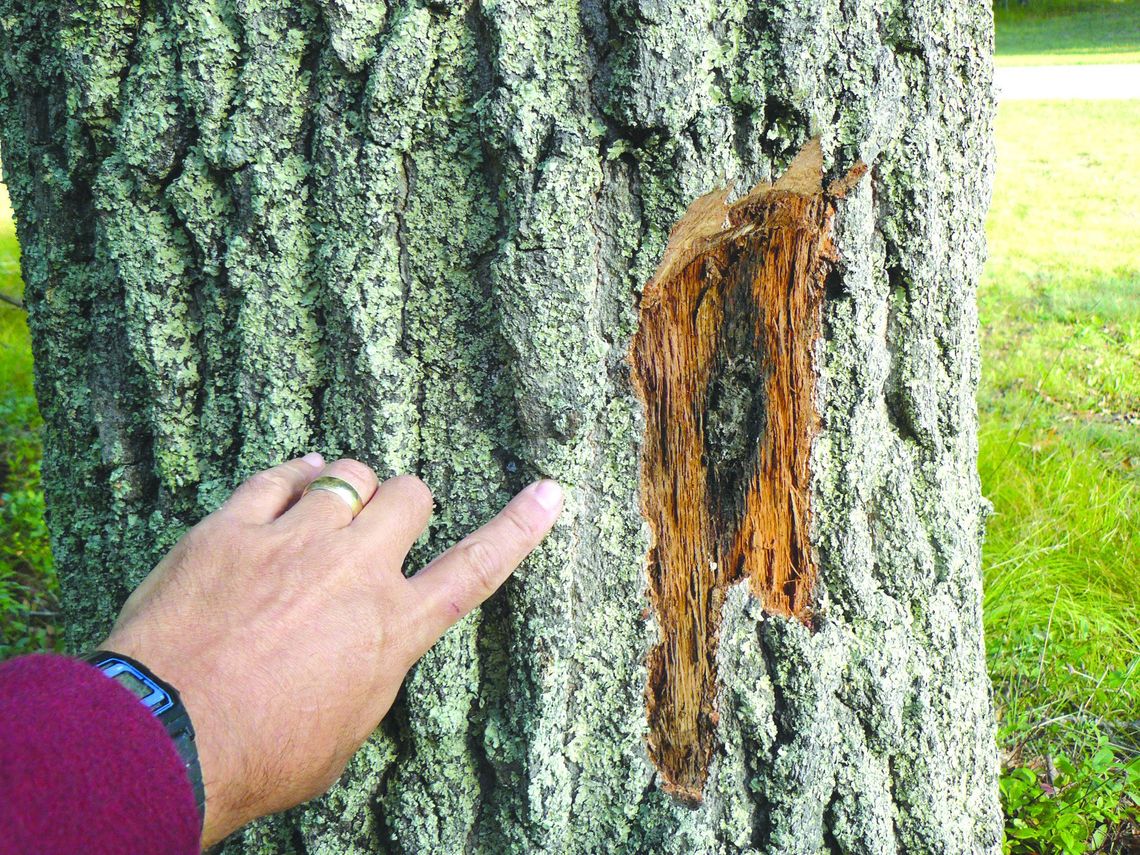
Oak wilt primarily spreads through root grafts below ground and is facilitated by sap-feeding beetles above ground, posing a significant threat to various oak species. Red oaks face rapid mortality within weeks of displaying symptoms, while live oaks, although more resilient, can succumb over several months. White oaks are more resistant but not immune to oak wilt. Common indicators of oak wilt are fungal mats in the trunk and browning of the leaves.
Recognizing the urgency of managing oak wilt, experts recommend several key practices to curb its spread. Infected red oaks should be promptly removed and disposed of to prevent the transmission of spores, particularly from fungal mats that may form on the trees. It is crucial to avoid any form of oak wounds, including pruning, between Feb. 1 and June 30 and to treat all wounds immediately with a latex paint to minimize exposure to contaminated insect vectors. Trees other than oaks may be pruned at any time, and it is not necessary to paint the wounds.
If you have confirmed oak wilt, one strategy to addressing the spread is through root grafts which involves the installation of a trench at least four feet deep and extending 100 feet beyond the infection centers. All trees within this 100-foot barrier, excluding those injected with fungicide, should be removed to contain the disease. For high-value oak trees, fungicide injections, especially with propiconazole (Alamo), have proven effective as both preventive and therapeutic measures. However, these injections should only be administered by trained applicators.
Early detection remains crucial for successful oak wilt management. Foliar symptoms, patterns of tree mortality and the presence of fungal mats can serve as indicators, but laboratory isolation of the fungus is recommended for confirmation. In cases of uncertainty, consultation with a trained expert is strongly advised.
The battle against oak wilt requires a multi-faceted approach. Awareness of the disease’s dynamics, recognition of key indicators, and the implementation of preventive measures are vital for preserving the health of oak trees and the ecosystems they inhabit.
For more information on oak tree care visit texasoakwilt.org.