Exploring Nature: Machu P
icchu
With the recent cold weather, I have pulled down a warm sweater from a closet shelf. It’s one I purchased in Peru from a smiling lady on the streets of Cusco. It cost fifteen dollars and is made from soft, soft alpaca wool. Peru is home to some 80% of the world’s estimated four million alpacas.
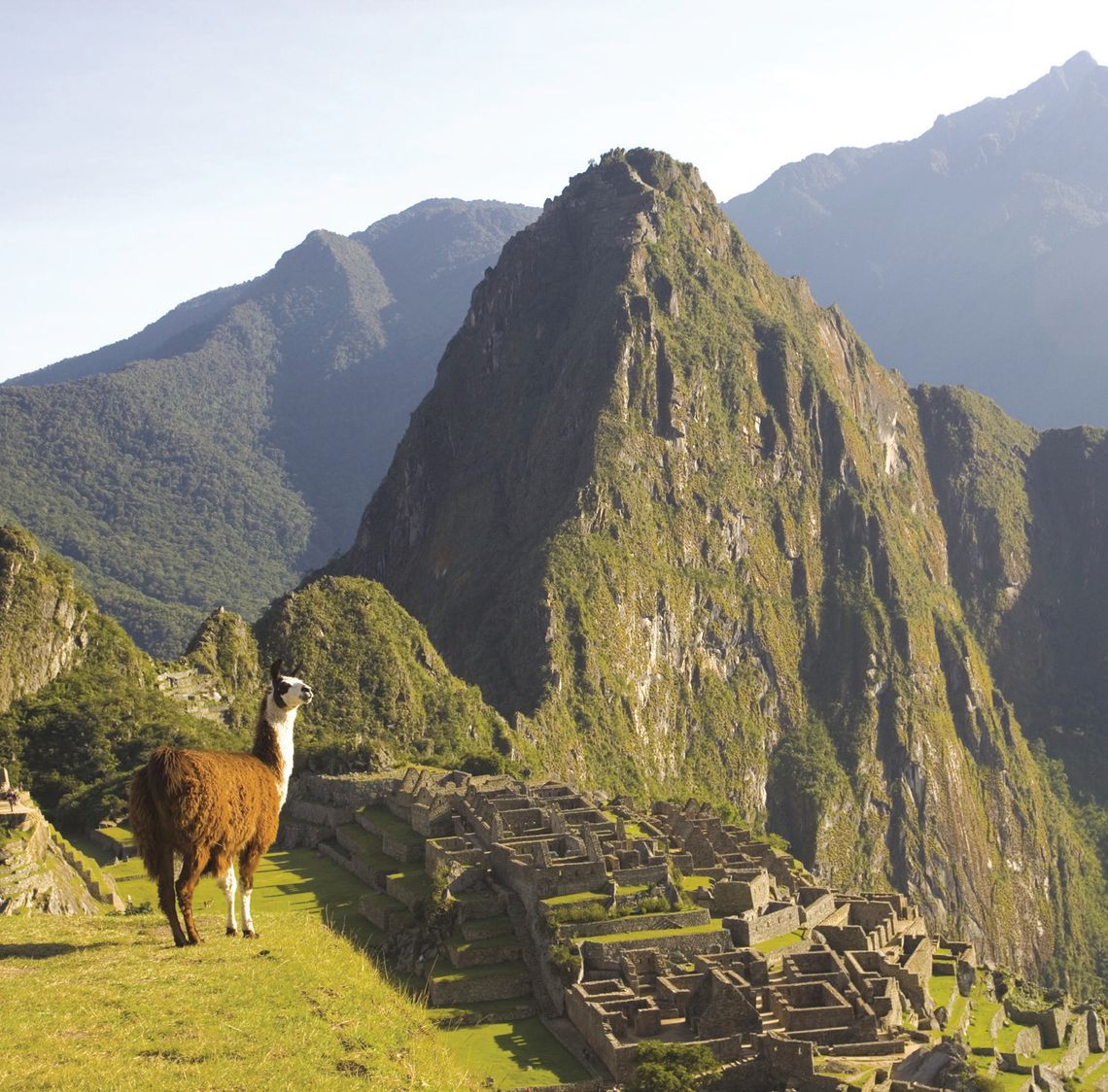
Besides the ultra-warm sweater, I recall that trip for a most adventuresome visit to the Inca ruins of Machu Picchu.
Our bus climbed along narrow mountain roads and the driver honked on the hairpin curves to alert any oncoming traffic. I looked out the window and could see a tiny ribbon of a river winding in the canyon below. Later, at 13,000 feet altitude, we strolled around the massive stone ruins of a once-proud city built for an Inca king. I was impressed that none of the stonework involved mortar, but still all the stones fit with precise exactitude.
Why in the world they left the pleasant flat lands below and chose to build high upon a mountain, I’m not quite sure. They may have liked the cold, clear water that flowed from springs at that level; perhaps they thought it would be easy to defend. Or maybe they just enjoyed the scenic view, like all us flat-land tourists.
At any rate, if you have but one site to visit in South America, Machu Picchu would rate as one of the best. Just getting there, riding alongside the Urubamba River, whose name sounds like a drumbeat, is a thrilling adventure.
Voted one of the new seven wonders of the world, Machu Picchu reminds you that mankind is capable of amazing feats of construction. Be it pyramids in Egypt or the massive stone buildings and fountains of Machu Picchu, such handiwork never ceases to amaze and awe.
Machu Picchu — a site well worth the hassle of getting there!