CALABOOSE AFRICAN AMERICAN HISTORY MUSEUM
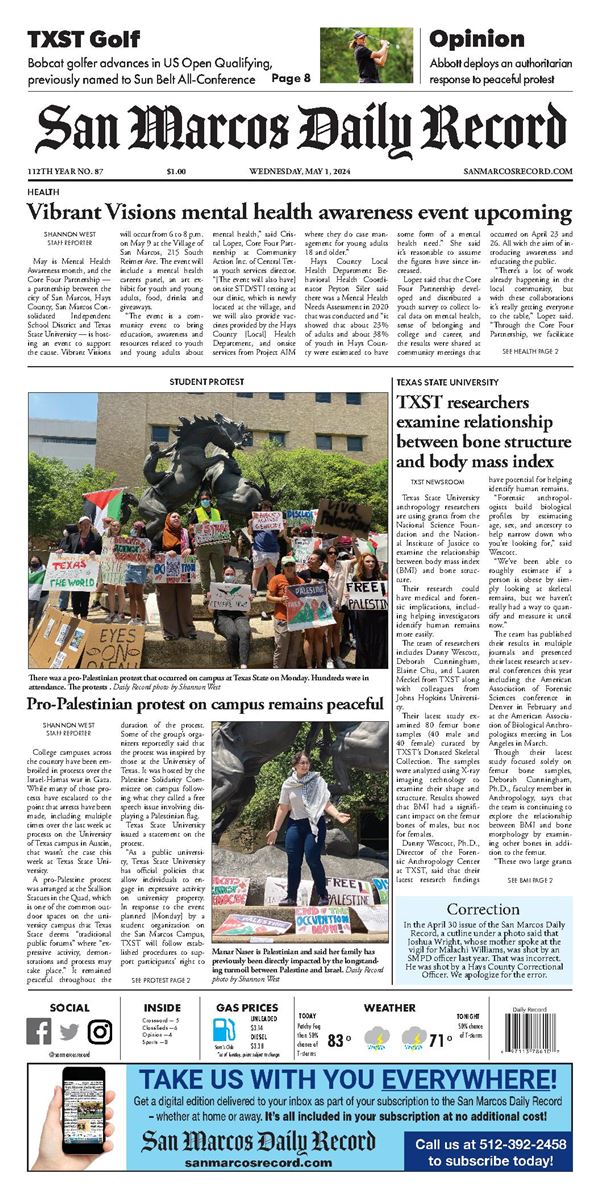
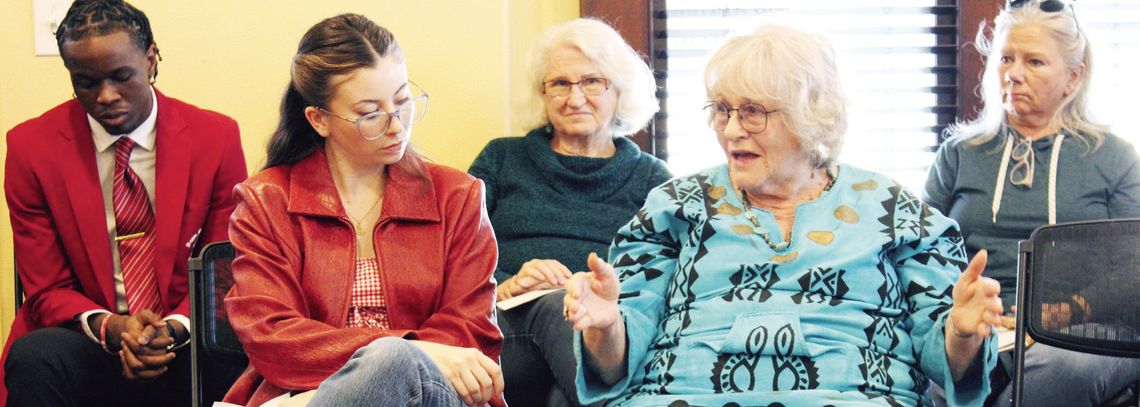
The Calaboose African American History Museum is doing its part to educate the community all throughout Black History Month. All of the events are free and will take place at the historic Cephas House, which is across the street from the museum and located at 217 Martin Luther King Drive. The first event was a roundtable discussion, which was facilitated by Texas State University African American Studies Program director Dwonna Goldstone, PhD. Much of the discussion revolved around the removal of Diversity, Equity and Inclusion programs and governmental policies that rose from the Civil Rights movement.
Goldstone initiated the conversation by playing a recording by Professor Kimberle Crenshaw.
“What we know now is what they are coming after is not one form of thinking — it’s not Black history, it’s not intersectionality, it’s not critical race theory; They’re coming after the entire infrastructure that has been created from the civil rights movement,” Crenshaw said. “We know we have to fight collaboratively. We have to fight collectively. We have to fight creatively, but we also have to fight with the idea that we refuse to allow any of what we have created to be lost.”
Diana Garcia is a second grade teacher who has always taught her kids from a multicultural perspective, ensuring that they know that it is alright to disagree with someone but civility is crucial.
“At first, of course, I was shocked and full of rage of what has happened, but it’s always been there. From the beginning, this nation was based on violence, killing indigenous people, slavery [and] exploiting others for capital. It has always been a horrible place,” Garcia said, adding that as a “Chicana,” she has dealt with oppression as well. “It was never great to me to begin with, even though it has the promise of such beauty and the promise of democracy to fulfill one day. … We’re still trying to get there. And maybe people forgot … the fight is never over.”
Goldstone agreed and added that there was an outcry when George Floyd was killed by police.
“Black people are like, ‘We’ve been saying we’ve been harmed and murdered by the police for years,’” Goldstone said. “I think the difference is that now the white people can see what we’ve been seeing all along.”
Pastor Paul Buntyn emphasized the importance of education and community discussions as an impetus for change because “dialogue makes the picture clearer.” He also said it is important for sacrifices to be made in the name of what is right.
“Every human deserves to be treated like a human. I don’t back down,” Buntyn said. “If I see another group that’s causing harm to people, I’m going to talk about it. I’m going to point it out, and I don’t stop because it’s wrong.”
Brent Salone said meetings like the one at the Calaboose are a good starting point.
“This is a place of collaboration. This is a place of empowerment,” Salone said. “If you want to start some place, join us, because we not only look back, we look forward. If you come to join us, at least you’ll have a home, you’ll have a place of comfort, of support, but you’ll also be able to talk to people openly and truly about what’s going on. And I will stand behind you, and if I’m behind you, no one will hurt you.”
Jo Ann Carson, TXST Philosophy senior lecturer, said it is important to remember that throughout history, there have been bad times, but people can always fight back.
“I think we need to try to maintain a little bit of perspective in that things have been bad before. I mean, in San Marcos, we had the Ku Klux Klan burning down buildings and people being lynched. So let’s not lose sight of the fact that even though things are bad, they’ve been bad before,” Carson said. “[Change] starts at the local level. … It has to be grassroots. So find a spot, find something that you can do. And if things become illegal, that should not be illegal, there’s this concept of civil resistance [and] disobedience that goes back to Martin Luther King [Jr.].”
The Calaboose has many more lectures planned for this month. The rest of the schedule is as follows:
• Saturday, Feb. 8 from 10 a.m. to 2 p.m. — National African American Read-in: Facilitated by Diana Garcia
• Saturday, Feb. 15 from 11 a.m. to 12 p.m. — Oyster Creek Community: A San Marcos Freedmen Colony by Bobbie Shaw
• Saturday, Feb. 15 from 1 to 3 p.m. — History of the Mitchell Center on its 30th Anniversary by Kyev Tatum
• Thursday, Feb. 20 from 6:30 to 7:30 p.m. — Food Power Politics: The Food Story of the Mississippi Civil Rights Movement by Professor Bobby Smith II
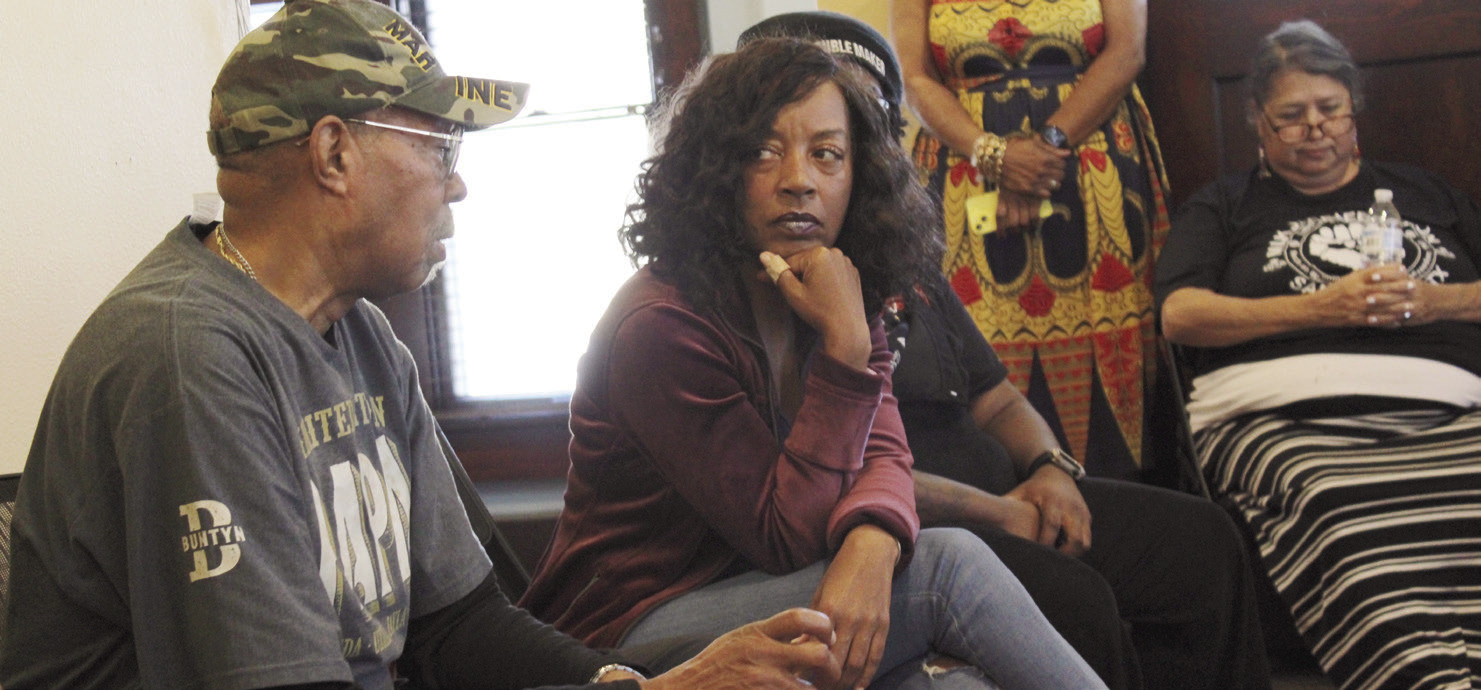
Above, Pastor Paul Buntyn and Dwonna Goldstone engaged in a conversation about fighting back against the removal of civil rights and DEI programs. Daily Record photo by Shannon West
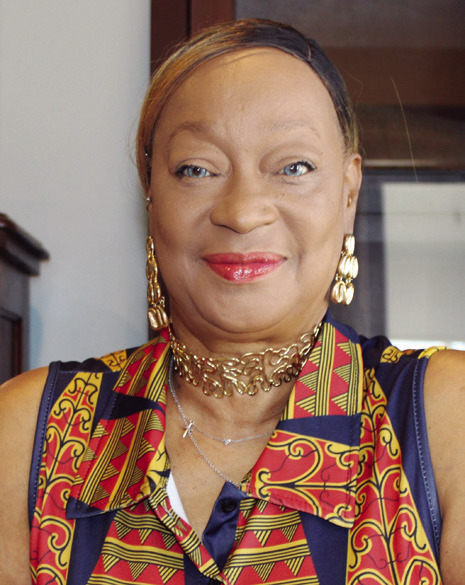
Jo Ann Parsons Calaboose African American History Museum board president