Exploring Nature: Birds & F
ire
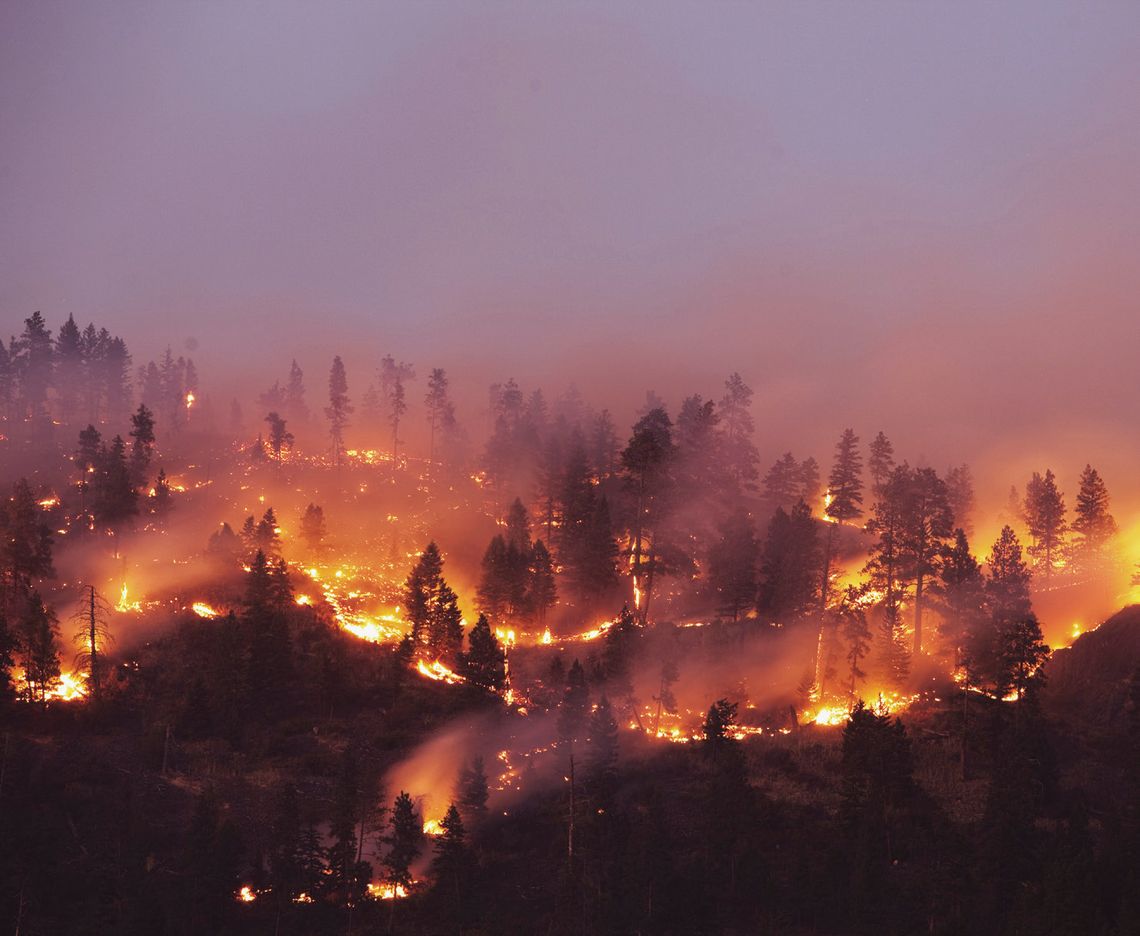
California forest fires have been much in the news recently and fires in Canada have also been destructive.
What has been the effect of these fires on birds?
Well, the short answer is that some birds, especially ground-nesting baby birds, have been burned alive. On a broad scale, many birds will suffer long-term consequences from inhaling smoke.
Unlike humans, who breathe one volume of air in and out, birds do so not once, but twice to process one volume of air. The average respiratory rate for humans is 12 to 20 breaths a minute. Small birds will average 30 to 60 breaths in a minute. A resting hummingbird takes in about 250 breaths in a minute.
It’s obvious birds can move an incredible amount of air in and out of their bodies each minute. And wildfire smoke is very harmful to birds because it contains thousands of chemicals, including nitrogen oxides and chlorinated dioxins. In addition, it can eventually lead to death, sometimes hours, weeks or months later.
There are some positive effects for birds from forest fires. Heat causes certain pine cones to release their seeds and allows new trees to grow. Also, blackbacked woodpeckers benefit since they eat the larvae of beetles that lay eggs in the newly-burned and blackened trees. Other birds known to benefit from burned habitats include Canada jays and western wood pewees.
So here’s hoping birds continue to find ways to co-exist with forest fires. With global warming, such fires may grow more frequent and severe as the years go by.