Exploring Nature: In Defense of Poison
Ivy
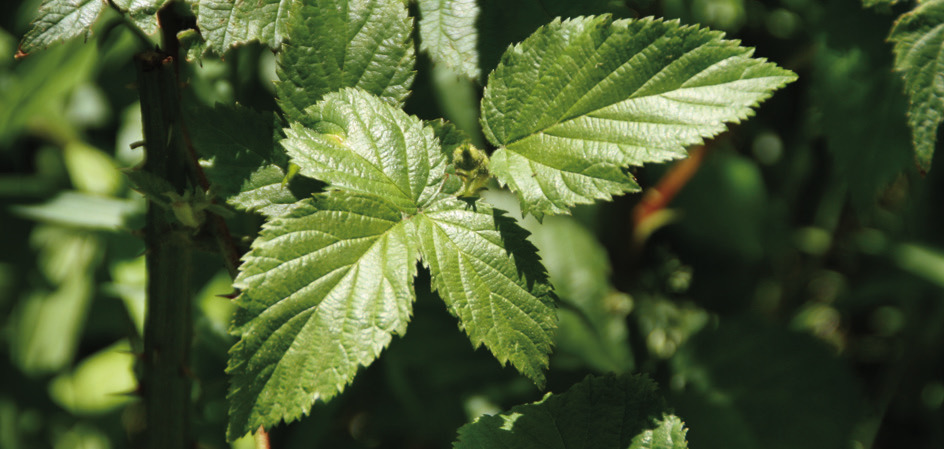
Poison ivy has a bad reputation for causing severe blistering of the skin and creating quite an itch.
There’s even a little jingle to help folks avoid this persnickety plant: “Leaves of three, let it be. Berries white, take flight.” That’s a short summation meant to help people avoid the ravages of poison ivy.
But birds take a different view entirely. They consider this fruit an avian delicacy and absolutely love those nutrient-rich white berries.
Poison ivy is a member of the cashew family, and is closely related to plants that produce both cashews and pistachios. These two seeds generate about sixteen billion dollars a year in global sales.
While humans eat cashews, birds eat poison ivy berries, and by so doing, they help poison ivy to spread with new plants sprouting up where birds excrete the seeds.
Poison ivy has close relatives, poison oak and poison sumac that also cause skin blistering. The culprit in all of these is a compound called urushiol, which causes severe blistering dermatitis.
White berries call out to birds and are especially prized as winter food by yellow-rumped warblers, ruby-crowned kinglets and various sparrows. Pileated woodpeckers, downy woodpeckers and northern flickers like the berries. Also, ruby-crowned kinglets, American robins and cedar waxwings.
So let’s face it, poison ivy can be a problem if you encounter it up close and personal, but as a keystone plant species, it supports the well being of lots of birds.
I don’t recommend planting it, but if you have some on your property and it’s not bothering anything, leave it alone and let the birds be happy.