Exploring Nature: W
oodpeckers
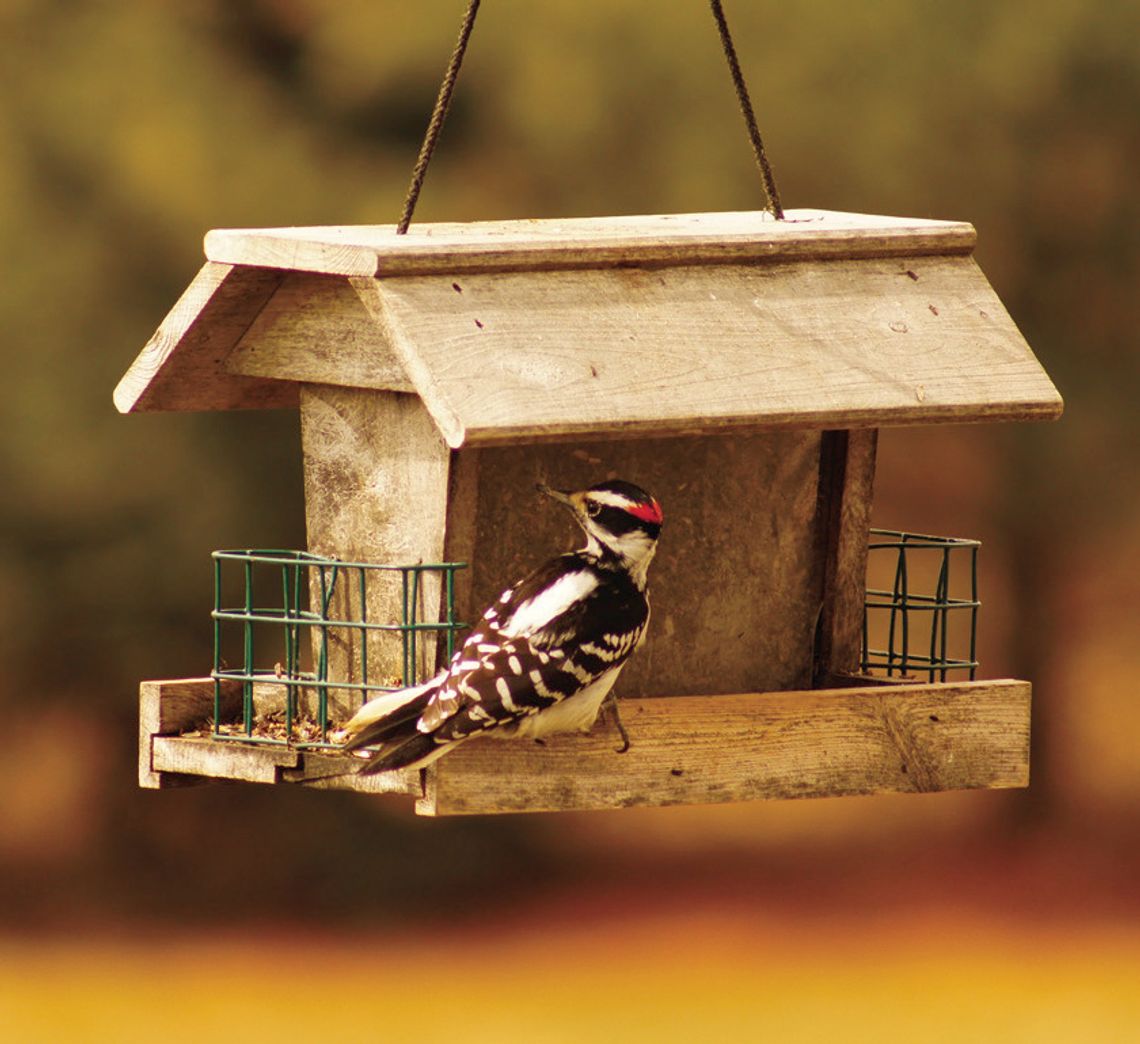
I recently spotted a golden-fronted woodpecker at my backyard seed feeder. This large, zebra- backed bird is not at all fussy about what it eats — devouring seeds, suet, fruit, insects and even sugar-water intended for hummingbirds.
About 10 inches long, this woodpecker ranges from extreme southwestern Oklahoma all the way down to Nicaragua. Most of the U.S. population resides in Texas.
Woodpeckers provide a valuable service to other birds and animals. They drill holes.
One of the most proficient of these hole drillers is the northern flicker. A most abundant bird, there are an estimated 12 million flickers across Canada, the U.S. and Mexico. Flickers are one species that drills holes large enough to provide shelter for other birds and even some small animals.
Red-cockaded woodpeckers are especially adept at drilling out tree cavities in the long-leaf pine forests found from Virginia to Texas.
It is much easier to drill into rotted or dead wood and much harder to drill into healthy, live trees. But red-cockaded woodpeckers are champs at drilling and can penetrate hard wood that would thwart other woodpeckers.
Finally, let us examine why woodpeckers are such excellent excavators. First, their bill is built for drilling, being long, straight and flattened into a chisel-like shape. The tip of the bill is constantly wearing away and re-growing. Second, woodpeckers have adjustable toes that help them cling to the side of a tree and also a very stiff tail with stout feathers, allowing the bird to be stabilized when it rears back to deliver a strike with its bill.
All hail the wondrous woodpecker, one bird that thrills as it drills.