Exploring Nature: Mighty O
aks
If you want to make a lasting contribution to wildlife in your area, consider planting an acorn.
Sure enough, mighty oaks do sprout from the smallest acorn and mature oaks will nurture all sorts of creatures, including caterpillars which become butterflies and bees that pollinate other plants.
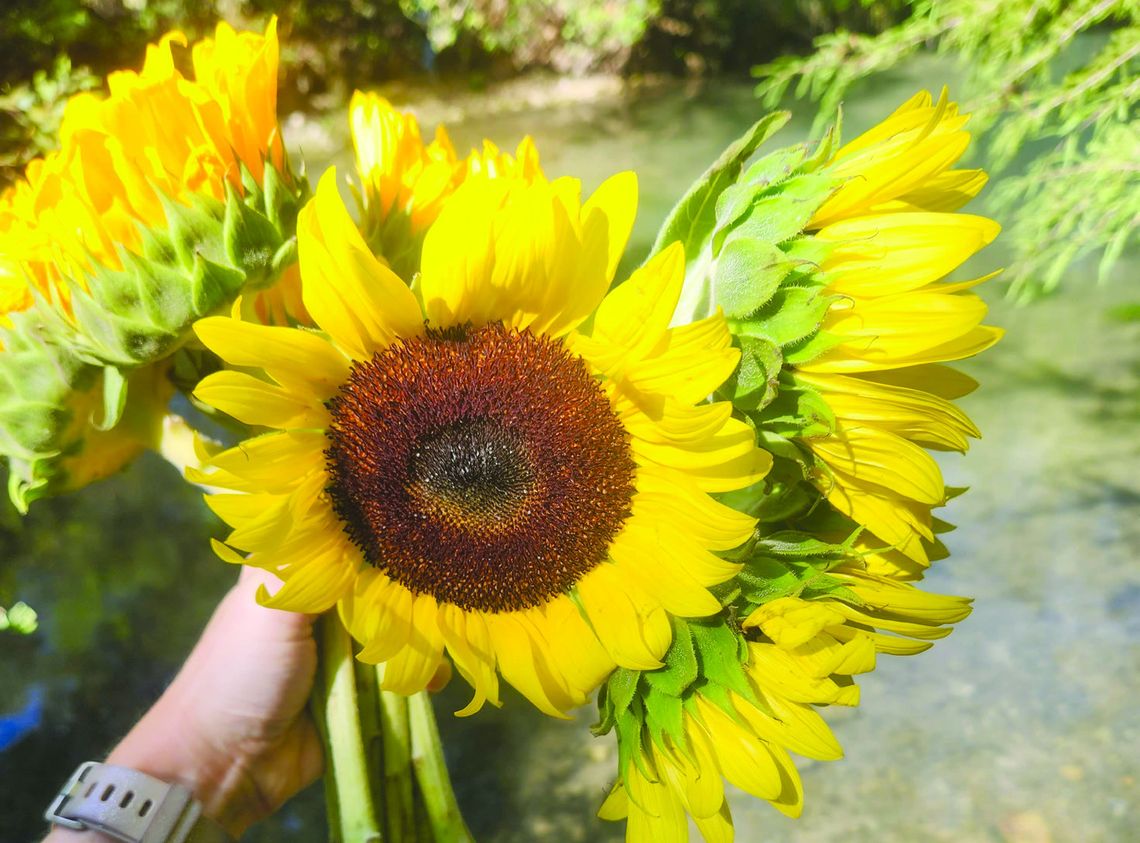
Also consider such plants as asters, goldenrods and sunflowers — all keystone plants that support both butterflies and bees.
If you plant a single acorn, the resultant oak could well support tens of thousands of individuals or thousands of species during the tree’s lifetime.
And mighty oaks are not the only champion of wildlife diversity. Don’t overlook the contribution made by the lowly milkweed. Of North America’s more than 17,000 species of native plants, milkweed is essential for certain vulnerable wildlife species to complete their life cycles.
Whether it is located in California, Canada or the Midwest, every monarch butterfly must find and deposit its eggs on milkweeds in order for its caterpillars to survive.
And caterpillars are absolutely essential to maintain a healthy wildlife ecosystem. They are a primary food source for all sorts of wildlife, including 96 percent of terrestrial birds that rely on butterfly and moth larvae to feed their young.
So plant that acorn and consider a garden with milkweed and goldenrods – the birds and bees will be grateful for your help.