My main television viewing this last week was the NCAA Track and Field Championships. It was exciting to see the Bobcat athletes in action on a few occasions. The level of performance of these athletes was outstanding. They all had to meet qualifying standards, so only the top collegiate athletes were at the National Meet. And when you have a group of top athletes competing against each other, only the very top performers rise to be the best.
The one point that caught my attention in the distance races was the strategy of runners to be in first place at the finish. This involved when and how fast they had a “finishing kick.” I see various forms of finishing kicks at our local 5K races. There are a few finishing kicks from a couple of runners picking up the pace, so they don’t finish in last place. Kicks are not always reserved for the front runners.
Probably the most famous finishing kick was by Billy Mills, the USA 10K entrant in the Olympics. As they were coming around the last turn, the announcers were focused and commenting on the two top runners that were favored to win. Then, from about six places back, Mills started his kick. The announcers were screaming into the microphones, “Here comes Mills” as he joined the lead runners. Since he was running at a top speed coming from so far back, he was already going fast, and the other lead runners were still trying to pick up the pace in order to catch him. It was too late, and Billy Mills was the 10K Olympic Champion.
The other prime example was from Salazar in the New York Marathon. He was running side by side with another runner that was famous for his finishing kick. If they were close when they neared the finish line Salazar knew he couldn’t beat him. At about 10 miles from the finish, he put on a burst of speed and moved ahead about 20 yards. The kick runner had to pick up the pace to catch him. Salazar put on another burst of speed and moved ahead again. This went on for the last 10 miles. The runner with the famous kick was using up his energy trying to catch Salazar after each burst of speed. When they neared the finish line, Salazar put on another burst of speed and the runner that was famous for his kick had nothing left and had no finishing kick to use to win the race.
Watching the distance races and the kicks of the runners as they neared the finish line, they seemed to fall into three categories. One was that the runner in the lead picked up the pace and opened up a gap between the pack and easily won the race. The second kick was from a runner in second or third place. They picked up the pace and were running faster than the pace that was set during the major part of the race. I tried to imagine if it is easier to see a runner in front of you and use that as a motivation to run faster to catch the lead runner. The lead runner does not know what is happening behind them and often maintains the pace that puts them in first place. It is the classic Mills finish where the runner from behind is running faster and the lead runner has to pick up the pace after being passed. It takes time to build up more speed and catch another runner, and, too often, it is too late to be in first place. The third type of finishing kick was evident in several of the distance races. The runner starts their kick from too far back. They reach top speed but can’t maintain that top speed necessary to run the distance to the finish line. At about 10 or 15 yards back, the runner’s kick fades and they slow down slightly or may maintain their speed, but the runners that were behind them are now moving at a much faster pace and pass them. Some early kick runners finished in fourth or fifth place instead of being in the top three. The timing of the start of the kick has to be just right or else it won’t work.
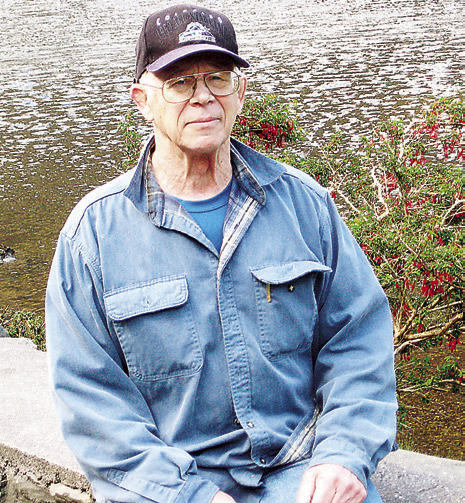
Moe Johnson Running with Moe