Last month we covered some basics about pollination including: what it is (spreading of pollen from male to female parts of a plant to make seeds), why it’s important (they are a huge part of our food system and the beauty we see in nature) and the different types of animals (mostly insects) that perform it. You would recognize many of our pollinator friends — bees, butterflies and hummingbirds to name so very few!
This month, let’s talk about how to make them a home in your garden. Let’s talk about the basics of a pollinator garden.
Pollinators need what you and I need: Food, water and shelter. So consider what type of pollinators you wish to attract to your garden and that will set the foundation for the rest of your decisions.
FOOD:
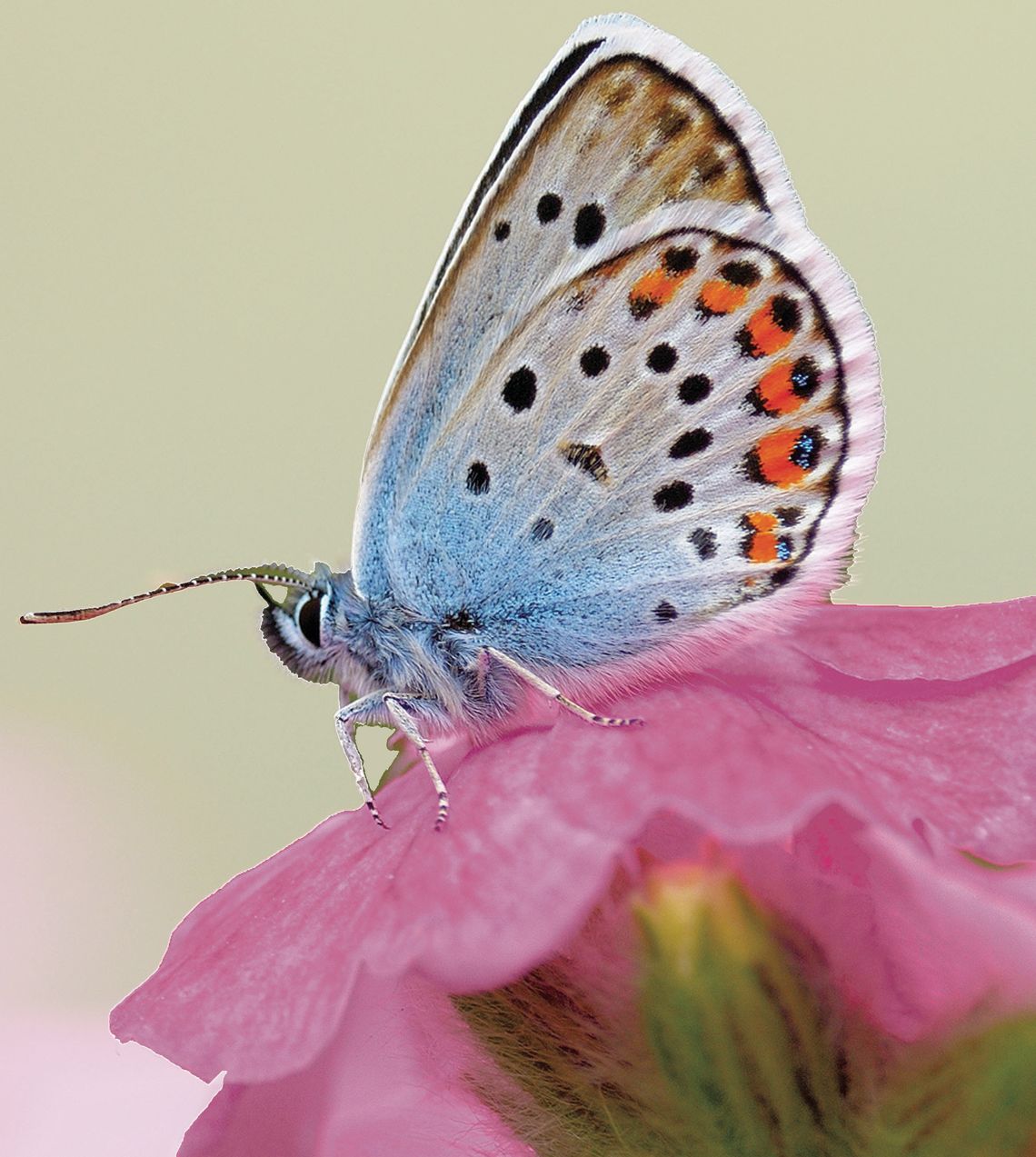
Different pollinators are attracted to different types of plants. As outlined in Part 1 of this series, the shape, color and scent of flowers can appeal differently to the different pollinators. Hummingbirds like tubular-shaped, bright-colored (reds, oranges, yellows) flowers. Butterflies and bees prefer flowers that have a flat top to provide a landing surface for them.
When considering what to plant, plan a sufficient enough variety to provide blooms throughout the
Pollinator Basics Part 2
year, thus providing food for the pollinators all year. Also, utilize plants well-suited for our region. Texas has an abundance of native and adaptive plants from which to choose. Plant according to each plant’s needs (sun and water), and cluster plants together so they are easier for pollinators to find and transfer the pollen between plants.
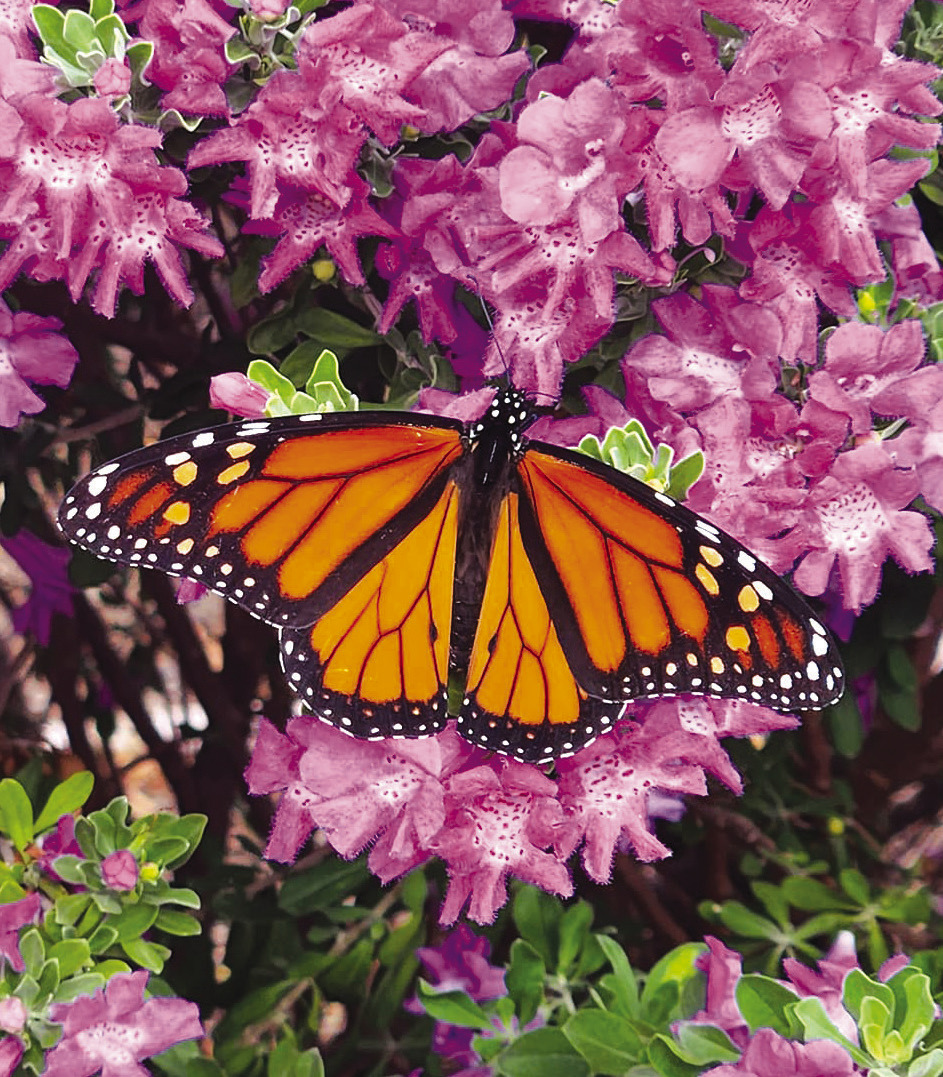
Special note on Butterflies: The butterfly life cycle includes eggs, caterpillars (larva), chrysalis (pupa), and then finally, the butterfly. Female butterflies, after mating, search for specific host plants on which to lay their eggs. Once the caterpillar emerges, it feeds until it is full grown and then enters its chrysalis. The chrysalis attaches to plant stems and is protected by the surrounding vegetation. Once the butterfly forms and emerges out of the chrysalis, it then looks for nectar to feed upon. So when choosing plant varieties, make sure to provide support for all four stages.
Host plants to support the eggs and caterpillars: Texas has over 400 butterfly species recorded. To name host plants for some common ones: Butterflyweed for Monarch butterflies; parsley, dill, fennel, and rue for Black Swallowtail butterflies; and Passion Flower for Gulf Fritillary Butterfly.
Plants to support the adult butterfly: In our region, some great examples include Milkweed, Yucca, Purple Coneflower, Black-Eyed Susan, and Copper Canyon Daisies.
WATER:
Utilize “mud puddlers” as a water source for bees and butterflies.
These are shallow dishes (e.g. a terracotta pot saucer) that is filled with “dirty” water, with water that is barely above the muddy/sandy mixture. Place small flat stones in the dish as well, so that pollinators can perch while quenching their thirst.
SHELTER:
Shelter comes in different shapes and sizes for the various pollinators. By providing shelter, you help encourage pollinators not to just pass through, but to make a home in your garden.
You can achieve a vast array of shelter for a vast array of pollinators by:
• Using plants of varying heights — low ground cover, medium and higher — to build layers for protection
• Using not only flowers but shrubs and trees. Some types of bees nest in wood while butterflies will tuck themselves into cracks in the wood for protection.
• Leaving bare soil. Many bees and beetles like to nest underground.
• Leaving thin cardboard tubes, hollowed out stems or twig bundles.
Building a pollinator garden isn’t so hard. It is just providing a natural habitat — which includes food, water and shelter — for our pollinator friends. Key is to plant a variety of flowers, shrubs and trees, to support the different life stages across the seasons. Also, stay insecticide/ pesticide free since after all, a large portion of pollinators (bees, butterflies, beetles, flies, etc) are all insects. Wishing you an abundant and lifefilled pollinator garden.