Exploring Nature: The Lost H
awk
Fall migration will soon be underway and some birds will leave our area in search of warmer climate — although unless it cools off an awful lot, it is hard to imagine a bird getting cold around here.
This annual migration is a true wonder of the natural world, and scientists have speculated on how birds manage to navigate with great precision.
Homing pigeons for example can be transported hundreds of miles from their home roosts and once released, will fly back as if following a map.
How do birds know how to navigate with such exactitude? Avian optics can detect the earth’s magnetic field and use it as a compass.
When light enters a bird’s retina, it triggers a series of subatomic events allowing the eye to detect the earth’s magnetic field.
The system, however, is not foolproof and birds do sometimes get lost.
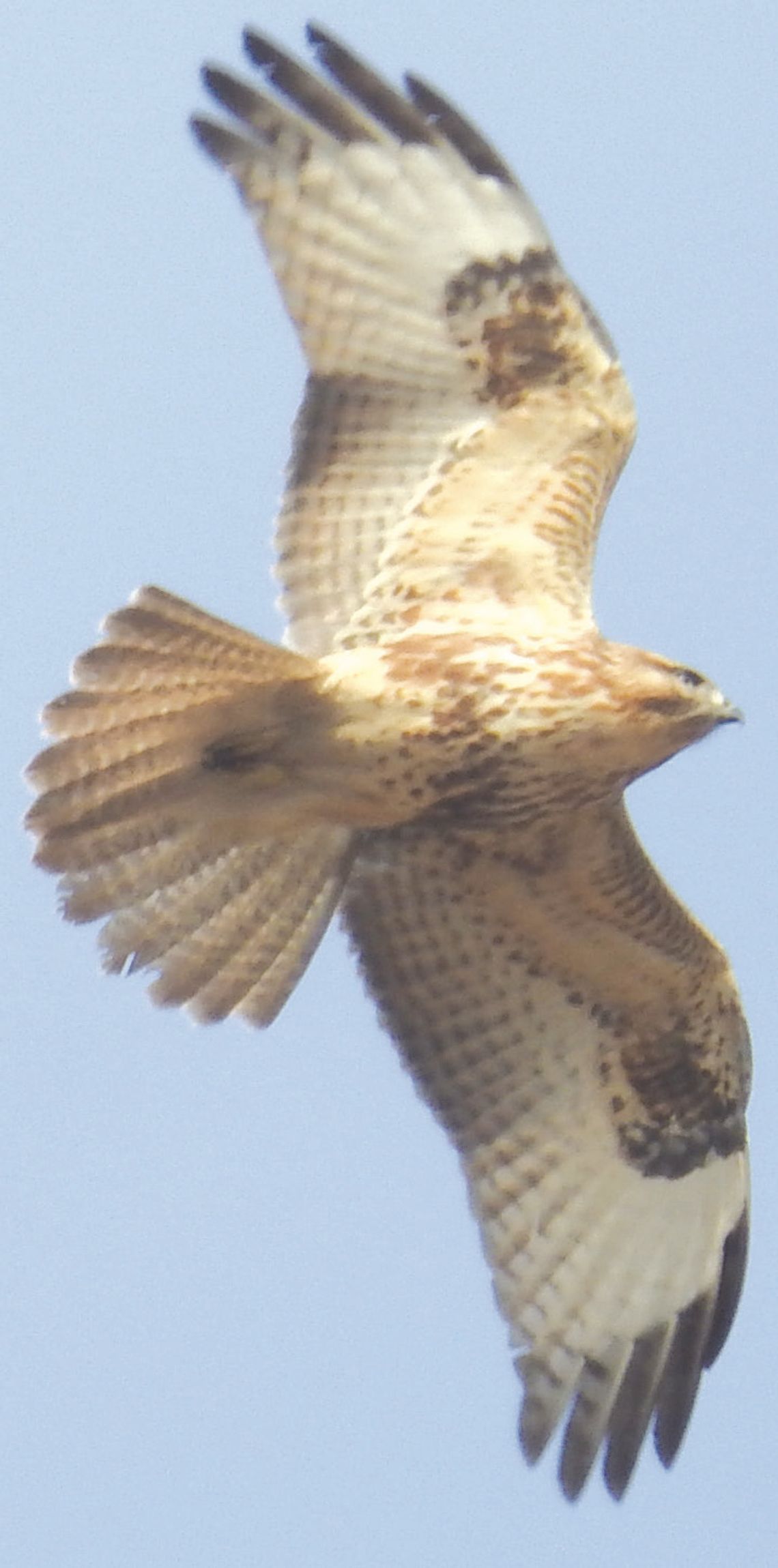
In 2018, a great black hawk was documented to have departed Texas in April and arrived in Maine in August. It was meaning to fly south to sunny Mexico, but got completely lost and wound up in chilly Maine.
Thousands of admirers turned out to look at this rare bird, but the hawk was doomed when weather turned cold and it died from weather- related causes in January, 2019.
People in Maine erected a commemorative statue in Portland on the site where the hawk once perched. You can visit the statue in Deering Oaks Park.
So even if you get confused and go astray, folks will usually forgive you and salute the fact that you at least tried.