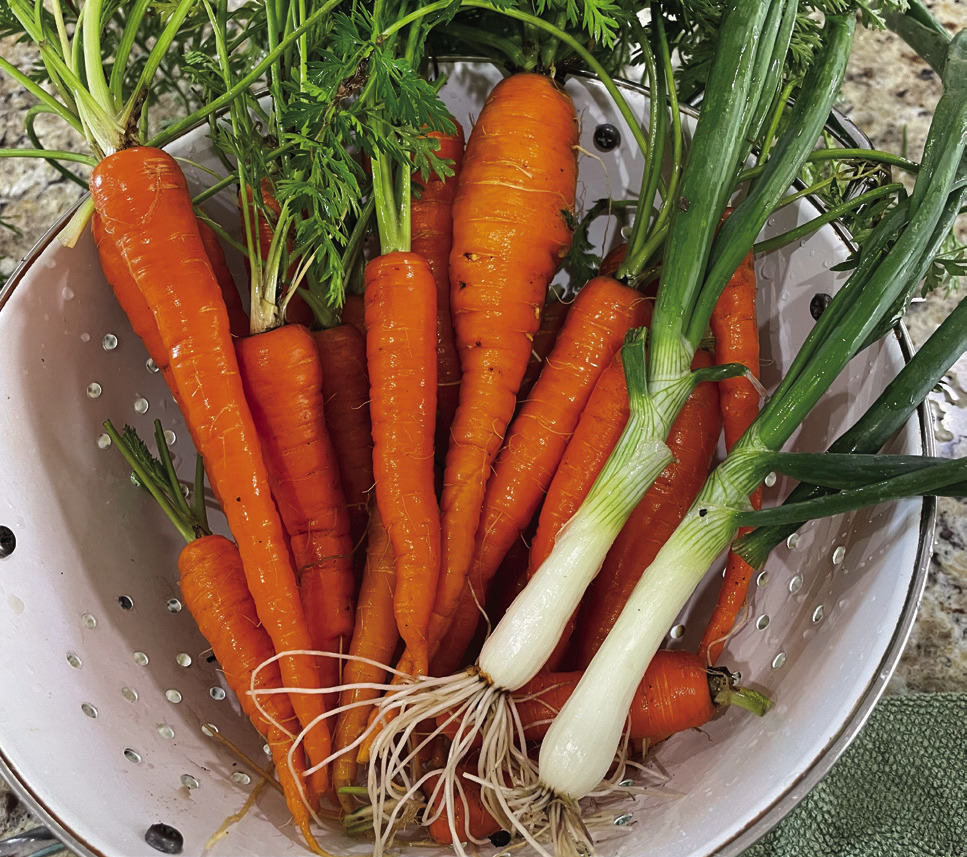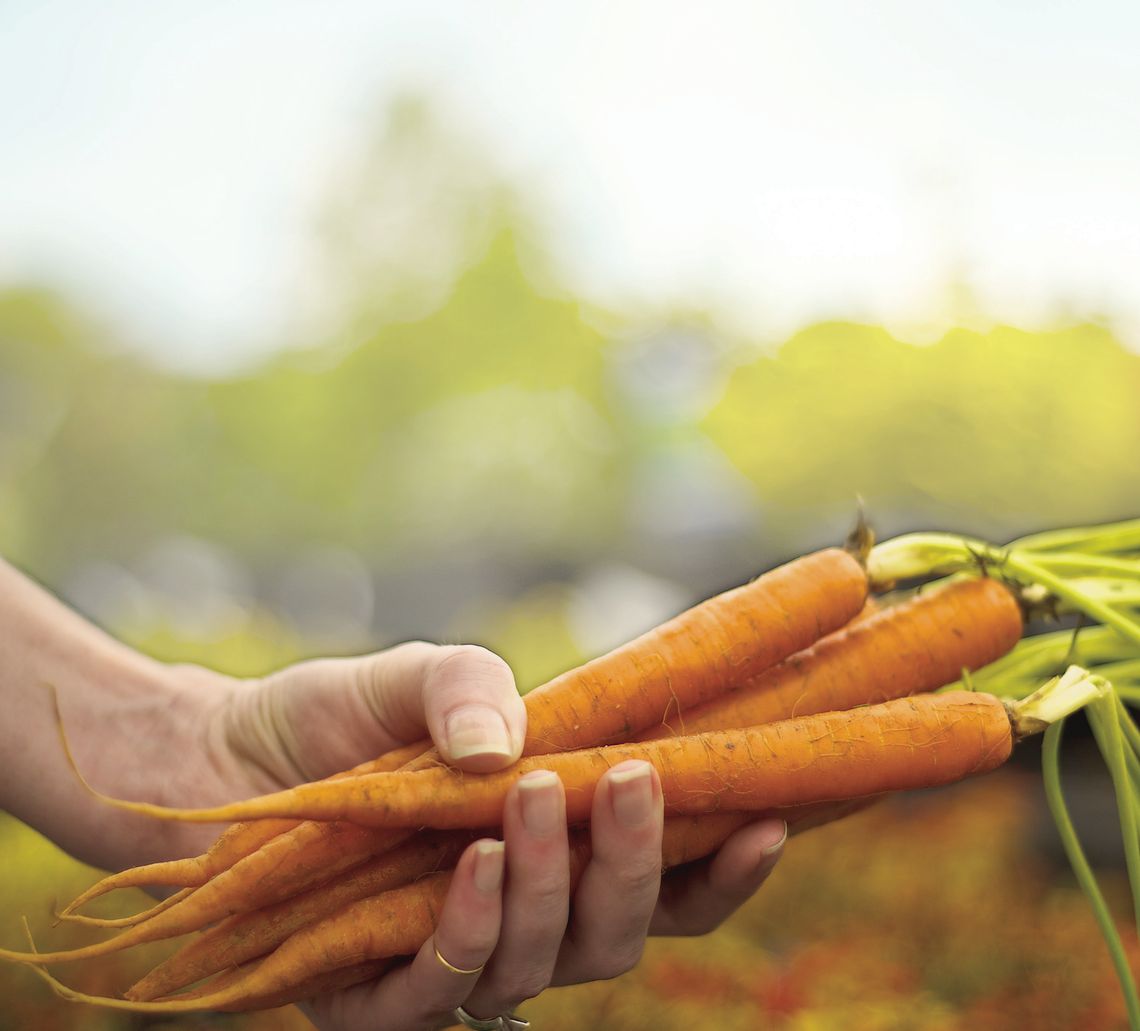
Growing veggies in Central Texas can be challenging for even the most seasoned gardeners, but fall is a great time of year to grow and build confidence in your gardening abilities. While brassica crops like broccoli, cauliflower, kale, cabbage and collards are fall gardening standards, you may want to put some focus on growing more root vegetables like radishes, beets and (my personal favorite) CARROTS.
Why Fall Carrots?
In some areas of the country, people plant carrots in both the spring and fall, but in Texas, focus on fall carrots. There are a few reasons for this.
1. Carrots need some really cold weather to stimulate their conversion of basic starches to sugar. The more cold weather they get, the sweeter they will be. 2. Once planted, carrots are extremely low maintenance. Other than thinning them out when their greens reach a few inches, they don’t need tons of water or fertilizer. In fact, I never fertilize my carrots. I just plant them in soil that is rich in compost.
3. Carrots make a great cover crop to help protect your soil over the winter. Then you get to eat them in the spring. How many other cover crops do you look forward to eating?
Planting Your Carrots
Many people simply scatter their seeds in a line along a raised row of dirt, and this system works fine for them. If you have not had great success with that method, you may want to try my method. I do a little more work up front to get amazing results come harvest time. Remember, once your seeds are in the ground, there is very little else to do with them for months, so why not do a little extra in the beginning to get great results later?
1. Remove any hard debris or obstacles from the soil. If carrot roots touch something hard, it will most likely stunt their growth. For this reason, I grow my carrots in raised beds without any chunky materials in them like wood chips or rocks. You don’t need terribly deep soil to grow carrots. Some short varieties like Tonda di Parigi only need a few inches.
2. Soak your seeds overnight. This speeds up and improves overall germination to kickstart growth. I grow multiple varieties of carrots, so the night before I plant them, I will pour seeds into the center of a paper towel and fold them up. I then wrap some masking tape around the towel and write the varietal name on the tape with a permanent marker.
I place all of my wrapped seeds in a bowl of water and let them soak overnight.
3. Use the paper towel to improve rooting. When I am ready to plant my seeds, I unwrap the paper towel and spread the seeds all over it. I then use a pair of tweezers to pluck a tiny piece of paper towel with 2-3 seeds on it and place the piece 1/4 inch into the soil. I practice square foot gardening with my carrots, so I plant about every three inches all over my carrot-growing area. Seeding squares make square foot gardening fast and easy. When all the seeds are in the ground, I simply brush my hand over the top of the soil to cover the seeds.
Benefits of the Paper Towel and Tweezer Method 1. Makes it easier to pick up and place your seeds.
2. Lets you easily see where you have placed seeds.
3. Locks the seeds into place so they don’t wash away (a common issue).
So Many Carrots, So Little Time There are hundreds of varieties of carrots for you to experiment with. You may choose your varieties based on the depth of your soil, your favorite color, or a unique flavor. Whatever your selection criteria, I guarantee there’s a carrot for you. In our Urban Learning Garden, we grow at least 10 varieties each carrot season and host a public taste test during our spring harvest. Tonda di Parigi is always a favorite because it is a fun carrot that grows to the shape and size of a golf ball. Based on taste alone, this year’s winners were Purple Dragon, Short ’n Sweet and Negovia. Danvers 126 also always does well because it is very similar to grocery store carrots that people are familiar with.
Be sure to explore varietal options at your local plant nursery or online sites.
Happy Carroting!