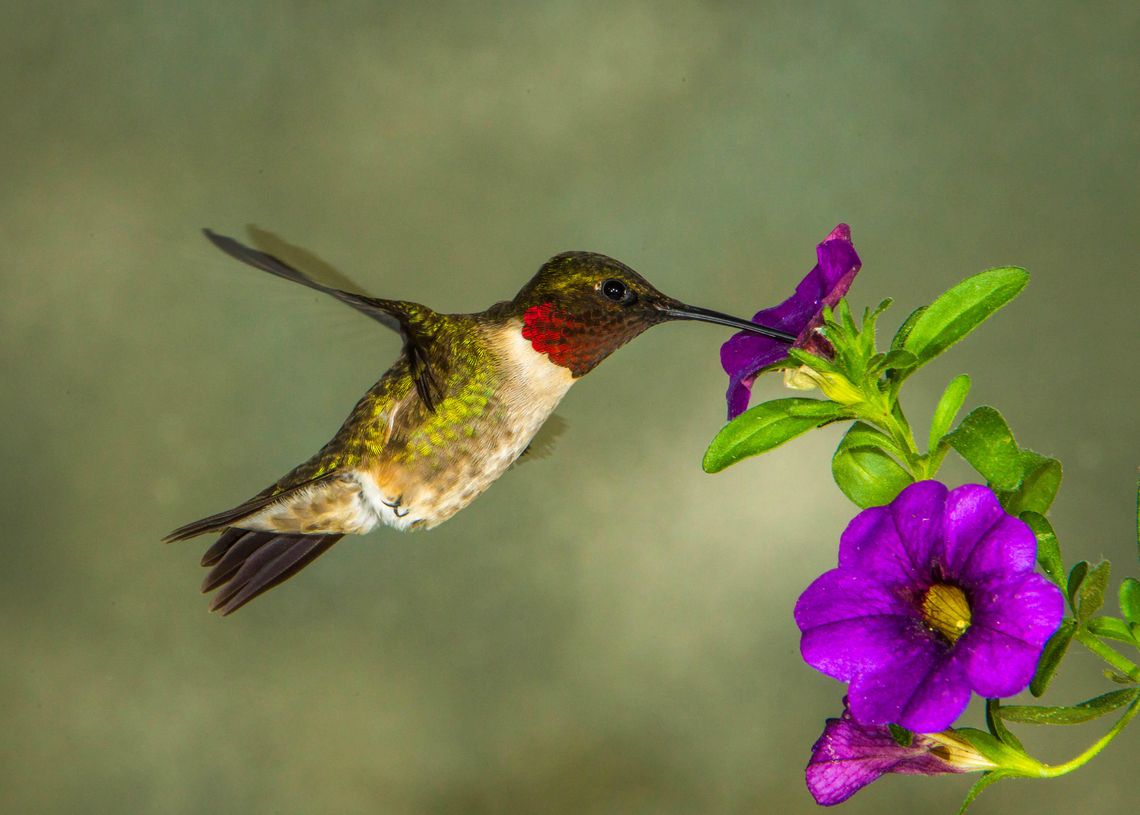
My black-chinned hummingbird has departed. He’s been gone for over three weeks, which means he’s probably gone until next spring.
This year he showed up at 7:09 p.m. on Sunday, March 23. I was very relieved because for three years straight, he had arrived like clock-work on March 17, St. Patrick’s Day. I was beginning to think he would not arrive at all. But all’s well that ends well, and I decided the hummer wasn’t Irish after all, but just happened to arrive on that date.
Now I have a new worry – when will the first warblers put in an appearance? Especially, when will the yellow-rumped warbler show up? This little bird is also fondly referred to as the butter-butt. Not very dignified perhaps, but certainly descriptive. This is a large bird, about six inches long and as the name implies, it has a bright lemon-yellow spot on its rump. In breeding plumage, it also has colors of slate blue, yellow, black and white – a most handsome bird.
Some lucky folks in a small area of far West Texas have yellow-rumped warblers year round. Likewise, a fortunate few in Texas also have hummingbirds year round. But for most of us, hummers are gone by Halloween and warblers are around only in late fall and winter.
In closing, let me update you on the birding big picture. The American Birding Association has added five bird species to the ABA checklist – European herring gull, eastern cattle-egret, little white tern, hen harrier and oriental honey-buzzard. The checklist now stands at 1,158 species.
Happy birding!