CENTER FOR TEXAS MUSIC HISTORY AT TEXAS STATE UNIVERSITY
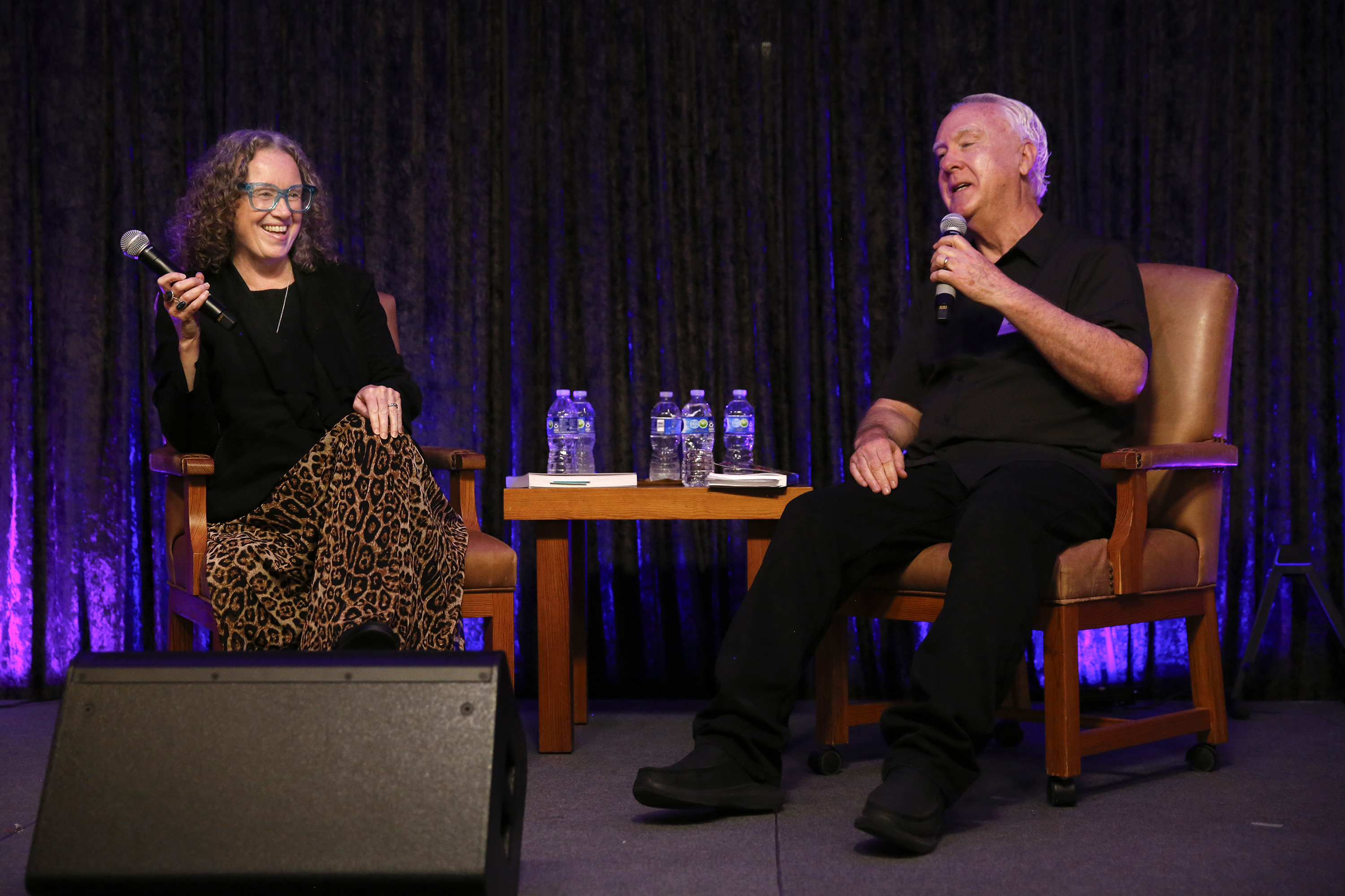
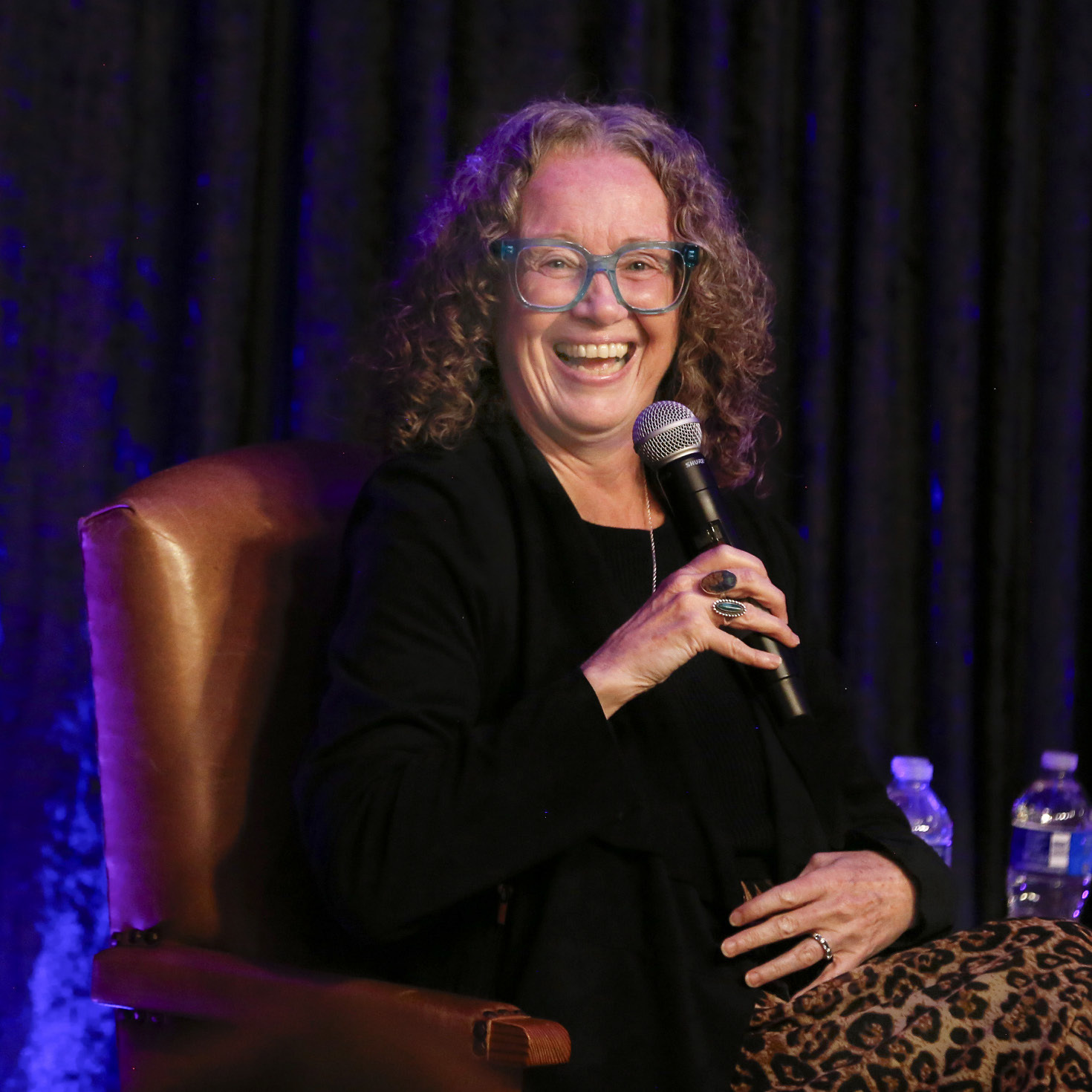
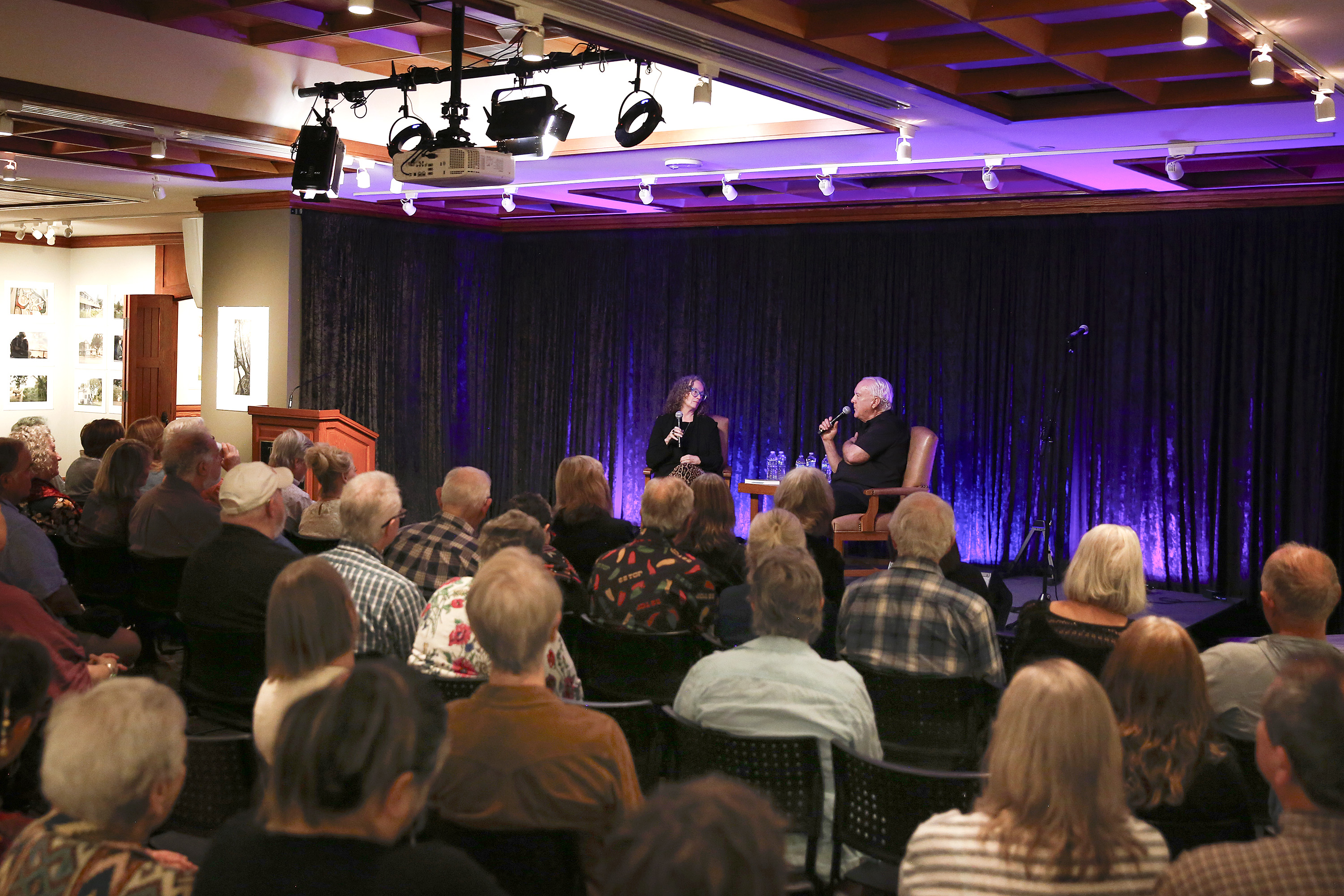
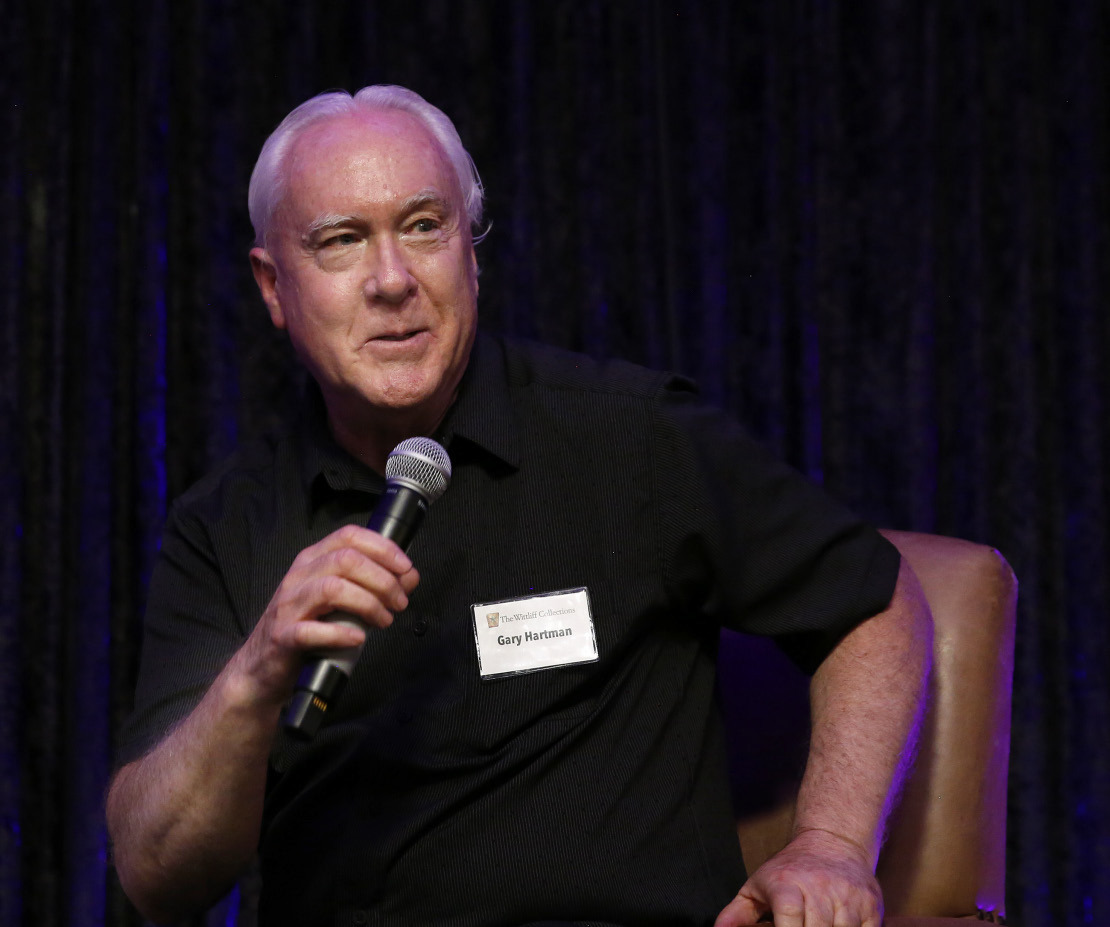
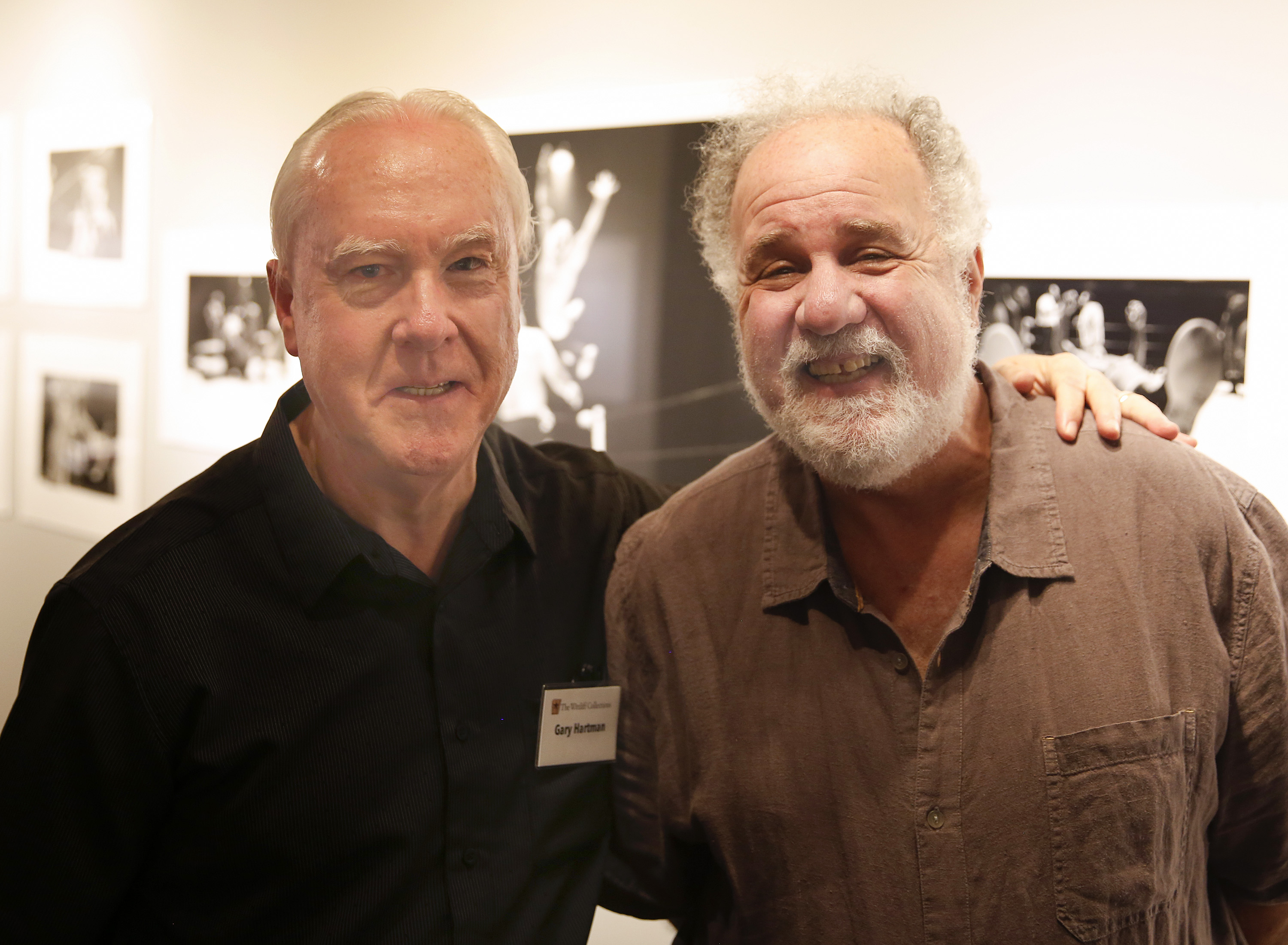
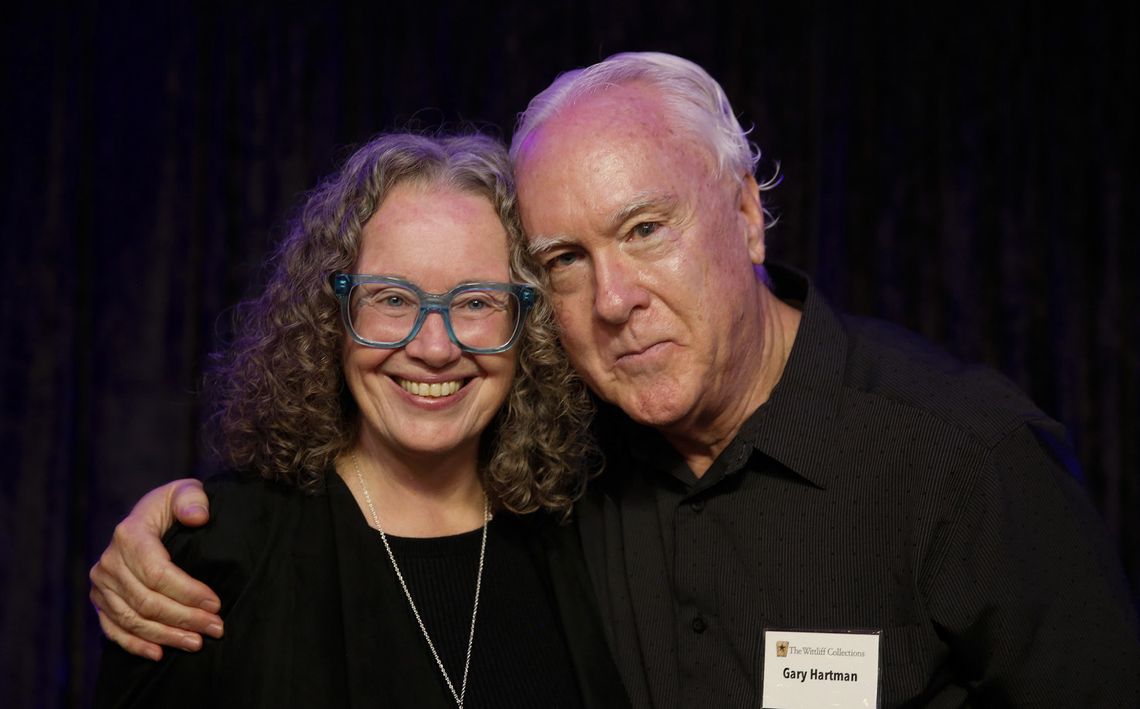
The Wittliff Collection hosted a discussion on Americana music and the Nashville music industry between author and filmmaker Tamara Saviano and Gary Hartman, founding director of the Center for Texas Music History.
Saviano is the author of the Guy Clark biography “Without Getting Killed or Caught: The Life and Music of Guy Clark” as well as director of the Guy Clark documentary “Without Getting Killed or Caught.”
The biography and the movie were widely praised: The Austin Chronicle said, “Saviano captures the full story of an extraordinary life and talent, told with both an unwavering honesty and loving admiration.”
The No Depression magazine/website, which specializes in roots music, said the Clark biography “reads like an Americana version of Jack Kerouac’s On the Road . . . If this were a record, it’d be my record not of just the year, but of the decade.”
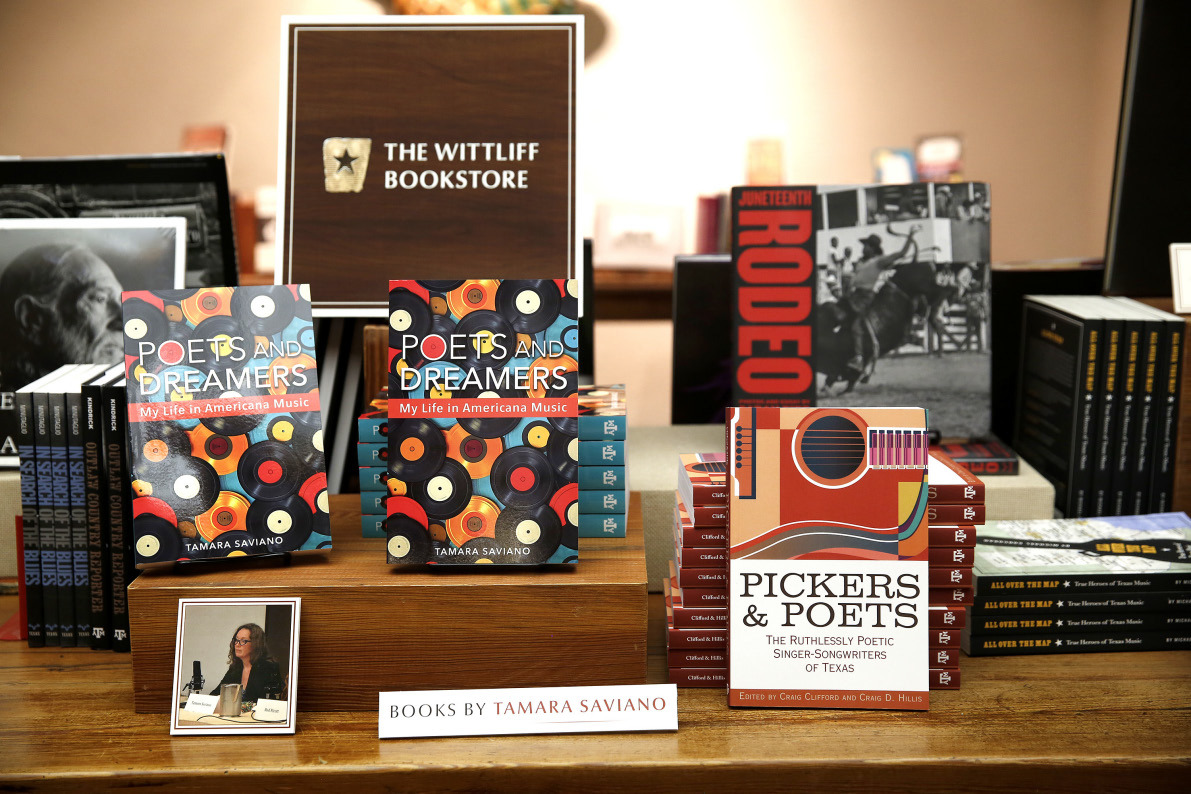
Her latest book is “Poets and Dreamers: My Life In Americana Music.” She was the first woman president of the Americana Music Association.
As a music producer, her credits include “Beautiful Dreamer: The Songs of Stephen Foster” and “The Pilgrim: A Celebration of Kris Kristofferson” tribute album as well as Kris Kristofferson’s “The Cedar Creek Sessions,” nominated for a Grammy in 2016, which she co-produced with Shawn Camp.
Saviano began her career in the music business working for a radio station in her hometown of Milwaukee, publishing small newsletters to promote the station. Milwaukee was, and continues to be, a key market for prominent music industry magazines such as Billboard and Cashbox. And because the station she worked for reported playlists to these publications, it received a great deal of promotional releases from record labels and welcomed several country music performers long before they became stars.
“Anytime there was a new artist, the record labels brought them to perform,” she said. “I saw Garth Brooks perform by himself in our little 10person conference room.”
Since the music director at the station did not have any interest in playing many of the promos, Saviano built up a large collection of station rejects. Much of the music on these rejects became the basis of the Americana music genre.
“I built a hell of a great CD collection, Tupelo and Wilco and Rosie Flores and Kevin Welch and Rodney Crowell and Guy Clark. … There was this underground thing happening, but there was no business model to pull it all together.”
Saviano said there were two main factors in the growth of the Americana genre. One was the formation of the Americana Music Association in 1999, which championed a separate chart for Americana music. The other was the huge popularity of the eclectic roots soundtrack of the 2000 movie “O Brother, Where Art Thou?”
Hartman said that the variety of sources is one of the factors which distinguishes Americana music. “I think that’s one thing that sets it apart from quote, unquote mainstream country is that there is more of an openness to all these other different influences, blues, jazz, swing, on and on and on, and there are no limits, basically.”
Another feature of Americana music is the structure of the songs themselves, according to Savino. “Americana is a radio format and music genre that is really not comprised of hits. It’s typically longer songs and more poetic lyrics.”
Dating back to her time working for the Milwaukee radio station, Saviano has interviewed (and in some cases later produced) some of country music and Americana music’s biggest stars.
“George Strait, yeah, I interviewed him on his bus at the Wisconsin State Fair. Yeah, Willie and Waylon and, I mean, everybody came through. Milwaukee is a big market, so we have a lot of concerts.”
When she later moved to Nashville, she came up against resistance as a female producer in the traditionally male-dominated industry.
“Any women that tend to get in power positions in Nashville, they find a way get rid of them,” she said. “It’s still very much a good old boy network, and it has become almost like a badge of honor to not have women in power positions.”
The current state of the music industry has been adversely affected by streaming platforms, she said, making a career in the business more of a challenge than ever.
“Spotify has decimated the music business. People can’t make a living the way they once could. There used to be a really strong music business where there were a lot of middle-class artists that were making music. You might not know their name, but they could sell records and tour and really make a middleclass living, and that’s just getting harder and harder and harder.
“So my only advice is only do it if you can absolutely not do anything else, if you cannot imagine your life without it. If writing songs and traveling in a van and getting on a stage to sing is the only thing you can imagine yourself doing then, yeah, do it.”
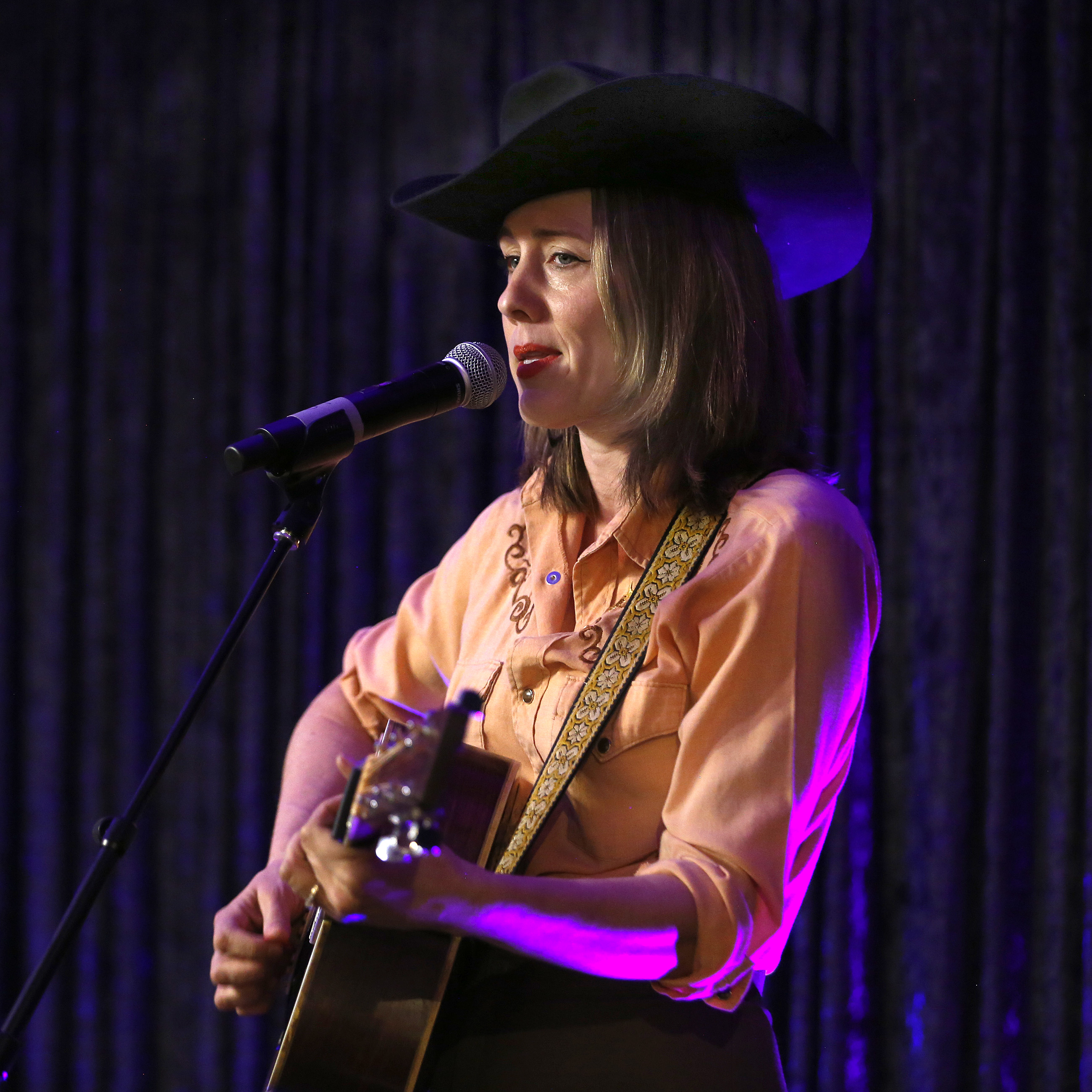
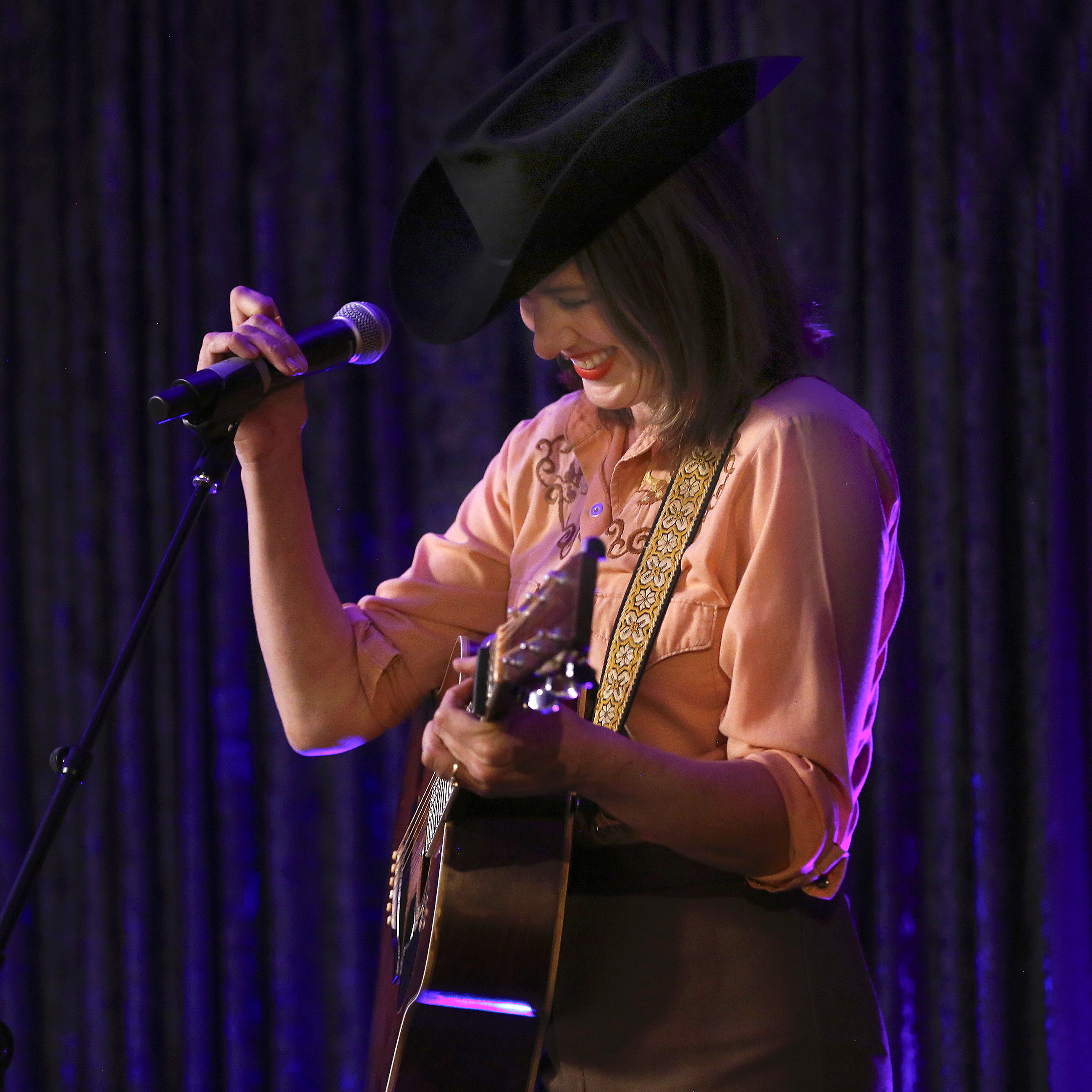
Musical guest Brennen Leigh played a few songs on acoustic guitar before the discussion. Her latest album is “Don’t You Ever Give Up On Love.”
Texas State University Professor Emeritus Dr. Gary Hartman founded the Center for Texas Music History with fellow Texas State history professor Gregg Andrews in 1999 as part of the school’s history department.
The Texas Standard radio news program (airing locally on KUT, 90.5 FM) features a This Week in Texas Music History segment from The Center for Texas Music History. For more information on the Center’s events and publications, visit txst.edu/ctmh