Death can seem like the end of a story but for those who donate their body to the Texas State Forensic Anthropology Center, a new chapter begins. Donor discoveries provide students with the experience to assist detectives and disaster teams in solving crimes and locating lost remains.
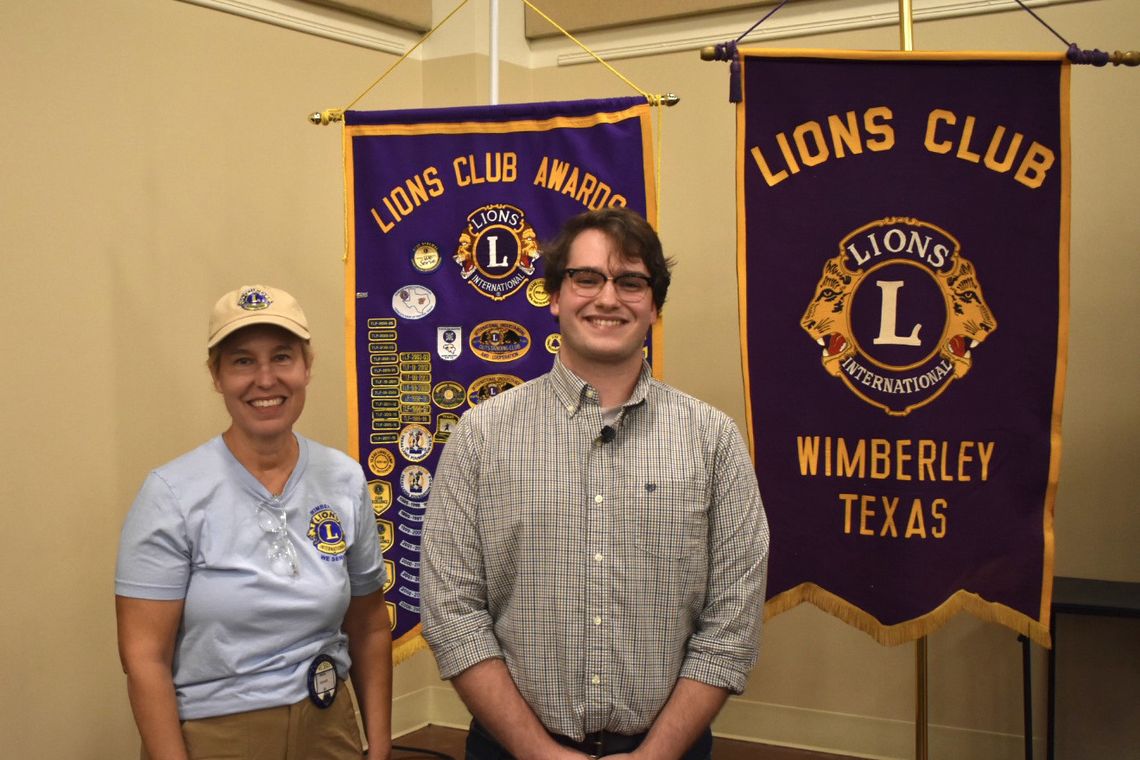
Closed to the general public, the forensic facilities have long sparked the interest of the morbidly curious. This intrigue led to a packed house as over a hundred people filled the Wimberley Community Center on a brisk Tuesday evening. Hosted by the Wimberley Lions Club, TXST graduate student Chris McMillan walked the crowd beyond the fence and into 26 acres of forensic findings.
Often called the “body farm” by locals, researchers refer to the Forensic Anthropology Research Facility (FARF) as an outdoor human decomposition research laboratory. Located within Texas State’s Freeman Ranch, the facility is the largest of its kind in the world. Researchers use FARF to gain knowledge on human decomposition, which aids in determining important information like time since death, or in some cases, the age and sex of the deceased though the process of bone identification.