When winter creeps closer, many species of animals will fall into hibernation, resting through the colder months to conserve energy. As for the plant world, many species go through their own form of hibernation called “dormancy,” often marked by leaves changing color and falling to the ground. While the winter passes, these plants will store their energy in their central regions until springtime rolls around, and then they begin growing again.
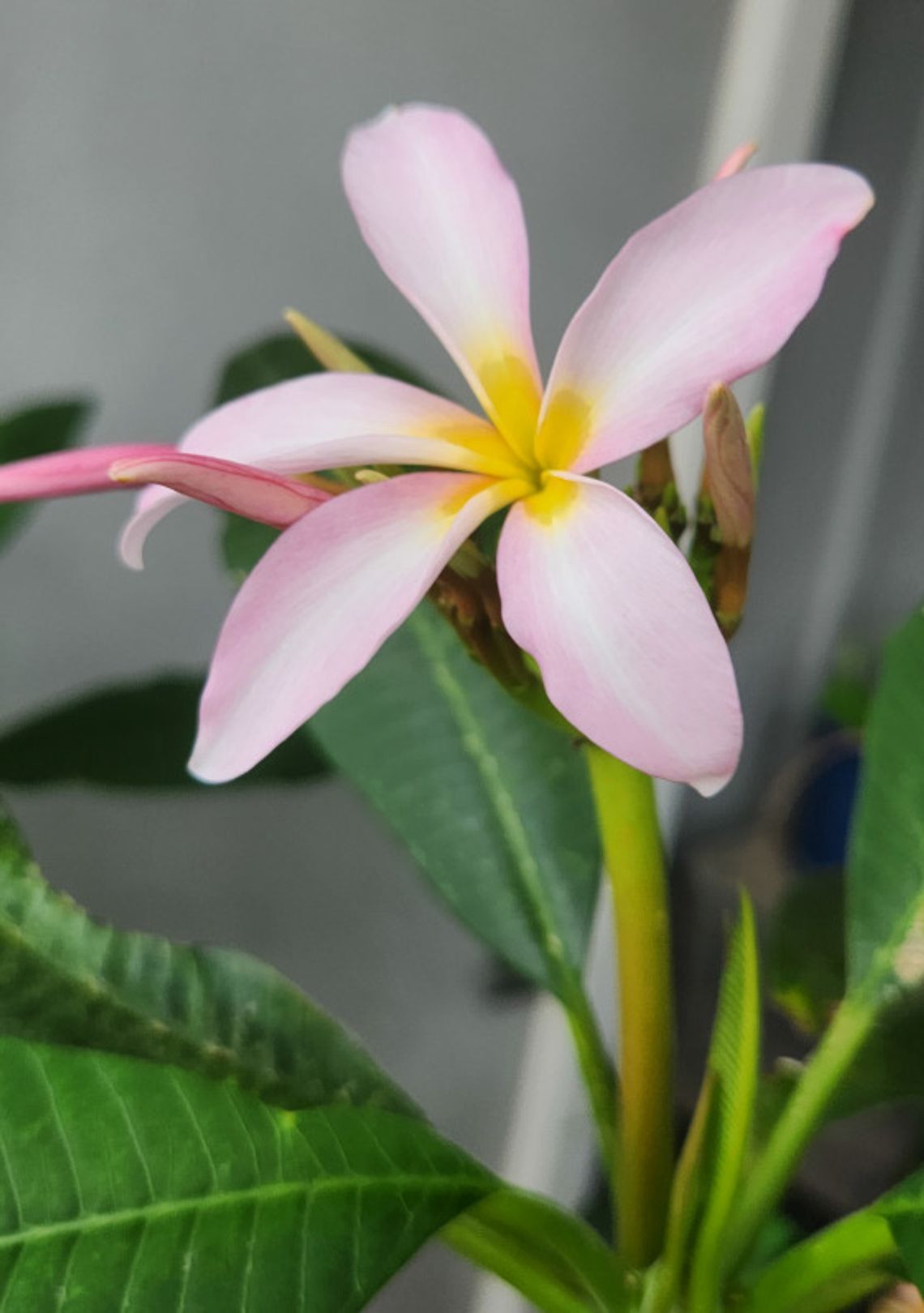
One plant that I have personal experience caring for during the dormancy process is the plumeria tree. Native to Central America and the Caribbean, plumerias (also known as frangipani) are tropical plants most known for their beautiful, fragrant flowers, often used to make Hawaiian leis. As early as the 16th century, European explorers took these flowering trees back across the Atlantic, and now plumerias can be found all over the world.
So how on earth do you care for a tree that is used to a tropical climate in a place like the Texas Hill Country? While our winters might be considered mild compared to more northern regions, we still experience some freezing temperatures and the occasional snowfall from November through February. To properly care for these plants in the winter, we must better understand their dormancy and what they need to survive the cold months.
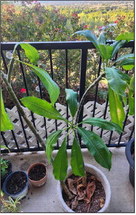
Plumerias, just like most deciduous plants, begin entering dormancy around the autumnal equinox when the amount of daylight decreases day by day. With my two plumeria trees at home, I notice the leaves slowly beginning to fall around late September. By late November, they have about half the leaves they started with in the summer. Then, by mid-December, they look like a couple of ugly sticks—which is to say that all the leaves are gone, leaving slender and smooth branches behind.
As the plumeria undergoes dormancy, it is important NOT to water it. The tree has taken most of the nutrients and water that it will need to survive the winter and stored it away. The tree will not grow at all during dormancy and therefore does not need any extra water. In fact, watering your plumeria during dormancy can lead to root rot, spider mites, and molding. The last watering you do should occur around early to mid-November, and some sources recommend adding 1 tablespoon of Epsom salt with a gallon of water to help the dormancy process.
Once your plumeria enters dormancy, the most important thing to do is keep it warm during cold temperatures. While some varieties are hardier than others, many plumerias cannot withstand temperatures under 40 degrees Fahrenheit. The best protection you can give these plants is a warm, covered environment like inside your home, garage, or greenhouse. But of course, not everyone can bring whole trees inside of their home. I personally bring my two plumerias inside my apartment for the winter, and it certainly makes for tight quarters.
For those who cannot move their plants indoors, you have a few options to provide warmth and protection. One popular option is covering your plumerias with cloth, such as old bed sheets. Do NOT cover with plastic, as it can hold moisture against the plant and cause worse frost damage than without. You can also get festive and use old incandescent Christmas lights (not LEDs) that produce heat. Finally, you can use 3-4 inches of mulching to protect the roots.
Once spring arrives and we receive more daylight, plumerias will awaken from their dormancy and begin growing their beautiful leaves and flowers once again. These trees teach us that taking a break will always pay off!