Over the Thanksgiving holiday, I listened to Kevin Fedarko’s book, ‘A Walk in the Park’, about hiking the whole length of the Grand Canyon. Early on in his trek, Kevin met a famous herpetologist (if such a thing exists), who had done this impossibly difficult task not once but twice. The famous herper asked Kevin about a recent snake he encountered, and Kevin’s description went something like, “It was definitely pink or red or maybe white, and it had stripes that were black or brown but not both.” Upon hearing Kevin’s description, the renowned herper responded with unexpected vehemence, “That’s the worst description of a snake I’ve ever heard. You shouldn’t even be out here.”
Kevin initially dismissed the herper as just a grumpy-old academic who spent too much time alone in the desert, but after a disastrous few days that led to an emergency evacuation, Kevin understood the herper’s reaction. How we pay attention to a snake on the trail is how we attend to the en- vironment we traverse. And if we can’t be bothered to take note of the details of the wildlife, we will find ourselves illequipped for the journey through the landscape – and probably life.

So how do we cultivate mindfulness on the trail? My old Buddhist teacher, Oser-la, would tell me to pick a sense and count. How many steps did I take on my hike? How many birds did I hear, or how many different kinds of trees did I see? The activity sounds easy at first, but in a world where our brains have grown used to scrolling, this kind of prolonged single-tasking can feel exhausting. So start small with these little loops in our neighborhood.
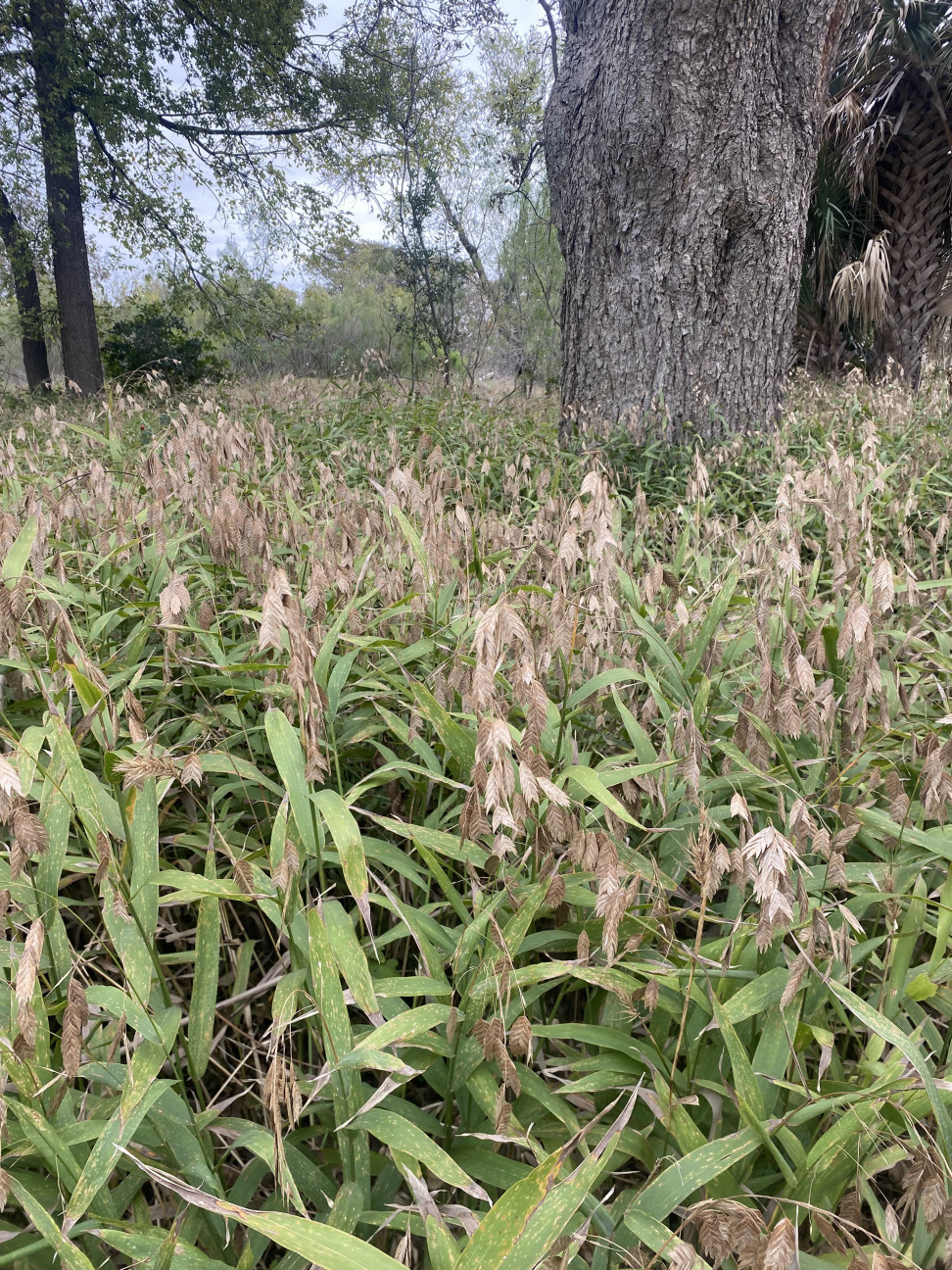
The Wetlands Boardwalk at the Meadows Center: This .40-mile loop teems with life and sound. Counting birds by sight or song is a great way to spend the hike. Enumerating plants brings new appreciation for an area that contains cattails, palmettos, live oaks, and cypresses. The wind through the sycamores this time of year can be especially musical as you stroll along.
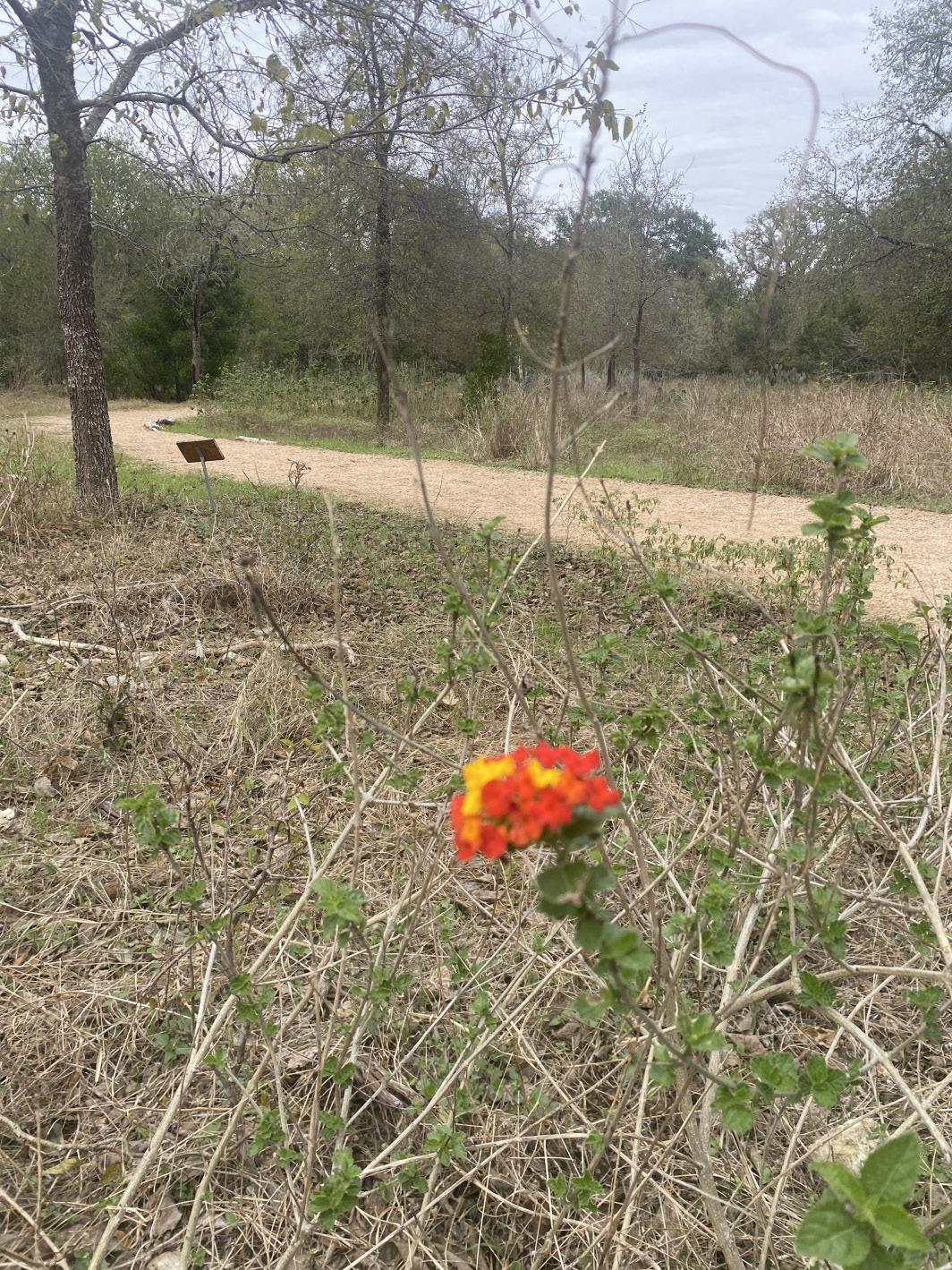
Schulle Canyon: The Virginia Witte Trail forms a .60-lollipop whose soundscape satisfies with each crunch of decomposed granite as you count your steps. Late-year Lantana and Turk’s Cap punctuate the landscape, making counting flowers an unexpected treat. And if you get really lucky, a slight breeze will rock the cedar elms, unleashing a flurry of golden leaves that hit the ground with the sound of a gentle rain.
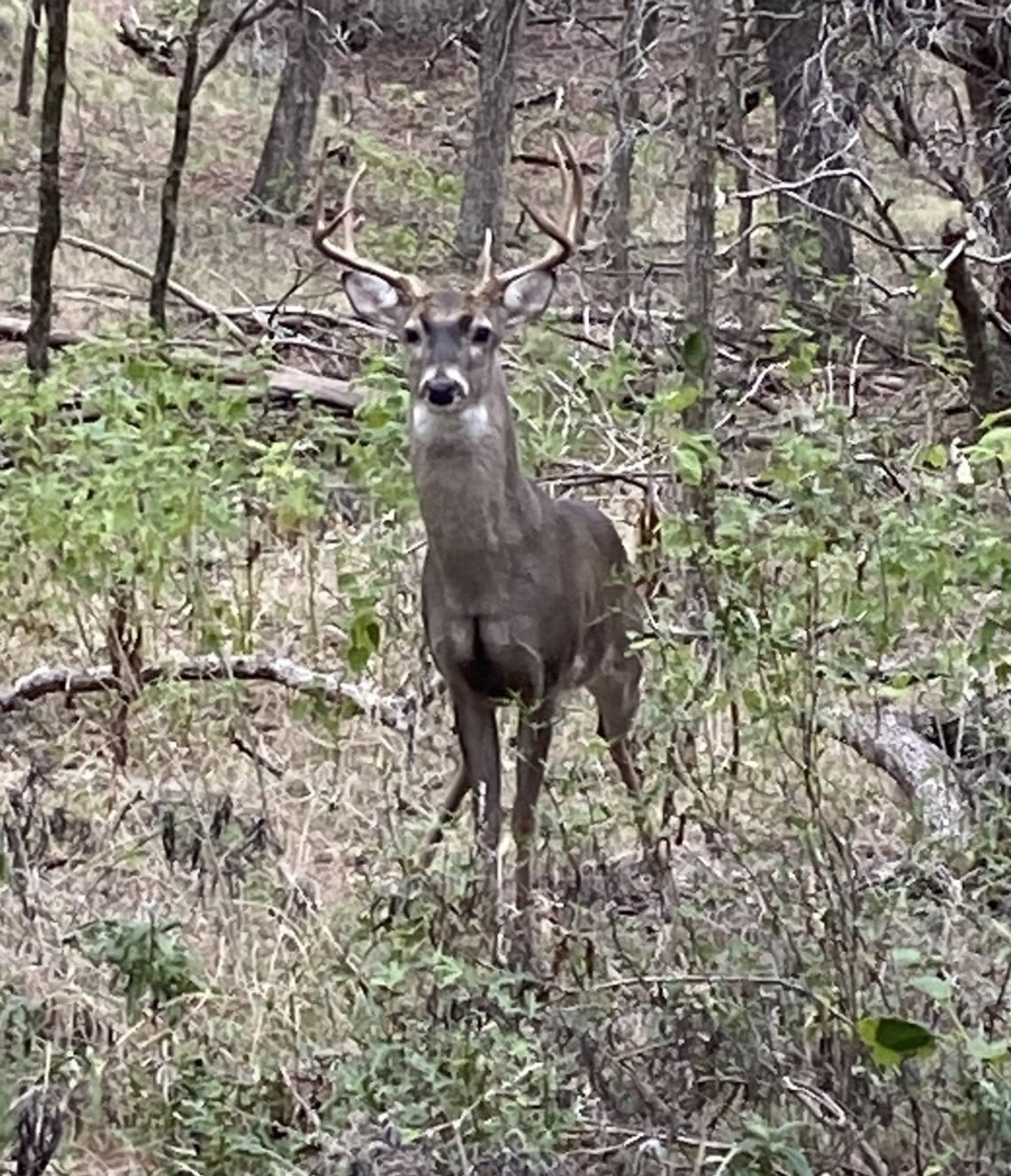
These trails provide a great place to practice mindfulness and appreciate the landscape we call home, so keep your eyes out for eight-point bucks or five-pound bass, and if you see a snake, take a moment to study it; you never know when you’ll run into a famous herper.