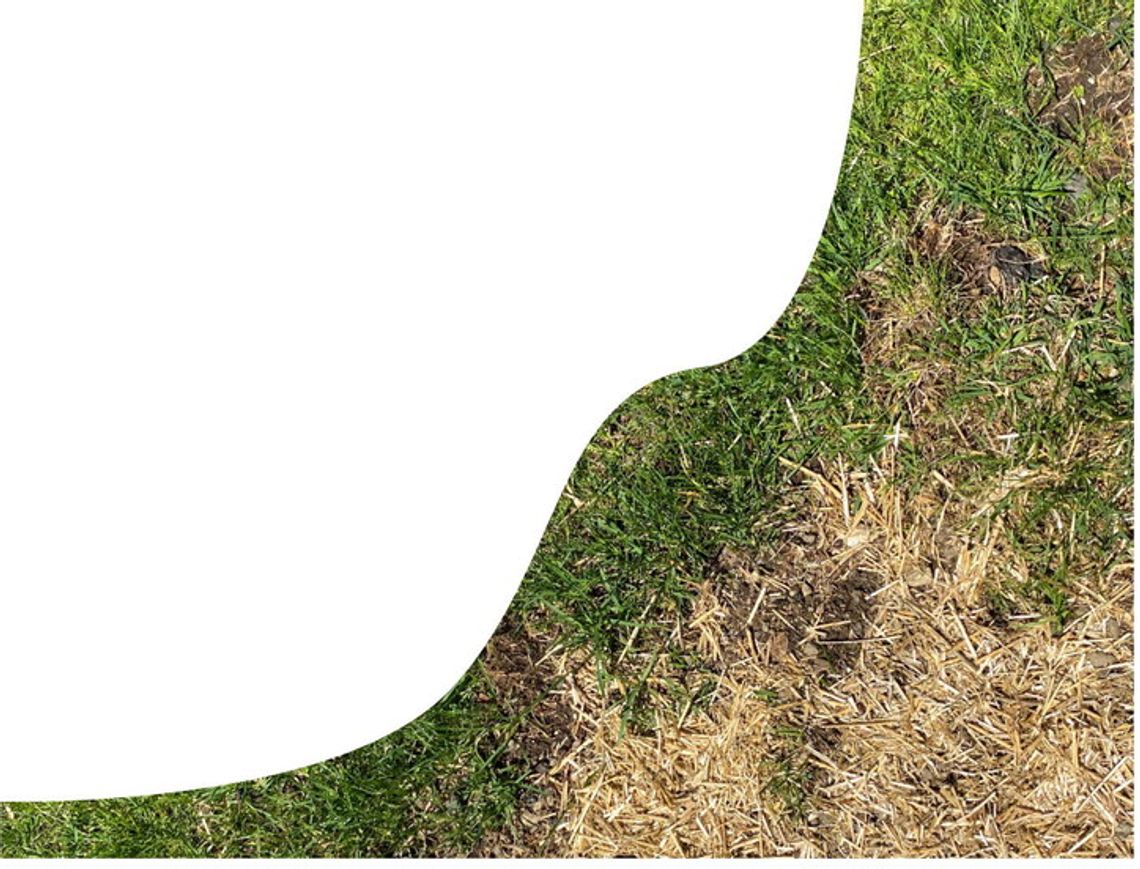
As Hays County grows, many residents live in neighborhoods with Homeowner Associations. With this population growth and persistent drought, many are faced with the challenge of maintaining lawns that satisfy HOA standards while at the same time adhering to watering restrictions. One of the laws passed in the 2025 Texas legislature provides some relief for homeowners dealing with this dilemma.
One new law that has a direct effect on homeowners with HOAs is Texas Property Code Section 202.008. This code restricts HOAs from imposing fines on homeowners for discolored vegetation during a prescribed residential watering restriction while the watering restriction is in place, and as amended in the committee substitute, for at least 30 days after the restriction has been lifted.
Photo sourced by Metro Creative The full text of Texas Property Code -Sec 202.008 which took effect on Sept. 1, 2025 is as follows: SECTION 1. Amends Chapter 202, Property Code, by adding Section 202.008, as follows: Sec. 202.008. LIMITATION ON FINES DURING RESIDENTIAL WATER RESTRICTION. (a) Defines “residential watering restriction.”
(b) Prohibits a property owners’ association from assessing a fine against a property owner for a violation of an applicable restrictive covenant that requires the owner to plant or install grass or maintain green vegetation or turf or prohibits discolored or brown vegetation or turf on the property: (1) during a period when the owner’s property is subject to a residential watering restriction under which discolored or brown vegetation or turf could reasonably result; and (2) before the 60th day after the date a residential watering restriction described by Subdivision (1) is lifted.
In summary, HOAs cannot fine homeowners for dry vegetation when watering restrictions are in place and for sixty days after the restrictions are lifted. This bill helps conserve precious water during times of drought.
If planning for new home landscaping in 2026, Hays County residents should consider alternatives to the traditional turf grass lawns. One of the best ways to conserve our precious water is to plant native grasses and groundcovers such as buffalo grass, horseherb and frog fruit instead of turf grasses like Bermuda, Zoysia, or St. Augustine. Using native plants in decorative beds is also a way to conserve water. These natives can handle our Texas weather extremes.