LIFELONG LEARNING-SAN MARCOS
“Baseball and the American Experience,” an overview of the history of the game with baseball scholar and retired Texas State professor Oren Renick, begins on Jan. 20 and continues every Tuesday through Feb. 24. Sponsored by the nonprofit LifeLong Learning- San Marcos, the first session will take place at the Dunbar Recreation Center, while the rest are at the San Marcos Activity Center.
This course will be a condensed version of the honors class of the same name which Renick taught at Texas State University from 2006 until 2023.
“Baseball is deeply woven into U.S. culture, history, and identity,” according to the course description. “It is a national pastime that provided opportunities for immigrants, mirrored civil rights and social change, developed community identity, and reflected American values.”
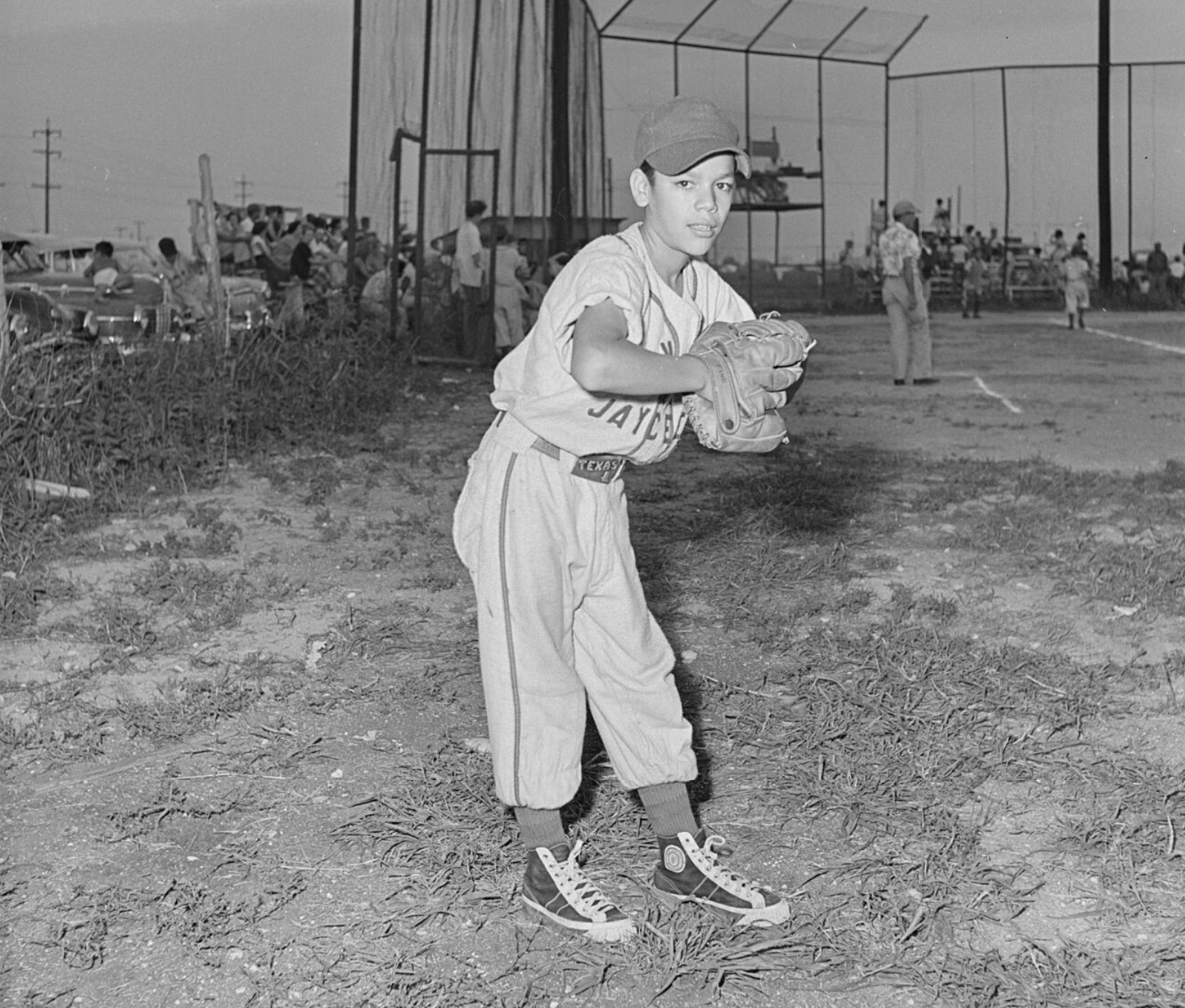
Renick was a faculty member in the Texas State Health Administration department from 1990 to 2023, primarily teaching health law courses at both the graduate and undergraduate levels. He started teaching the baseball class as a way to explore his obsession with the game.
“I’ve had a lifelong interest in baseball, both as a participant and for purposes of casual reading,” Renick said. “Because of that passion for the game, I took over this honors course to focus on the history.” He has taken graduate courses in history, a requirement for teaching the baseball course at TXST.
Renick is a renowned baseball scholar who has presented several papers at the National Baseball Hall of Fame and Museum in Cooperstown, New York. Among those papers was “Cowboy on the Mound: the Tex Hughson Story,” which he presented at the 2004 Cooperstown Symposium. The Daily Record printed “Cowboy on the Mound” across three issues in September of 2004.
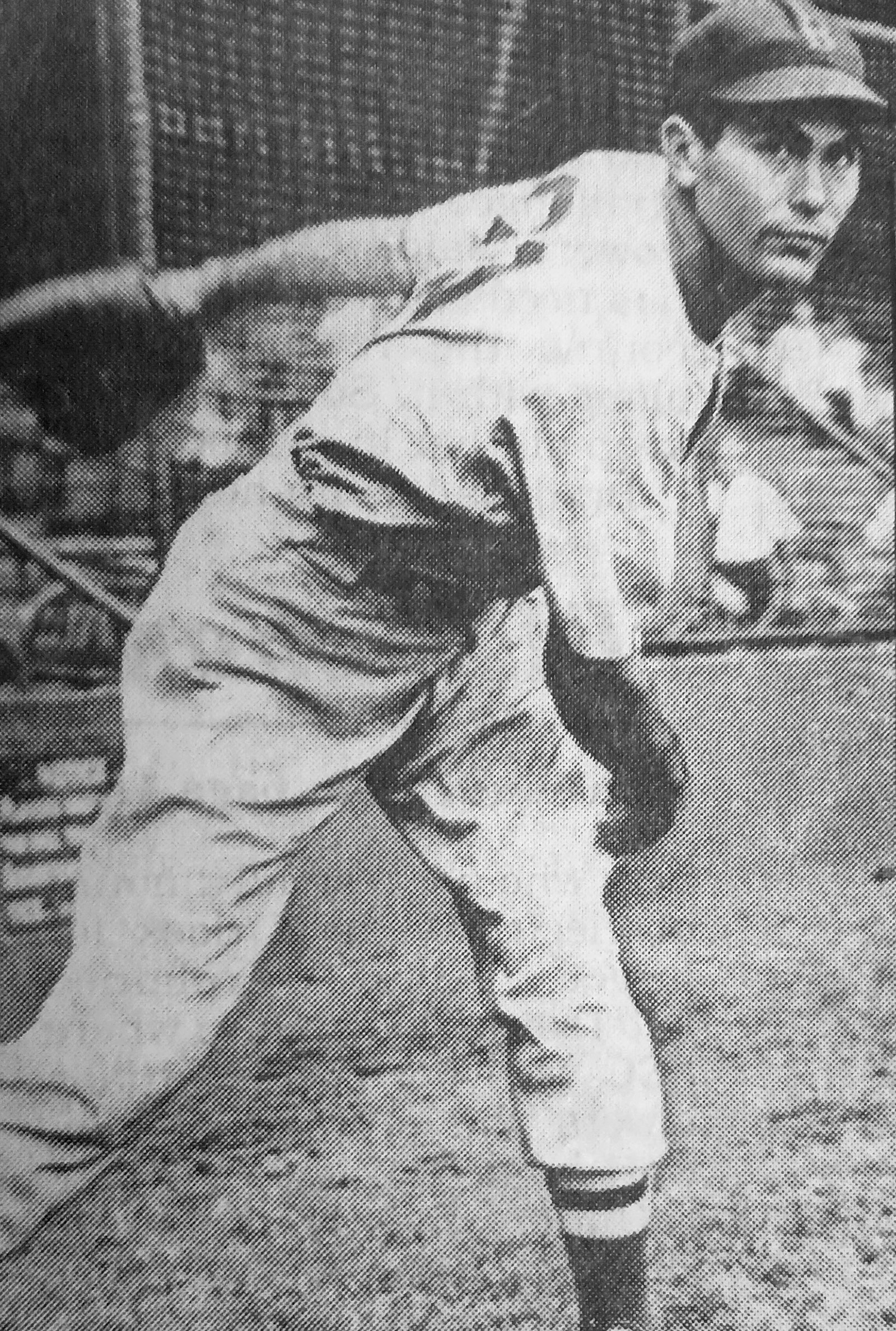
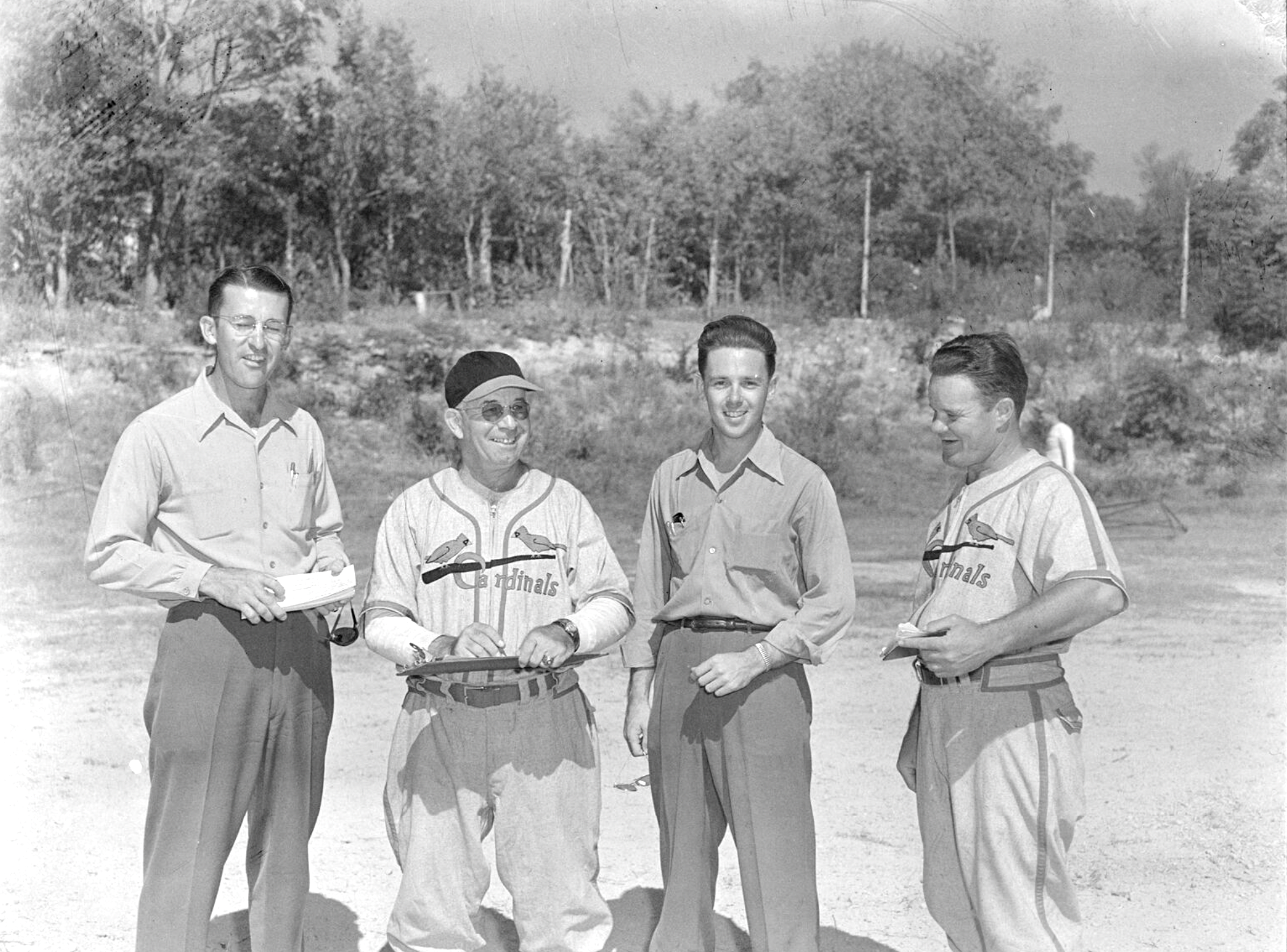
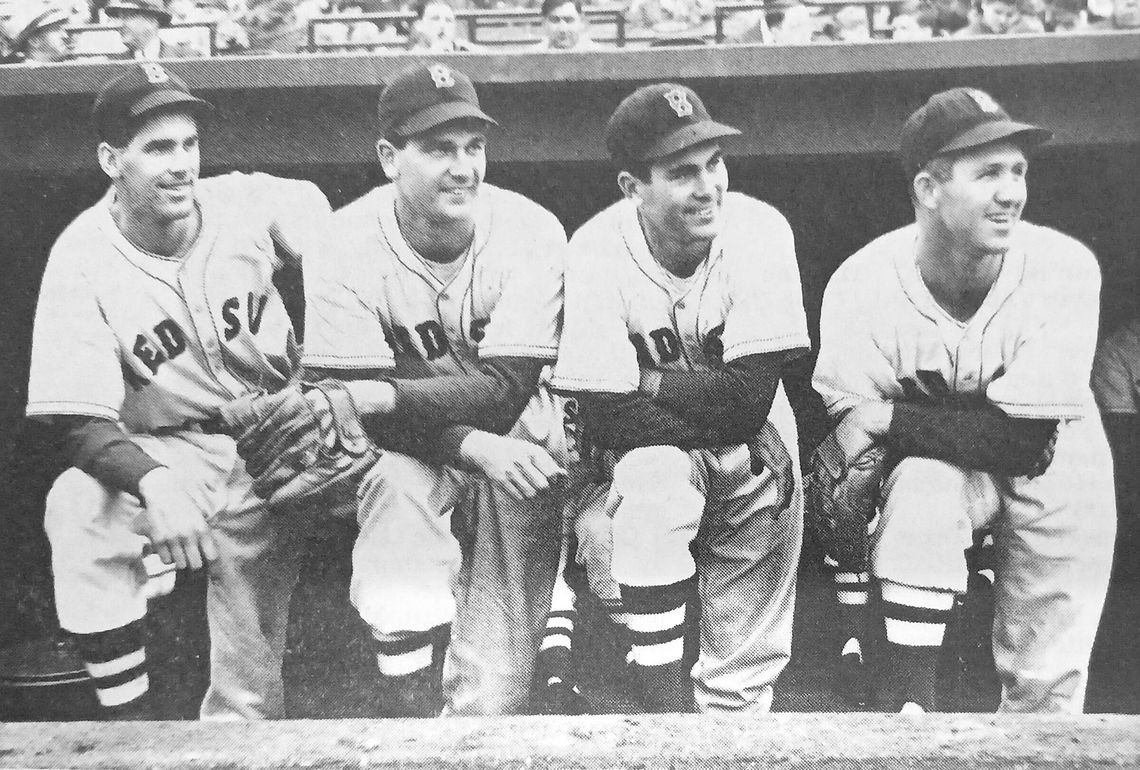
Born in Buda and a graduate of Kyle High School, Cecil Carlton “Tex” Hughson became a top major league player with the Boston Red Sox in the 1940s. Over five full seasons and three partial seasons with the Red Sox, he had a 96-54 record with a career ERA of 2.94.
“Arguably, he was among the top three pitchers in the American League during those five full seasons,” according to the paper by Renick, which also discusses Hughson’s post-baseball life in San Marcos, where he ran the Hughson Meat company for many years. He also founded the San Marcos Little League in 1952.
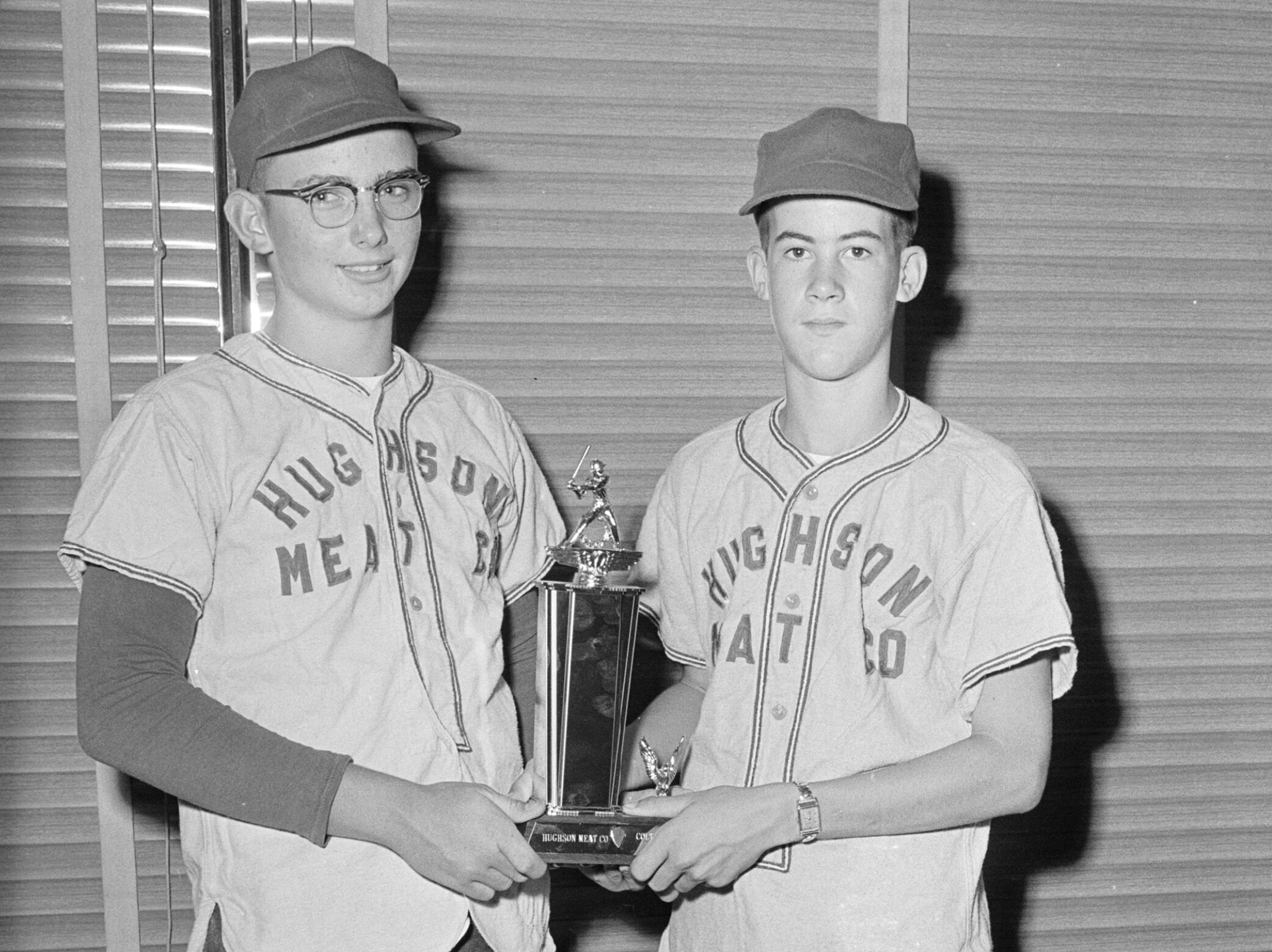
Hughson, father of current San Marcos Mayor Jane Hughson, was also the vice president of the San Marcos School Board in 1955 when he made the motion to integrate the school, which passed by a 4-3 vote.
The Civil Rights movement was one the many instances when baseball reflected, and at times anticipated, United States history, Renick said.
“In 1947, you have Branch Rickey and Jackie Robinson reintegrating the game, and that’s almost 10 years before Brown v. the Board of Education and close to 20 years before the Civil Rights Act of 1964.
“There are times when baseball, a very conservative, traditional game will step out and either be a leader in society and American culture or parallel what’s going on, things like labor management and strikes.” Renick said.
Scandals have been a part of baseball just as they have been a part of society at large, said Renick. From the “Black Sox” Scandal of 1919, when eight White Sox players were accused of intentionally losing the World Series, right up to the 2025 charges against Cleveland Guardians pitchers Emmanuel Clase and Luis Ortiz, who were indicted for rigging pitches, betting has always been part of the game.
However, Renick believes that most players, then and now, steer clear of gambling and game fixing. “I think most of the players can stay clean from these kinds of actions,” he said.
One thing the game should be concerned about is the rapid growth of online fan betting sites. “A Pandora’s Box has been opened by embracing betting on the internet and in gambling casinos…. There’s clearly a need for oversight on the part of ownership and the Commissioner’s Office and even Players Association.”
Statistics have always been part of baseball, but Renick believes that On Base Percentage (OBP) and Slugging Percentage are the two best gauges of a player’s performance.
“I think that all of the stats that are coming out of baseball now, in terms of things like launch angle, how hard the ball was hit and spin rates by pitchers, I think a lot of that is beginning to go too far.” As for Artificial Intelligence determining what player to start or put in a game or a specific situation, Renick said, “I hope it doesn’t come to that.”
One of the greatest appeals of baseball continues to be the human angle, the ability of the game to bring together children and their parents and grandparents, he said.
“Baseball can connect the generations. There’s an intergenerational facet to the game as well. You might have a parent that you have difficulty relating to, but you can relate to one another tossing a baseball.”
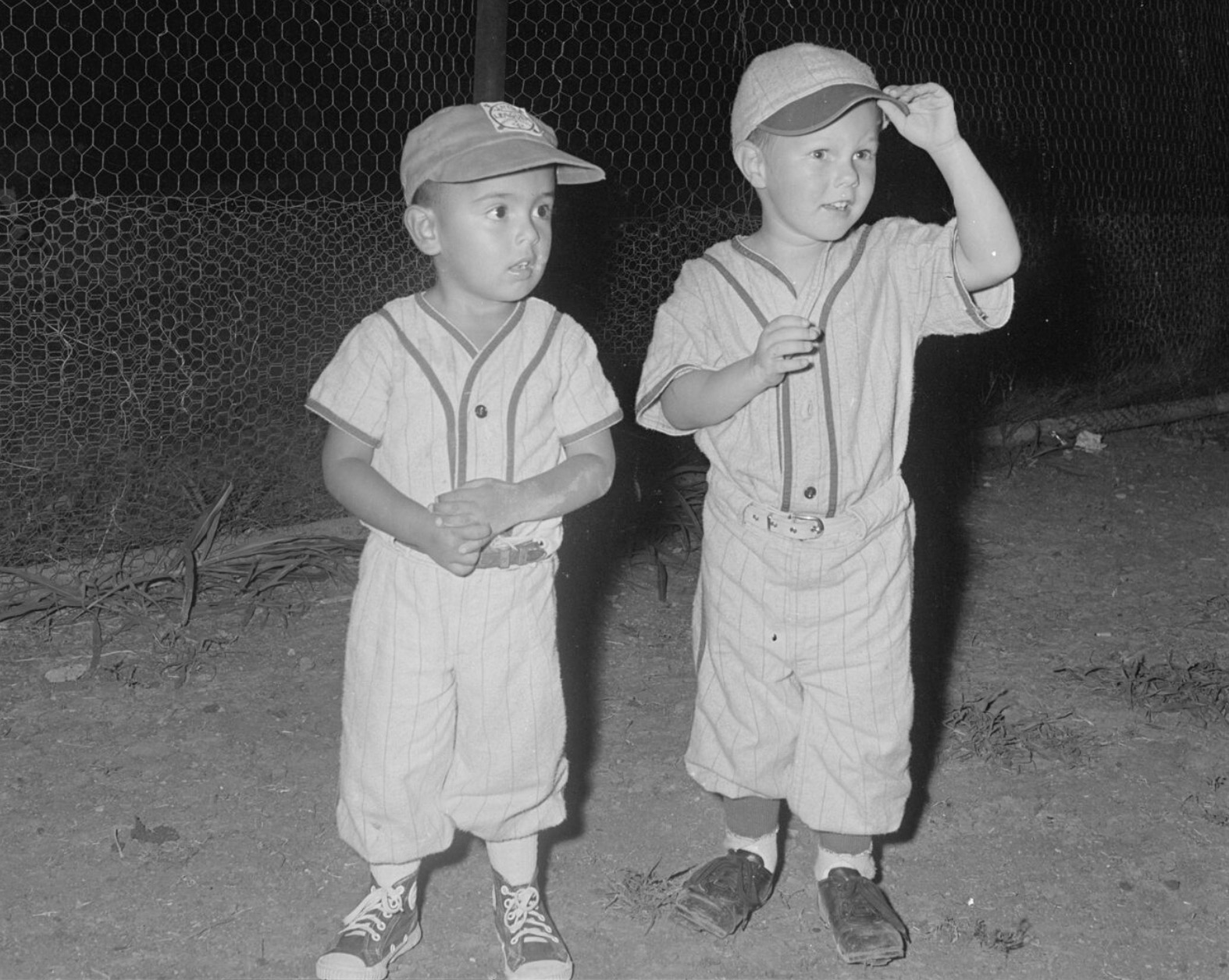
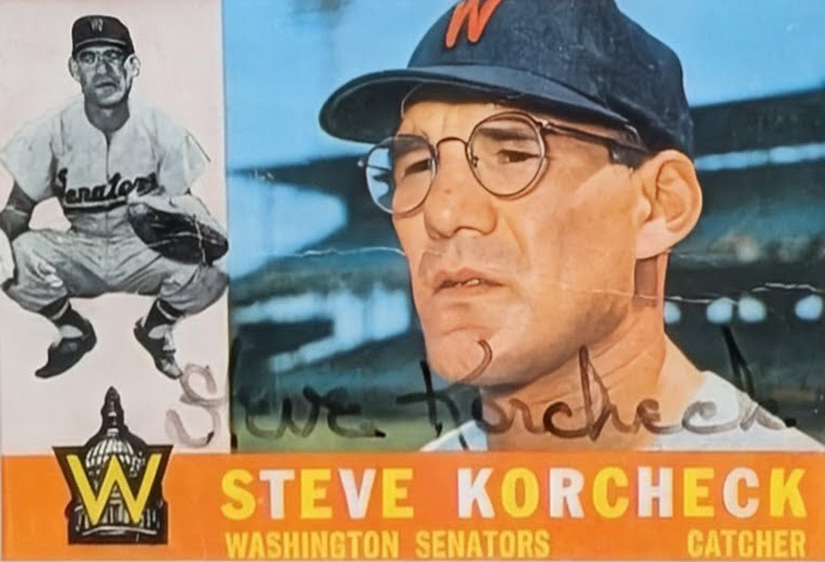
Among the most popular sports in America, baseball stands out because of the unpredictable drama of the game. Whereas the big moments in football and basketball often revolve around a star quarterback or a top scorer, heroes in baseball can come from anywhere on the roster.
“Baseball on a given day, you don’t know who the hero is going to be. If you look at dramatic moment after dramatic moment in the history of baseball games that are remembered the person who got the hit or got the out or made the play wasn’t, invariably, was not the best player on the team, Renick said.
“It wasn’t Michael Jordan, it wasn’t Peyton Manning. It might have been some guy who wasn’t even on the team the next year because he couldn’t make the roster, he was there at that moment and came through for each team,” Renick said.
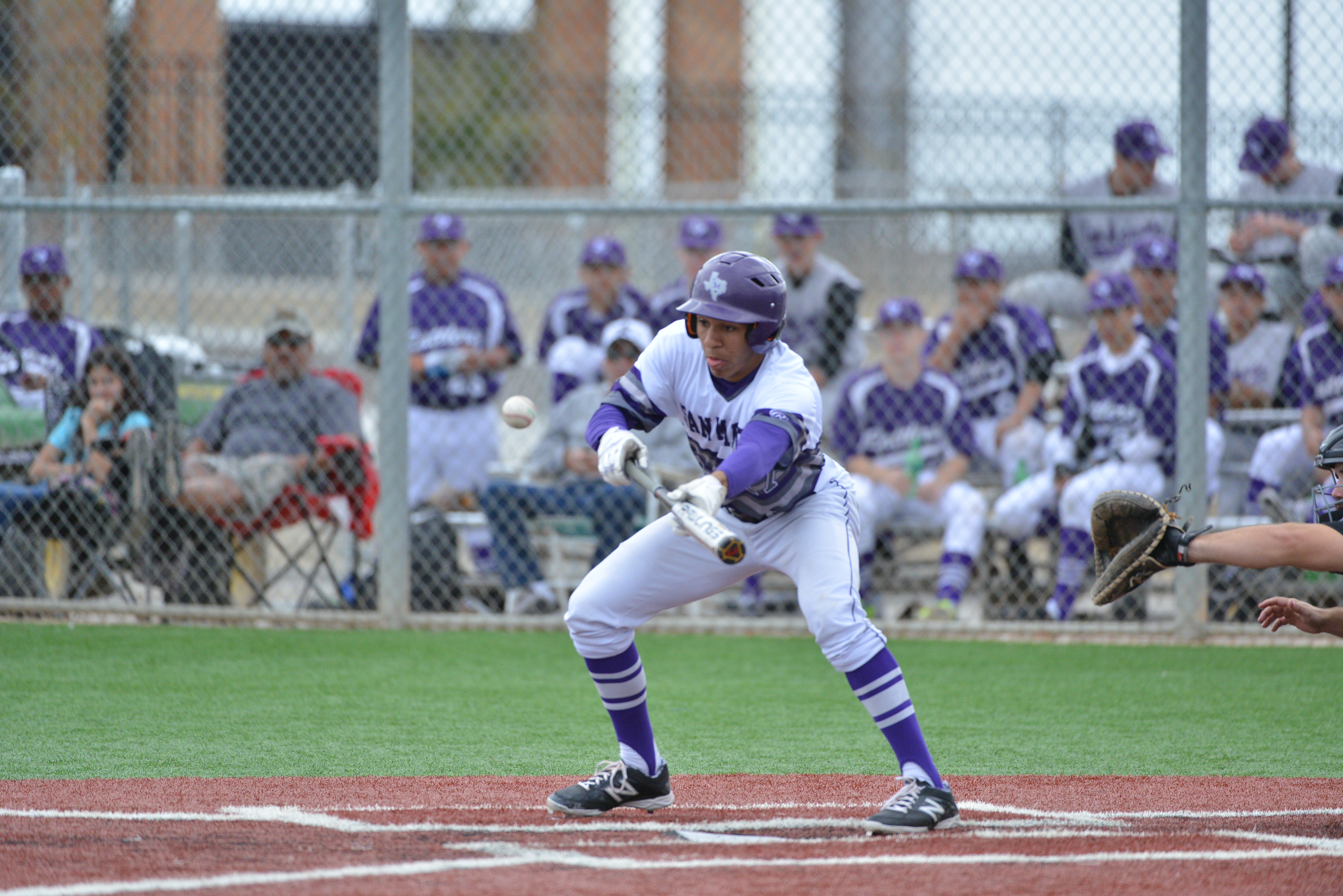
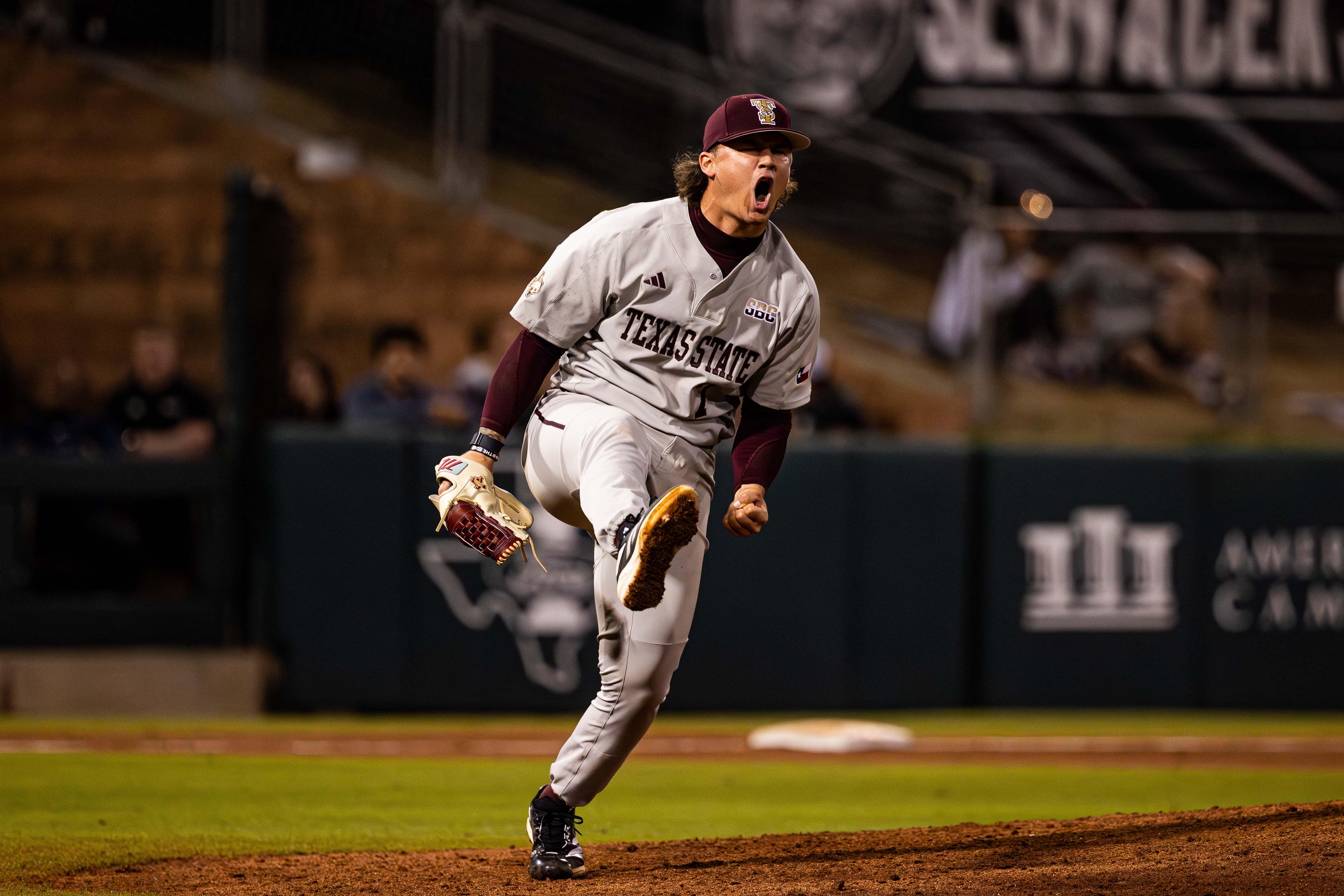
Texas State University has had a strong baseball program for many years, he said, one that can and often does surprise the titans of college baseball such as University of Texas - Austin and Texas A&M. The Bobcats defeated both of these teams in 2025.
“Texas State puts competitive teams on the field. They might on any given day, they might beat anybody,” he said.
This course at the library will be Renick’s first effort to condense his semester- long honors course down to six sessions. Each class will include one or more film clips and loosely follow a course outline. But he wants to improvise the content of each course according to the interests of the students.
“The outlines would be primarily to summarize the era that we’re looking at, not for me to go line-for-line through the material. I want to find ways to get into discussions with people.”
His co-presenter for the class will be Jeffrey Latimer, former student for the Texas State version of the class, who has played and coached baseball for more than five decades.
“He just loves baseball,” Renick said of Latimer. “And he knows a lot about the game. He’ll be my foil. If I get something wrong, he’ll correct me.”
The first class, “In the Beginning,” on Jan. 20 will focus on the years 1845-1920, starting with the invention of baseball by Alexander Cartwright, Jr. Subsequent classes will focus on the following time periods: Jan. 27: 1920s, 1930s & the Negro Leagues; Feb. 3: 1940-1970; Feb. 10: 1970-2000; Feb. 17: 2000-2010 & the Mitchell Report; Feb. 24: Baseball Today The courses will take place from 10-11:15 a.m. The location for the first course will be the Dunbar Recreation Center, while the rest will take place at the San Marcos Activity Center.
Registration at the San Marcos Parks and Recreation site is required. The fee is $35. To register, go to tinyurl.com/ymxabmeu
Official registration is set to close on Jan. 20, but people wanting to register after the start of class can can email lifelonglearn-ingsm@ gmail.com
To learn more about LifeLong Learning-San Marcos and see a list of upcoming courses, visit