Twenty years ago, a parent approached my old Scoutmaster, Charlie Hasbrouck, in the parking lot of Colonial Heights Presbyterian Church before a weekend backpacking trip on the Appalachian Trail, and asked him, “What will you do if it starts to rain?” Mr. Hasbrouck, who was a Korean War veteran with over 50 years of scouting experience, replied without rancor or cynicism, “Well, I guess we’ll get wet.” Mr. Hasbrouck didn’t believe in bad weather.
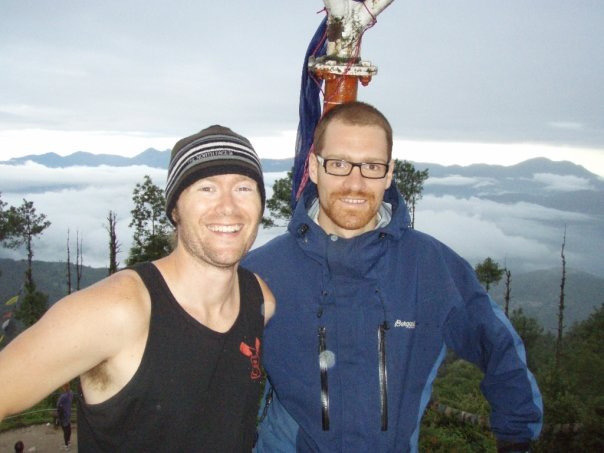
Ten years ago, I sat in the Hotel at the End of the Universe in Nagarkot, Nepal, and witnessed a similar conversation between a Norwegian trip leader and an American student. The Himalayan forecast had changed from crisp and clear to cold and rainy, and the American asked what the bad weather plan was, to which the Norwegian responded, “There is no such thing as bad weather, only bad preparation.”

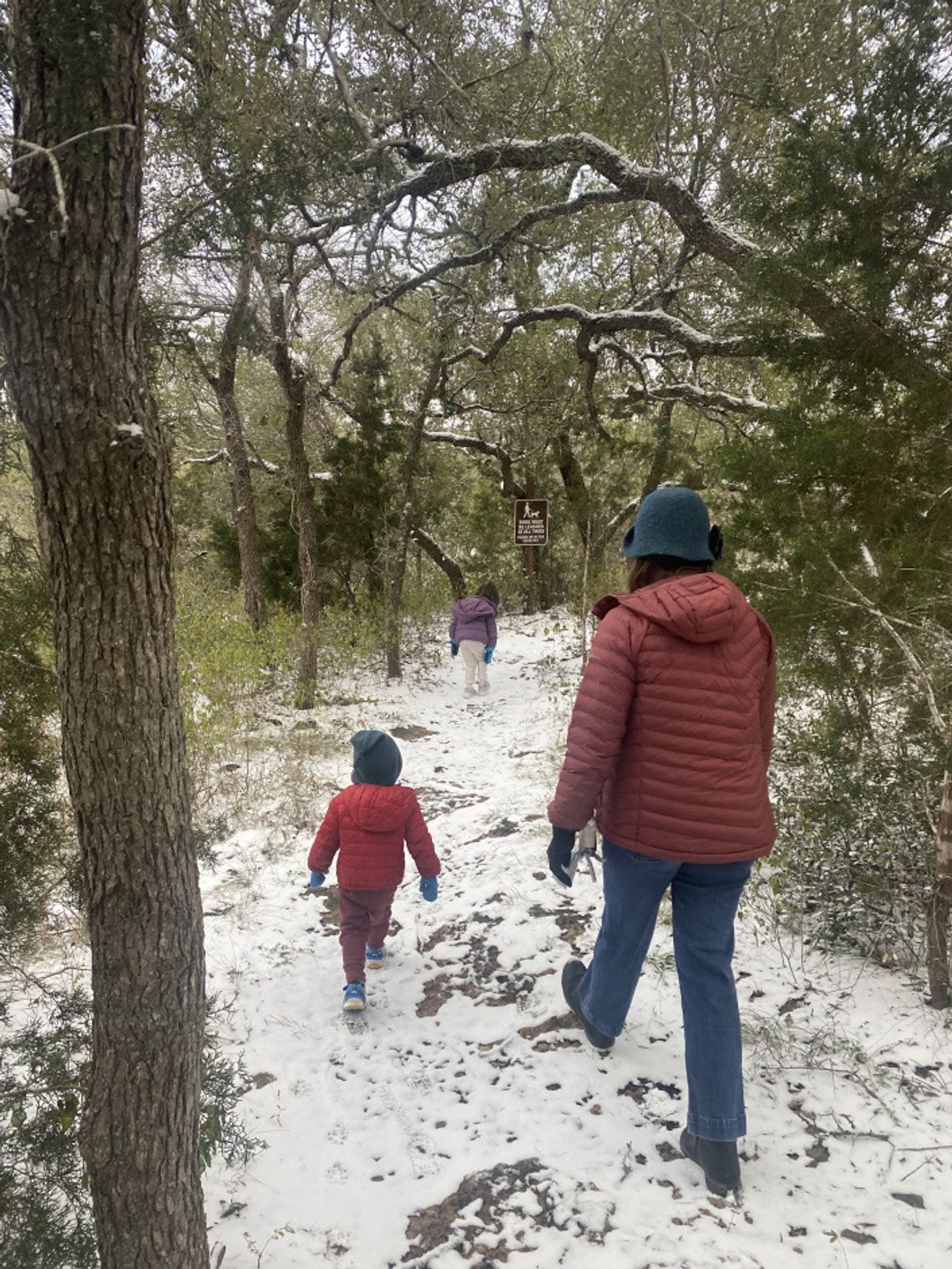
Both of those conversations have stuck with me, and in the decades since, I’ve tried to prepare better and cancel less due to weather. One of the unexpected benefits of living into this wisdom was that I frequently got trails to myself in conditions that revealed hidden treasures. It’s hard to say what constitutes bad weather in Texas—heat, cold, flood, drought? We get them all, but as we head into the chillier part of our year, here are a couple of tips on coldweather hiking to keep you out on the trails, discovering the joys of stillness and the beauty of starkness.
Cover up: Heat loss comes from exposure, so instead of buying the Arctic Expedition fullbody puffy coat, try a knit hat and some gloves. An old Army experiment from the 1950s said we lose 30% of our body heat through our heads, and although it’s been proven that number is more like 10%, our heads remain the single most exposed part of our body. You’ll feel warmer longer with your ears tucked under a warm layer of cotton blend.
A good pair of gloves is hard to find, and not just any pair will do. They need to be warm enough to merit the hassle and nimble enough to grip a hiking pole, answer the phone, or unfold a map. I’ve found trail-running gloves to be the perfect combination of warm merino wool, touchscreen-compatible finger pads, and grippy silicone palms. $50 seems like a lot for this thin pair of gloves, but they are worth every nickel (since pennies are going out of circulation).
Keep drinking: Dehydration comes easier during winter hikes because breathing dry air carries away more moisture, cold weather suppresses our thirst sensation, and sweating under moisture-wicking base layers is less noticeable, so be sure to keep drinking water and electrolytes all throughout your hike.
Winter is also a great time to carry a thermos full of quality calories. While hiking in Nepal, we stopped at every Tibetan Buddhist monastery on the way up a mountain to join the monks and fill our thermoses with butter tea–a mix of tea leaves, yak butter, barley, and salt. It’s an acquired taste, but at 300 calories a steaming cup, it nourished and warmed us against the cold, thin air. I don’t try to recreate that mix here, but a thermos full of bone broth (or veggie broth if you prefer) has the same fortifying effect on chilly treks through the Texas Hill Country.
Some of my best hikes in Texas have come in January and February, so don’t let a little frost or cold keep you cooped up inside. There is no bad weather, only bad preparation.