NONPROFIT
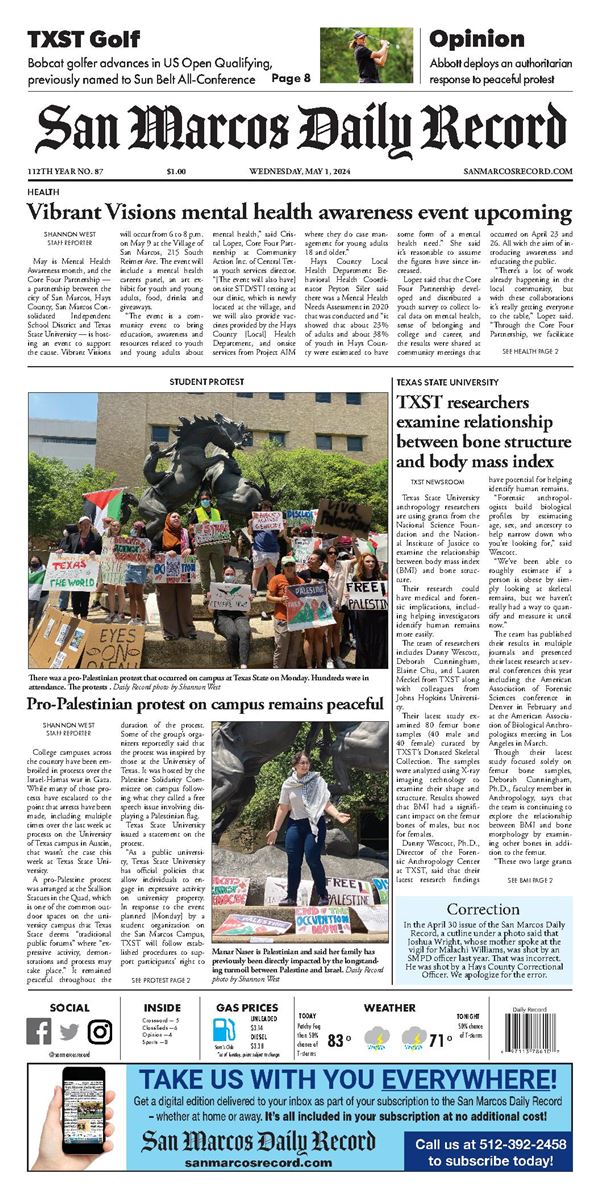
History, advocacy and today’s political climate were the topics of discussion that accompanied great food, drinks and camaraderie at the annual LBJ Museum Gala held on Jan. 17.
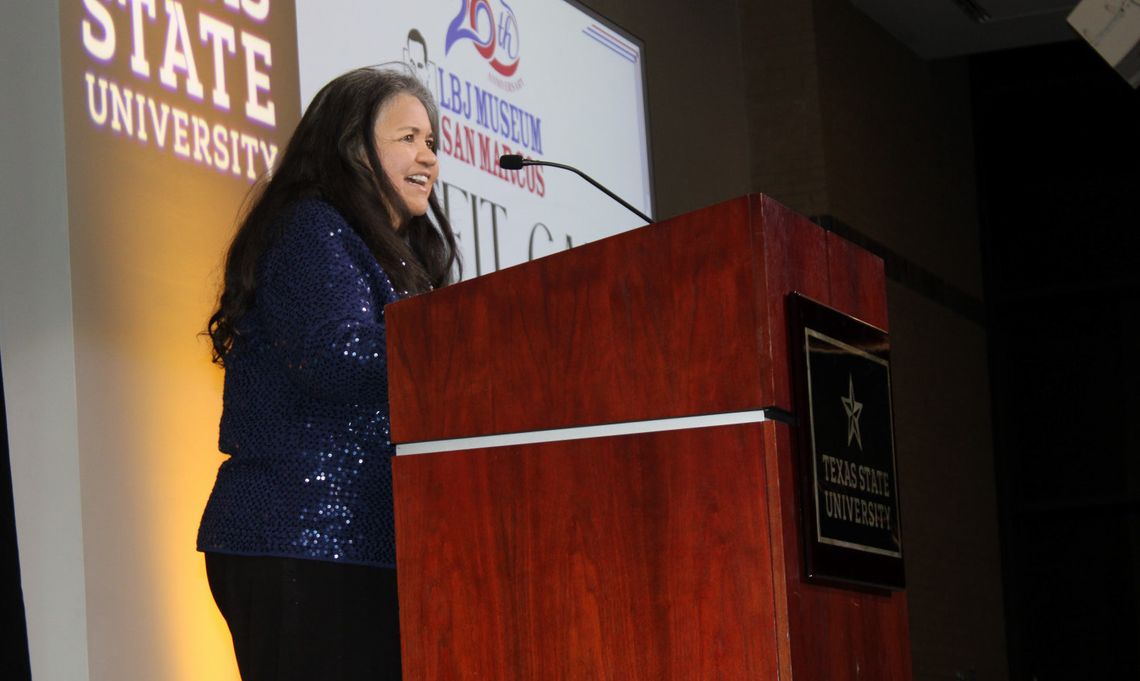
Norma V. Cantú, an American civil rights lawyer and professor, was the keynote speaker for the event. Her accomplishments are numerous. She had previously served as the first Latina chair for the United States Commission on Civil Rights, on Joe Biden’s presidential transition agency review team, and as the Assistant Secretary of Education for the Office for Civil Rights.
Wayne Kraemer, LBJ Museum Board president and Texas State University’s LBJ Debate Society director, introduced Cantú and said a few words about the namesake of the museum, Lyndon Baines Johnson, who was also active in the debate scene on campus.
“Lyndon often said that his training as a debater made him a more effective public servant and enabled him to be a steadfast advocate for others, and we’re proud to carry on that tradition,” Kraemer said. “Public advocacy, critical thinking and critical speaking are vitally important in maneuvering through the interesting political climate of today.”
Kraemer said he believes that museums are “guardians of time” that allow people to treasure, respect and remember what is important to the soul.
“I believe we created a space that honors Lyndon in that way. It also makes us mindful of the issues that were important to LBJ’s soul, that are still being debated and talked about today — poverty, education, civil rights, voting rights, discrimination, immigration and all the other components of the Great Society,” Kraemer said. “An individual who’s continually standing as a guardian for these programs is our speaker tonight.” Cantú told a story about being in a Vietnam war protest at 16 years old when her teacher’s car broke down in the middle of the crowd, making parallels between that political climate and today’s.
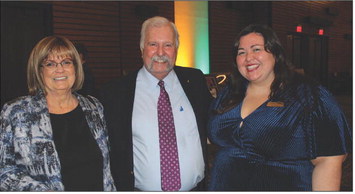
Pictured is LBJ Museum Manager Debby Butler, Board President Wayne Kraemer and Assistant Manager Deana Piñales.
“People spoke up, voted and were organized at that time, and they’re doing it again now,” she said. “I feel proud of that. I’m proud of the LBJ Museum, defending us on our First Amendment, defending us on truth-telling and defending us by having us remember our histories.”
Cantú discussed her time as a chair on the U.S. Commission on Civil Rights, which was established by LBJ. The commission is balanced with four Republican and four Democratic representatives.
“It has been working since 1967,” Cantú said. “They use that model of having balanced committees, bipartisan groups, to run the things that matter.”
Cantú said she has some concerns about the current political climate. She pointed to the fact that a current chair on the U.S. Commission on Civil Rights, Rochelle Garza, received a letter from the White House requesting she resign five years before the completion of her seven-year term.
“I’m concerned about the commission,” Cantú said. “Already the President has a target on her back because he knows that he wants her to step down and give him the ability to appoint someone to chair for seven years from now.”
Cantú said she is also worried about the Voting Rights Act, and the changes that could be enacted from the federal and also local level, a lack of funding for education, as well as maternal health care.
“I was married, and I was pregnant. Two days before her due date, my baby died, and I had to deliver a child that was already dead,” Cantú said. “So I personally have skin in the game as far as fighting for maternal health care, and I’m concerned that Texas numbers are scary among African American women.”
Cantú is also concerned about immigration policy. “We have a court case pending that has to do with the state being able to do even more about immigration,” Cantú said. “They can arrest and detain without having to even contacting the feds to do that.”
But Cantú has hope for the future, citing the “Pendulum Effect,” in which a sharp sweep to the right will be followed by one to the left.
“The American public is smarter than we give them credit for. They did listen in their civics classes. They do know that there are three branches of government, and they want those branches to work. So trust in them. Don’t bad mouth them,” she said. “I’m positive that the three branches of government are a sound theory. It’s lasted 250 years. It’s working.”
Cantú is hopeful that, in the future, the Bill of Rights will not only survive but be improved upon.
She ended up by having the entire room repeat the words of Barbara Jordan after her: “I am a whole person. My belief in the Constitution is whole. I will still be here at the next census. And I’m still here today.”
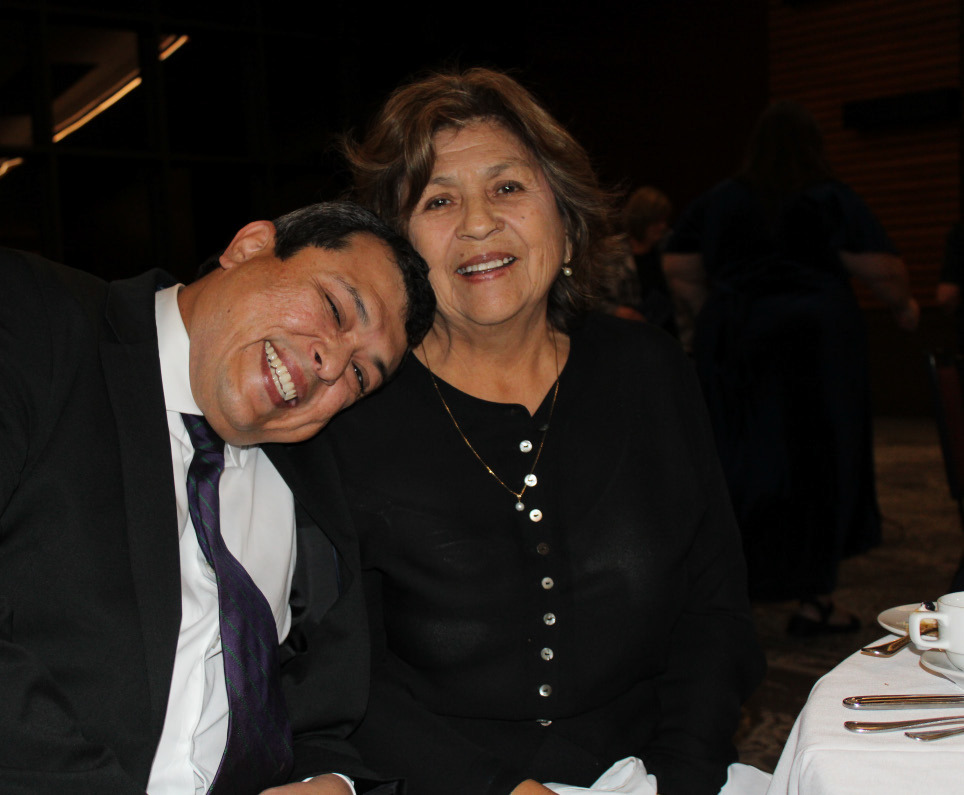
City Council Member Matthew Mendoza poses with his mother, Ana Mendoza.
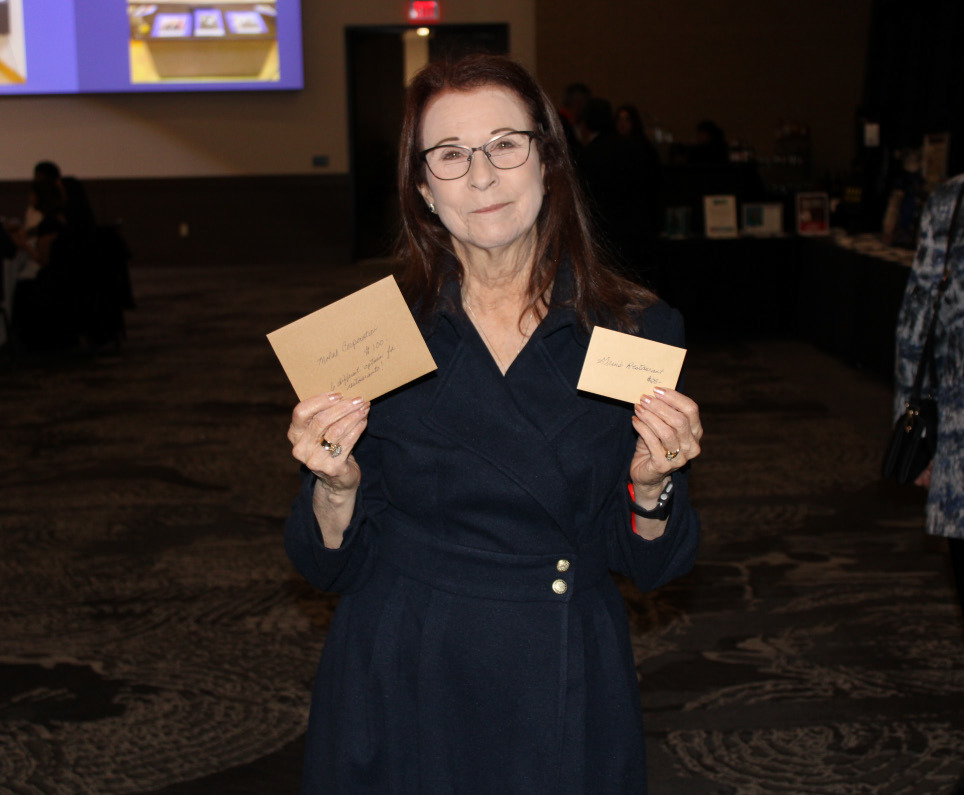
Pictured is San Marcos Mayor Jane Hughson, who had just bid on an item for the silent auction.

Pictured is Michele Burleson, Planning and Zoning Commissioner and Vice President of the Calaboose Museum board.
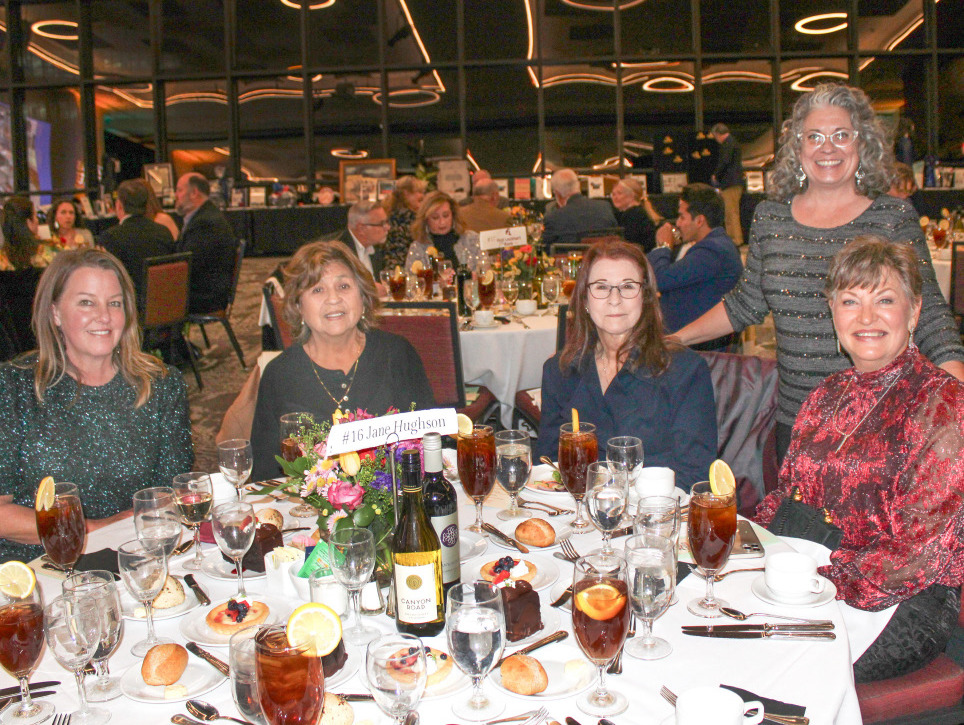
Pictured are Heather Demere, Ana Mendoza, Jane Hughson Kama Davis and Marsha Moore.
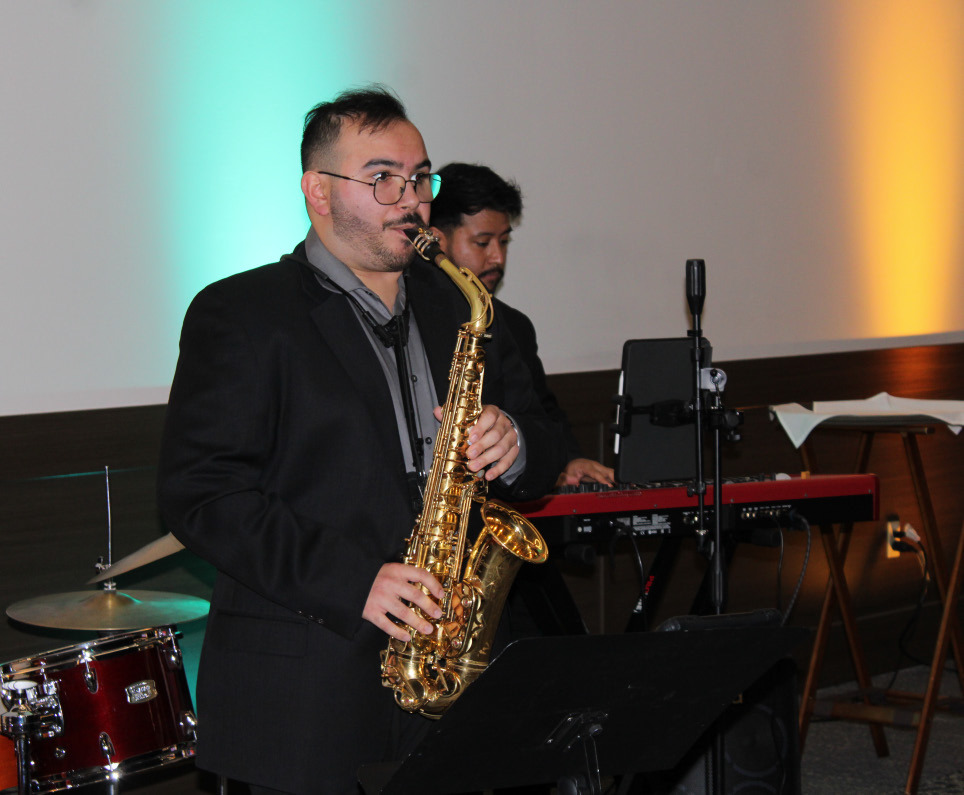
There was live music during the event.
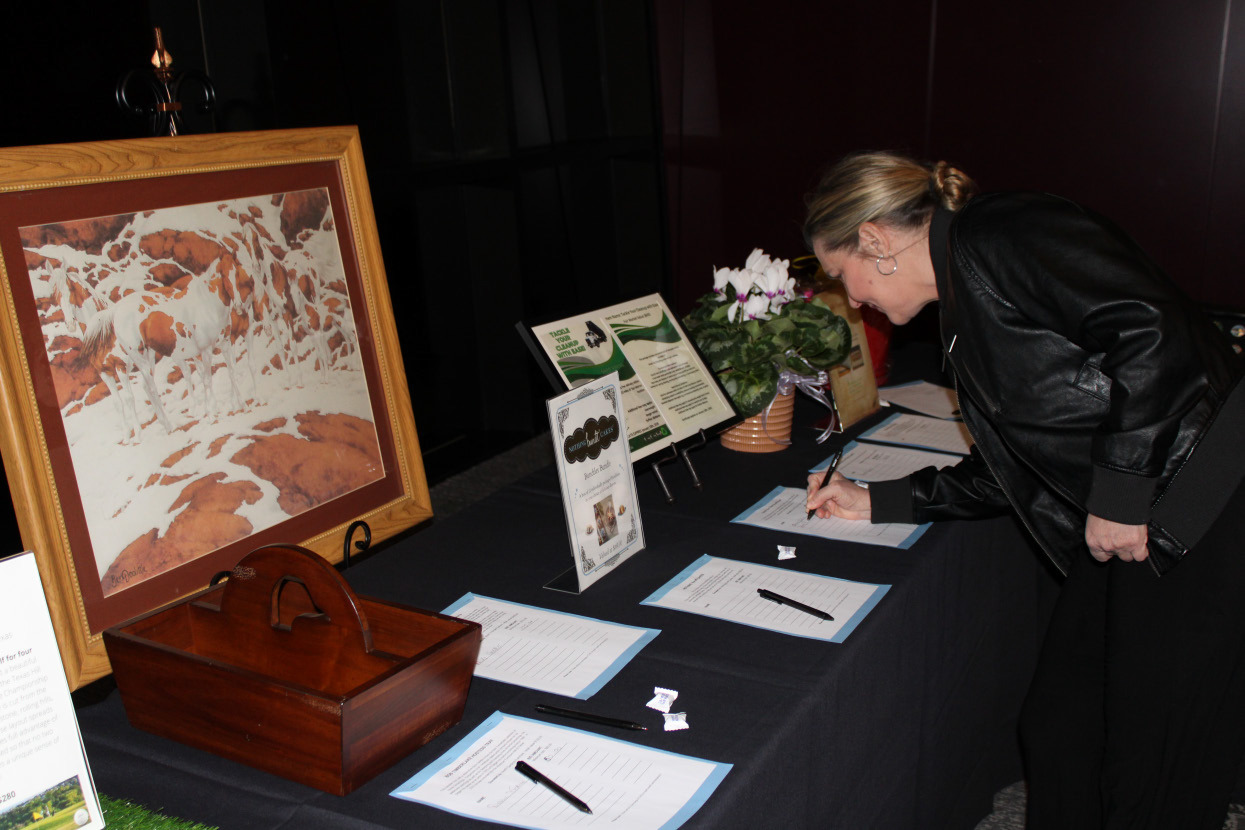
Amy Ledbetter-Parham peruses the auction items.
Michael “Zark” Markowicz, LBJ Museum board member, had his sauce up for auction.