LIVE EVENTS
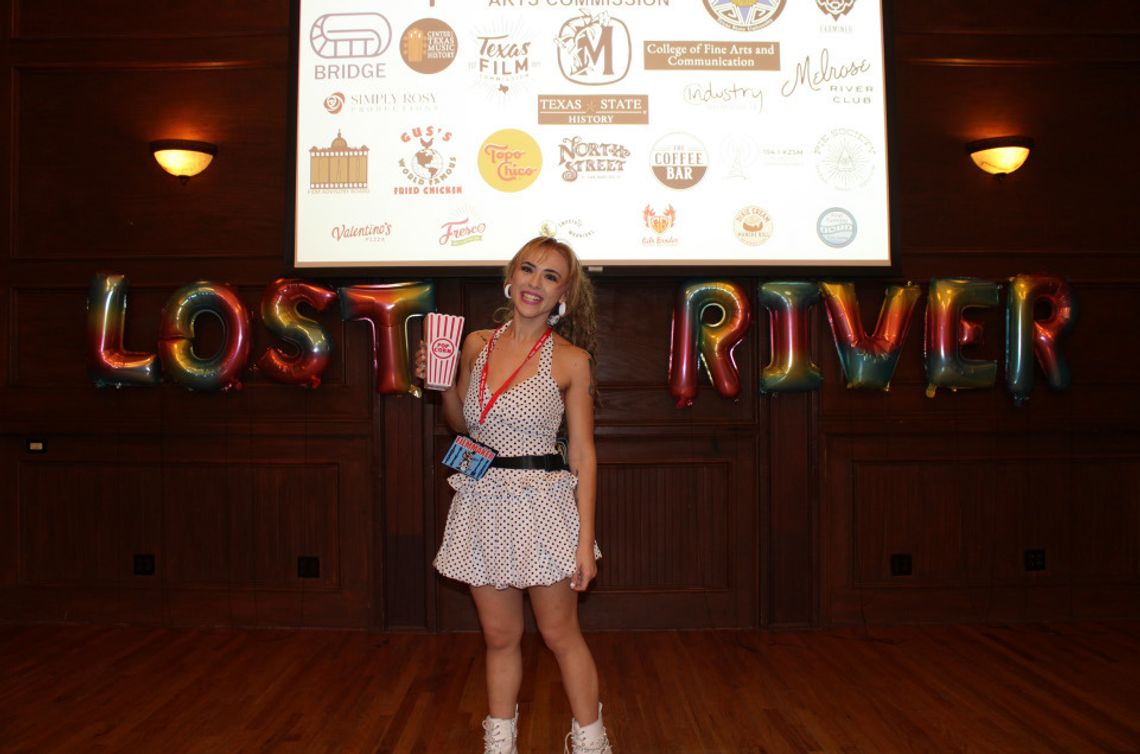
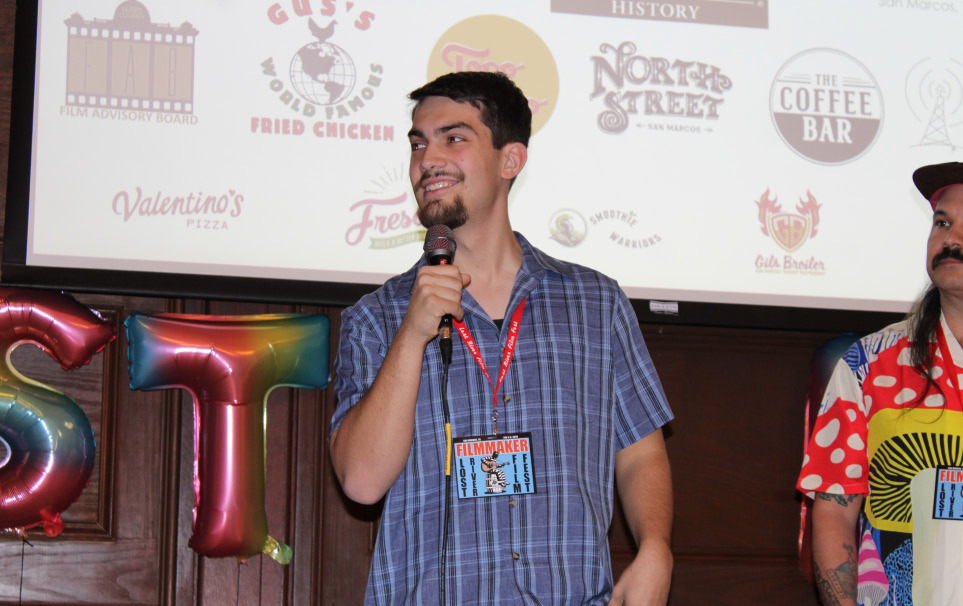
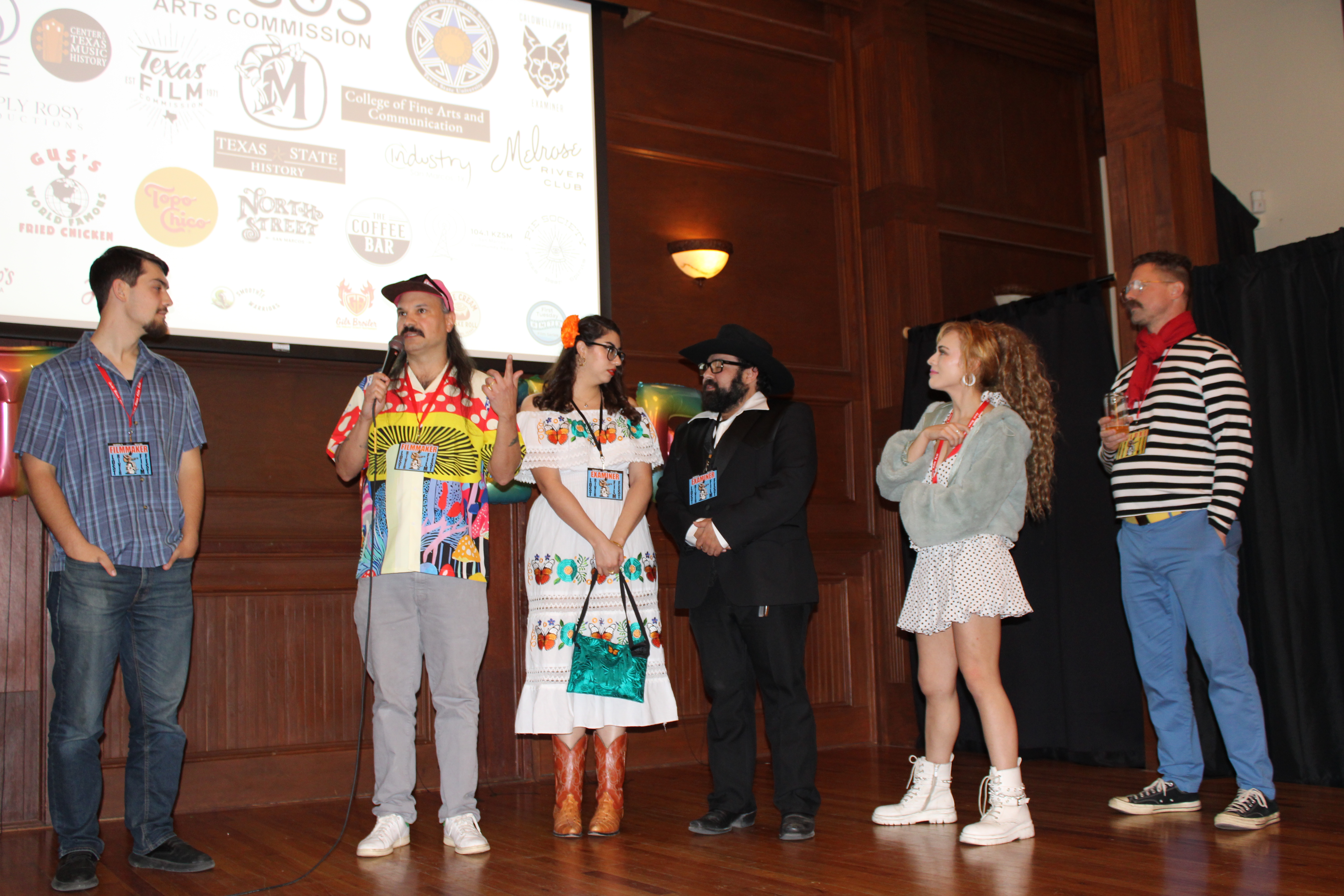
February kicked off with a cinematic treat for film lovers: a weekend brimming with bold, independent films of every genre at the annual Lost River Film Festival, presented by the nonprofit publication Caldwell Hays Examiner at the Price Center and Texas State University.
The event had a variety of time blocks, each showcasing unique films from various genres, one of which featured narrative shorts made in the U.S. Each piece was vastly different from the next, which created a delightful smorgasbord to satisfy any taste. There was also a question-and-answer session at the conclusion where some of the creators discussed their work.
The segment began with a music video by Austin-based artist Anna Madewell that was directed by Zac Witte called “Cheeto Puff.” The video had classic pop themes with cuts between a dance sequence featuring the artist and two other dancers in chairs all wearing vibrant red, as well as a scene in the underground tunnels in Austin. The bright colors, quick cuts and tight shots were visually pleasing and kept the audience entertained.
Witte gave insight into the process, saying that match cuts, which is an editing technique in which two shots are connected through shared elements, helped smooth any mistakes in the choreography, which was learned in a very short period of time, and it helped make adding cool lighting elements more affordable.
“We did match cuts, where we filmed it all with one light set up and then filmed it the other way,” Witte said.
Madewell said the song was inspired by a diary entry by her sister about a guy that “did her dirty.”
“This song, it’s about revenge,” Madewell said.
“Ballad of the Man That Once Was” by Sebastian Rivera-Mendoza was a scene from a bar in which a man visits with another patron, having a seemingly pleasant conversation. The piece has an abrupt twist for an ending when the two men toast “to love” before one of them gets shot in the head.
“Angelito” by Brent Peterson was a tear-jerking tragedy about two families tied up in gang violence. Angelito’s older brother is in a gang, and he aspires to be like him, dubbing himself the “Angelito de Muerto,” or Angel of Death. Told through two different characters’ perspectives of the same events, the piece seems to highlight that the gangster lifestyle only has one outcome — death.
“Trim the Barley” by Joshua M. Thomas was a strange horror flick with a comedic twist. Some youth doing a photoshoot get caught up with a cultish group of kids, who oppose their presence in their sacred fields of barley. The unfolding of events culminates in a hilariously unorthodox fight scene, complete with fake blood and expertly crafted prosthetics made to look like amputated limbs.
“Up(lifting)” by Kaden Wittig follows the main character on his fitness journey, beginning alone and weak and ending with community and both mental and physical strength. Wittig said his father is a fitness trainer and bodybuilder, so this was inspired by the gym culture that he has been immersed in his whole life.
“Weekend at Maury Island” by Bradley Wilkinson was the sole animated film, about two couples who are surprised by a fleet of extraterrestrials during a vacation. The film was inspired by reports of a UFO at Maury Island in 1947 and Wilkinson’s own viewing of one. A hilarious alien dance scene ends with them dumping trash from the UFO into the Earth’s ocean, calling it a “trash planet.” One could speculate that it highlights the ways in which humans treat Earth.
Wilkinson said he’s a self-taught animator who began around 12 years old making stop motion and flip books. He’s worked with other creators on most of his projects, aside from “Weekend at Maury Island.”
“It’s the first one I made totally on my own. Usually, I work with writers and stuff like that,” Wilkinson said. “But I decided that I was going to try it on my own, and it’s actually been doing kind of well for myself.”
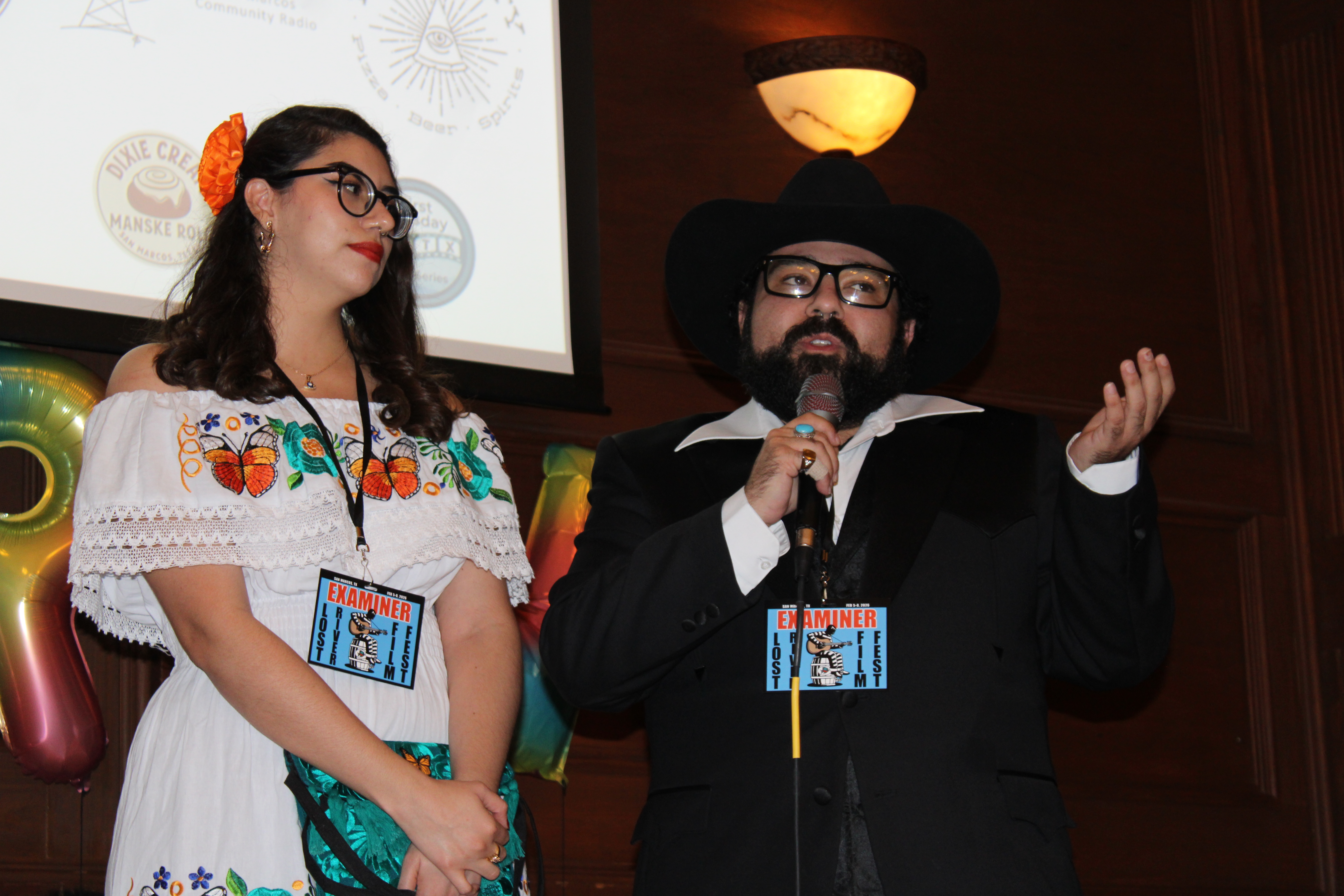
“Un Abrazo Del Otro Lado” by Omar A. Casas Jr. and Laura Daniela Martinez celebrated Hispanic cultural beliefs related to ancestral guidance. The main character embarks on an arduous journey, led by the family members that came before her. There is a beautiful church scene where she is crying while several spirits sit behind her as she grapples with the feeling of being lost. There is also a scene in a cemetery that Casas said was his ancestral cemetery dating back to the 1830s.
Martinez said the story was inspired by the ICE raids, the Los Angeles Riots and the “No Kings Day” protests, and she used a lot of symbolism throughout the film.
“We filmed at La Lomita chapel mission, which is directly behind the [Rio Grande] River, so it’s a hot spot for immigrants crossing over,” Martinez said. “They stop at the church, and they light a candle. And they don’t know if they’re going to make it, so I’m using that as a symbol of hope.”
“Capturada” by Isabela Paiao is a heartwarming story of a grandmother who begins online dating after her husband dies. The grandmother tries to take alluring pictures for her new beau, but is unhappy with the outcome when her daughter and granddaughter walk in. Initially upset, the two begin to empathize with her, eventually helping her take the perfect sexy picture to send her online date, seemingly understanding that the old woman wants to move forward with her life while she is still able to.
“Yellow Brick Road” by Sofi Dawalibi was about a rebellious teen who is sent to work and live on her Aunt’s farm as a punishment. The two bond as the niece realizes that her aunt is a rebel in her own right, asking if she can stay. The Aunt refuses her because she wants her to have a different life than she did, but the shot when she drives away shows the Aunt crying. Before she goes, her Aunt imparts on her a powerful lesson about mindset, telling her that until she fixes what is going on in her head, everywhere she goes will be a punishment.
Learn more about the festival at thelostriverfilmfest.org.