SAN MARCOS EVENTS
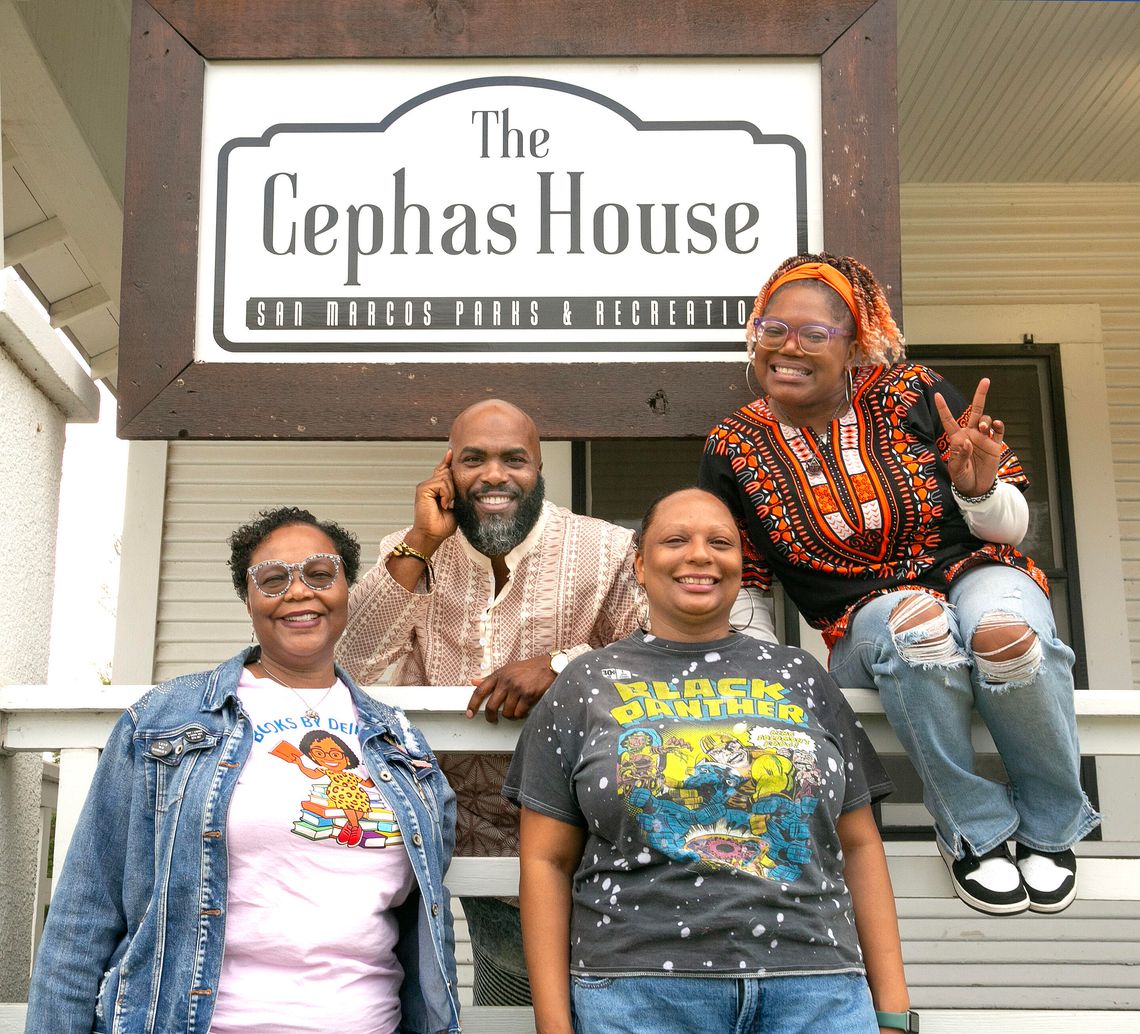
The Cephas House hosted an African American Read-In and an Afrofuturism presentation on Feb. 21 in celebration of Black History Month. The day featured San Marcos students reading essays about their favorite Black authors and Texas State professors discussing the cultural roots and ongoing prevalence of the Afrofuturist movement.
The first National African American Read-In was started in 1990 by the Black Caucus of the National Council of Teachers of English in 1990. A “Read-In” can be held in any school, library, home or church, and these are sponsored by educators who are NCTE members.
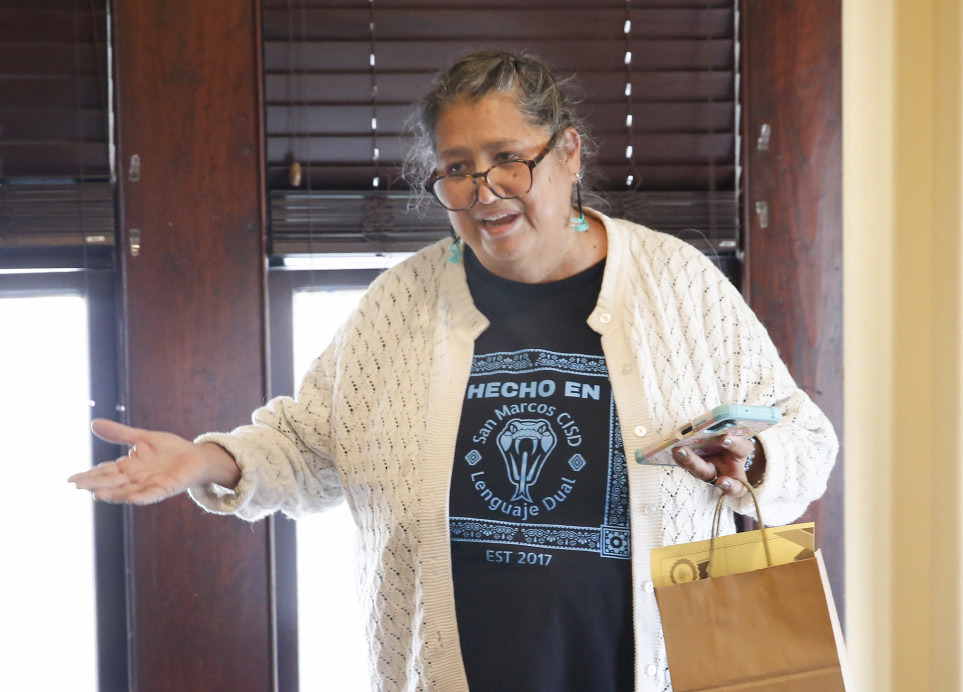
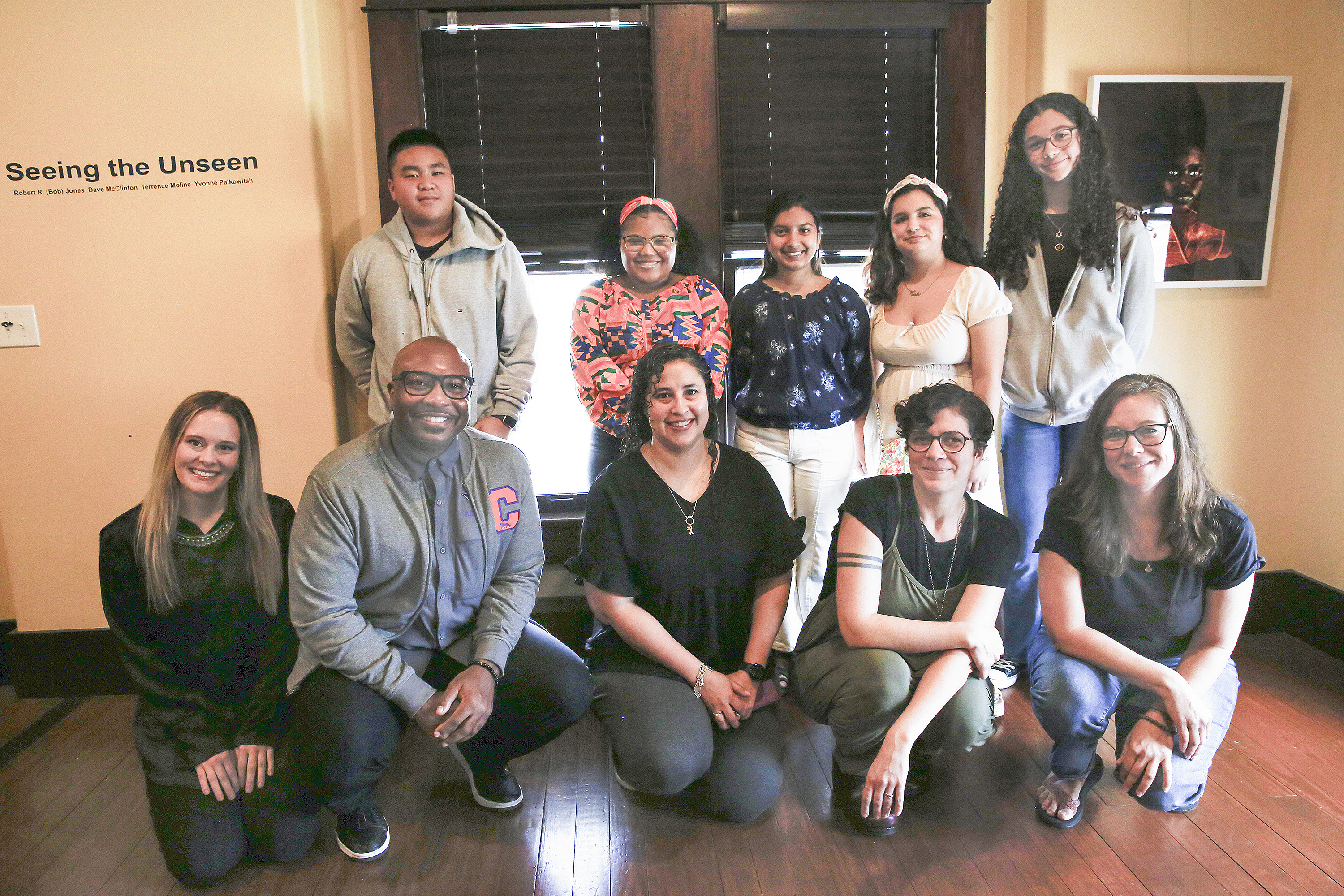
Diana Garcia, De Zavala elementary teacher and board member of the Calaboose African American History Museum, hosted the Read-In for the third year in a row. Essay contests for previous years were limited to elementary school students, but this year, contestants were junior high and high school students. “I sponsor a writing contest to encourage young people to read, write, and to feel the excitement of reading a great book,” Garcia said. “I was very impressed by the books they picked and how they wrote about them. … The students’ essays were great!”
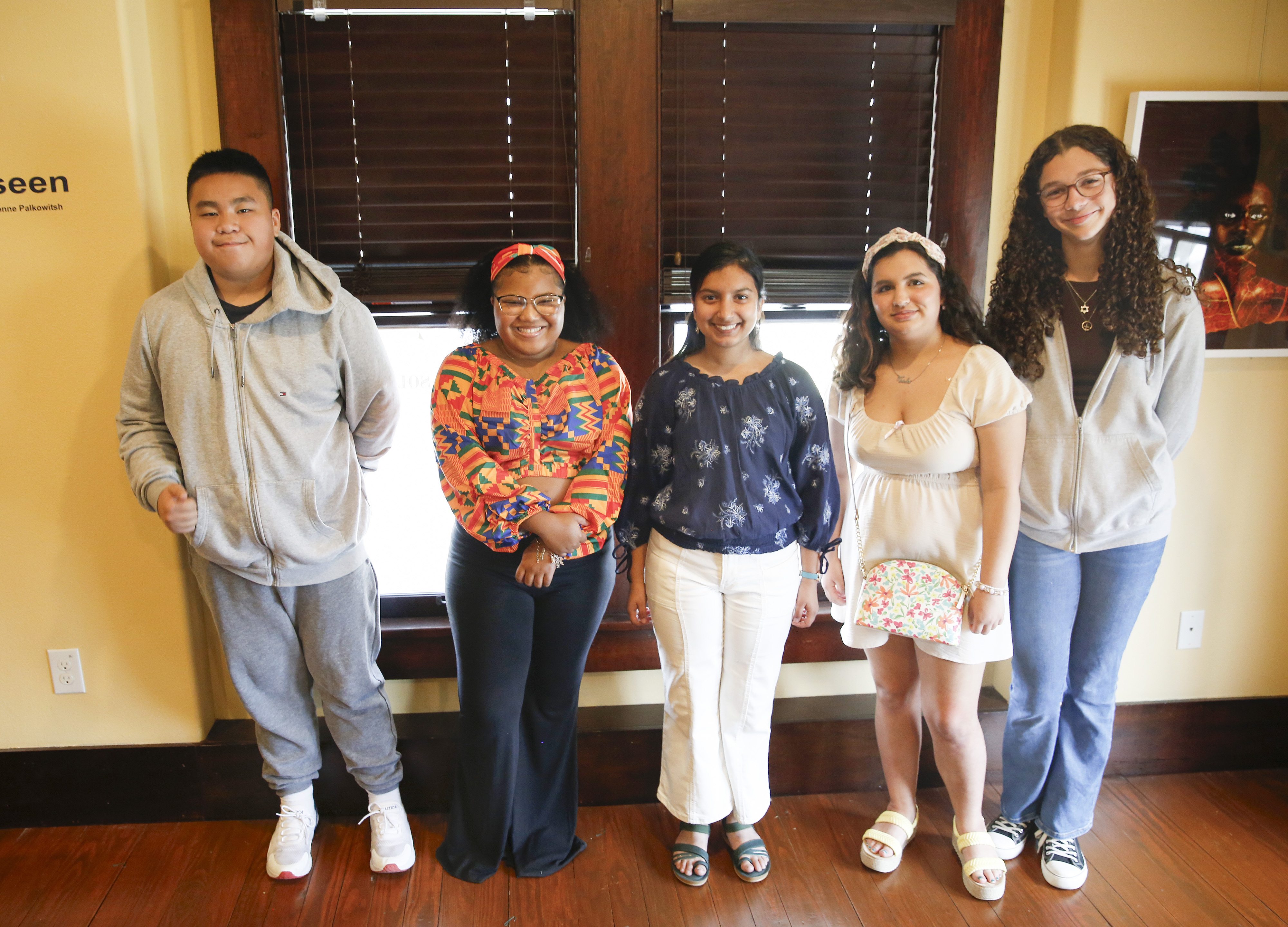
Junior high winners for the essay contests (and the authors they wrote about were): Andrew Pham (young adult author Jason Reynolds) and Irabati Banerjee (science fiction author Nnedi Okorafor).
Andrew said in his essay that he enjoyed reading Jason Reynolds because the author was funny, relatable and liked sports. He also identified with the shyness of certain characters in Reynold’s books, and their efforts to fit in with their peers. And like these characters, Andrew was able to overcome his shyness.
“Reading this book was quite fun, very enjoyable and different from my regulars,” Andrew said. “We did everything we could without ever giving up, which means you should never give up.”
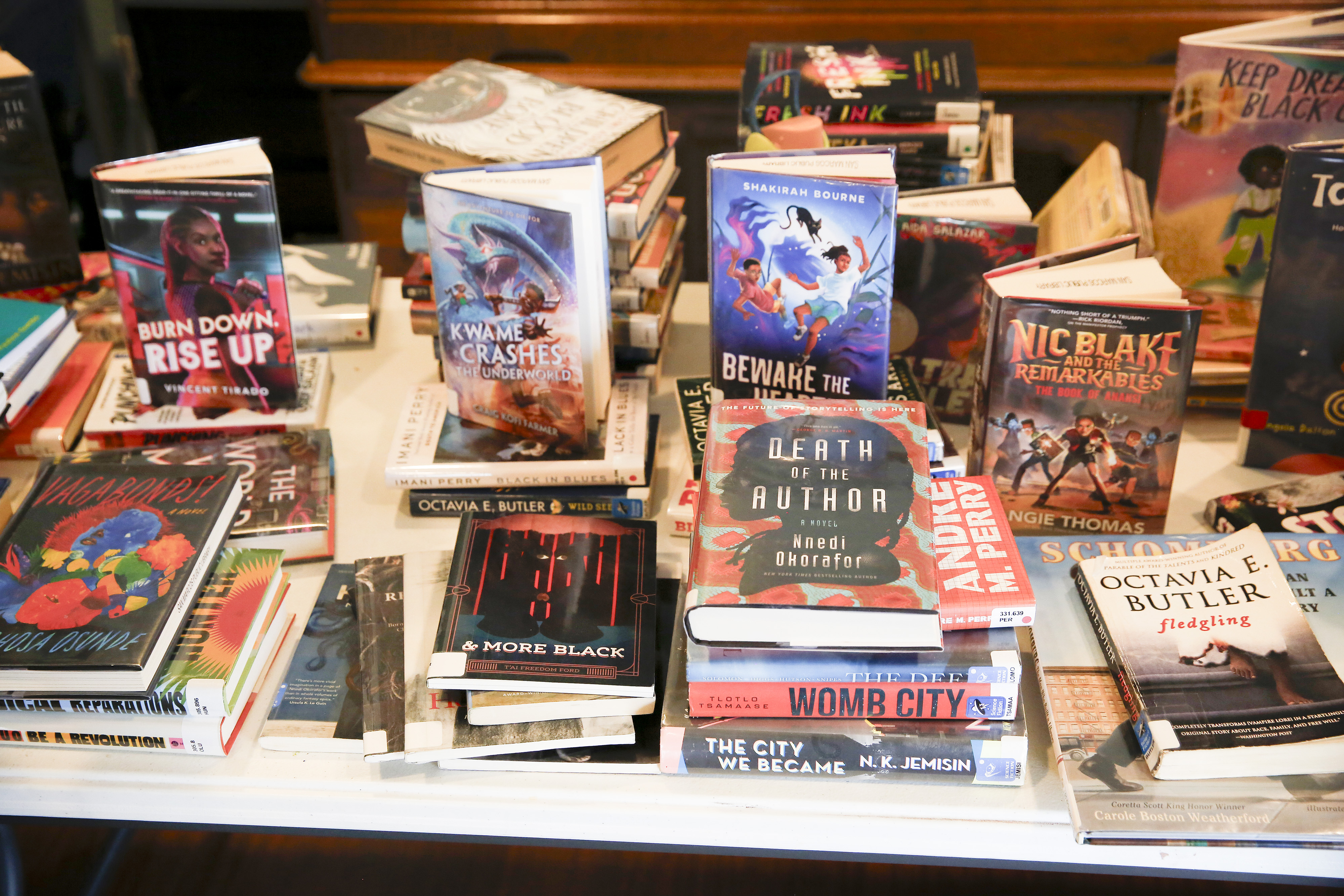
Irabati said she liked the way Nigerian-American writer Okorafor incorporated folklore stories into her writing, offering a different perspective from more traditional science fiction authors.
“This book is important because it introduces stories of West African magic and Nigerian myths, breaking away from the tradition of writing Eurocentric fantasy,” according to Irabati’s essay. “Since I belong to two different traditions, Indian and American, this book inspired me to connect more with both of my cultures.”
Essay winners from San Marcos High School were: Natalia Villanueva (social reformer Frederick Douglass), Kiearri Mullins (slam poet Rudy Francisco) and Olivia Grobowsky (poet Maya Angelou).
Natalia focused on Frederick Douglass’ fight to get an education, and the importance of that education to his career as a reformer.
“The author’s writing impacted me because it made me understand the reality of slavery and how hard it was to escape,” according to Natalia’s essay. “In the book, you will learn about slavery and the power of literacy and education as freedom from the perspective of a former slave.”
Kiearri’s essay emphasized the forthright message of Francisco’s poetry.
“Francisco’s writing is also powerful because it speaks the bare, painful truth. He does not avoid difficult topics like racism, police, cruelty or death. … Francisco ensures that his message is easy to understand but hard to forget. … I love this book more than any other because it’s a call for awareness, empathy and change, not just poetry, storytelling or readings,” according to Kiearri’s essay.
Olivia’s essay discussed how Maya Angelou has been a major influence in her life.
“Maya gave me the confidence to be my own person, to be phenomenally original, to inspire others in my life. Her poems have touched so many more people than just me. … without Maya, we wouldn’t be who we are today.”
Crystal White, a creative writing teacher at San Marcos High School, taught all three of the high school essay winners. She said she encouraged them to enter the contest, but let them make their own choices about which authors to write about.
“You could hear them slow down and really own the words that they had written on the page,” White said. “And it brought a lot of joy to see them share how inspired they are by the literature that they have been reading.”
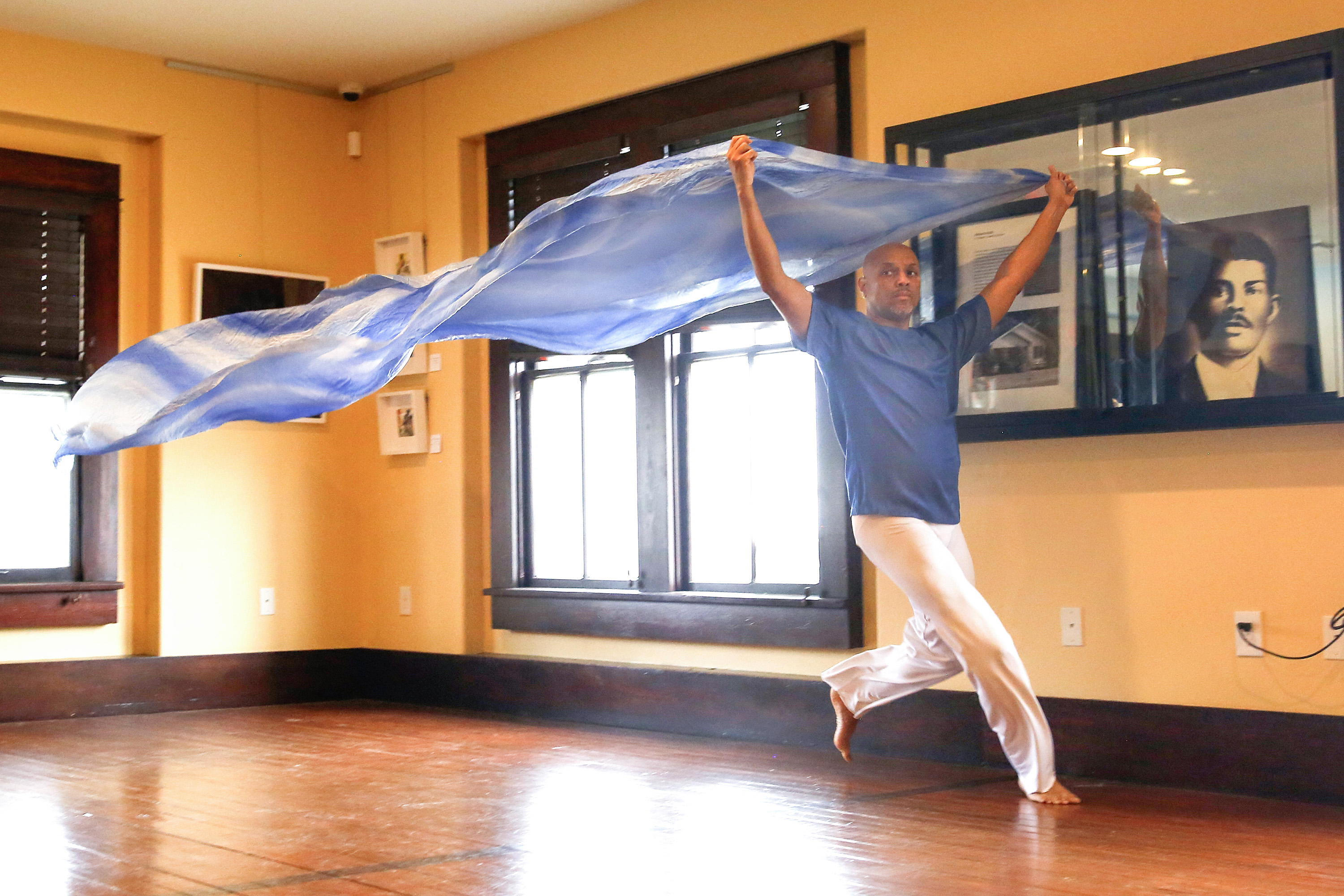
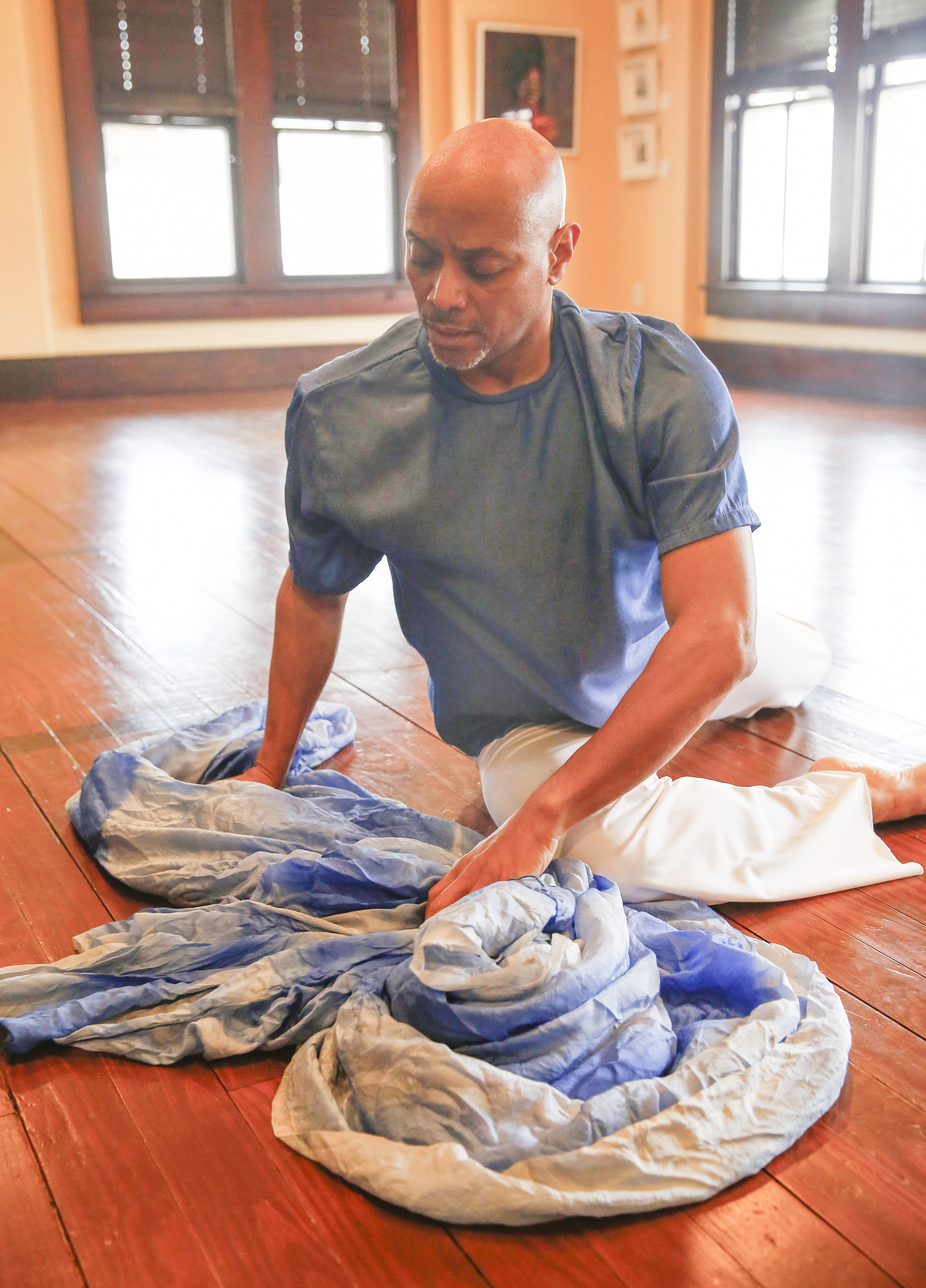
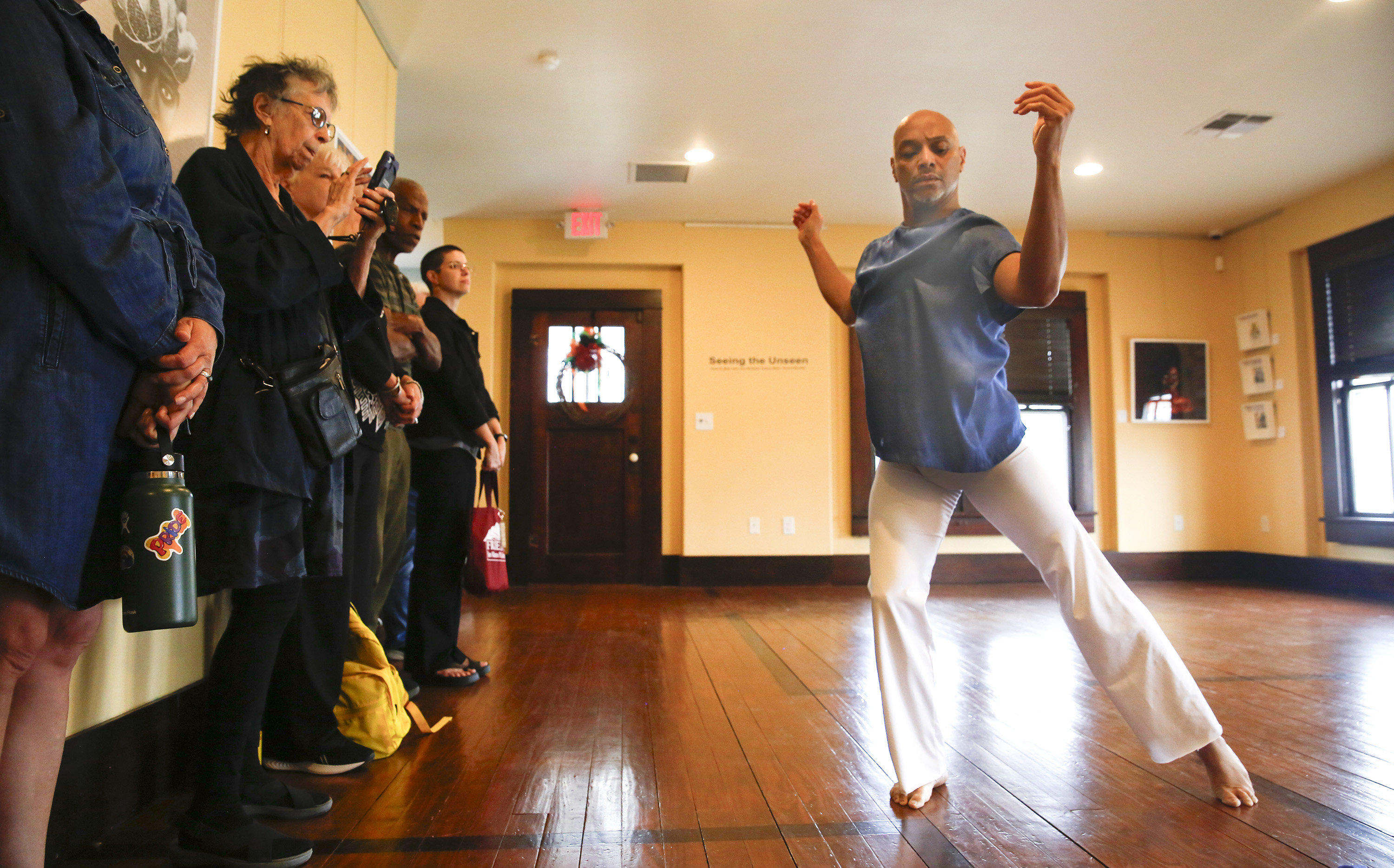
Following the Read-In, Cephas House volunteers cleared the chairs out of the main room to make room for a solo dance performance by former Alvin Ailey dancer and current Texas State dance professor Torens Johnson.
The piece that he performed, choreographed by Stephanie Powell, was dedicated to Dudley Williams, one of the first Alvin Ailey American Dance Theater performers.
Blackhistorymonth.org states that Alvin Ailey, who founded the dance company in 1958, is “a titan of dance, cultural change, and champion of inclusivity…. This was more than just a dance company; it was a cultural institution dedicated to preserving the uniqueness of African-American cultural expression and sharing it with the world.”
Johnson said that the dance he performed was a tribute to Williams’ style and dance techniques.
“Dudley Williams was famous for wearing scarves around his neck at the Ailey school in different ballets that he performed in, he was always throwing that scarf around his neck…. So when you see me doing certain movements. They are movements pulled specifically that Dudley was famous for doing in the ballet. … He is a black history icon.”
Following the dance performance, Christian Hines, Assistant Professor at Curriculum And Instruction, College of Education, kicked off the Afrofuturism presentation with a definition of the term.
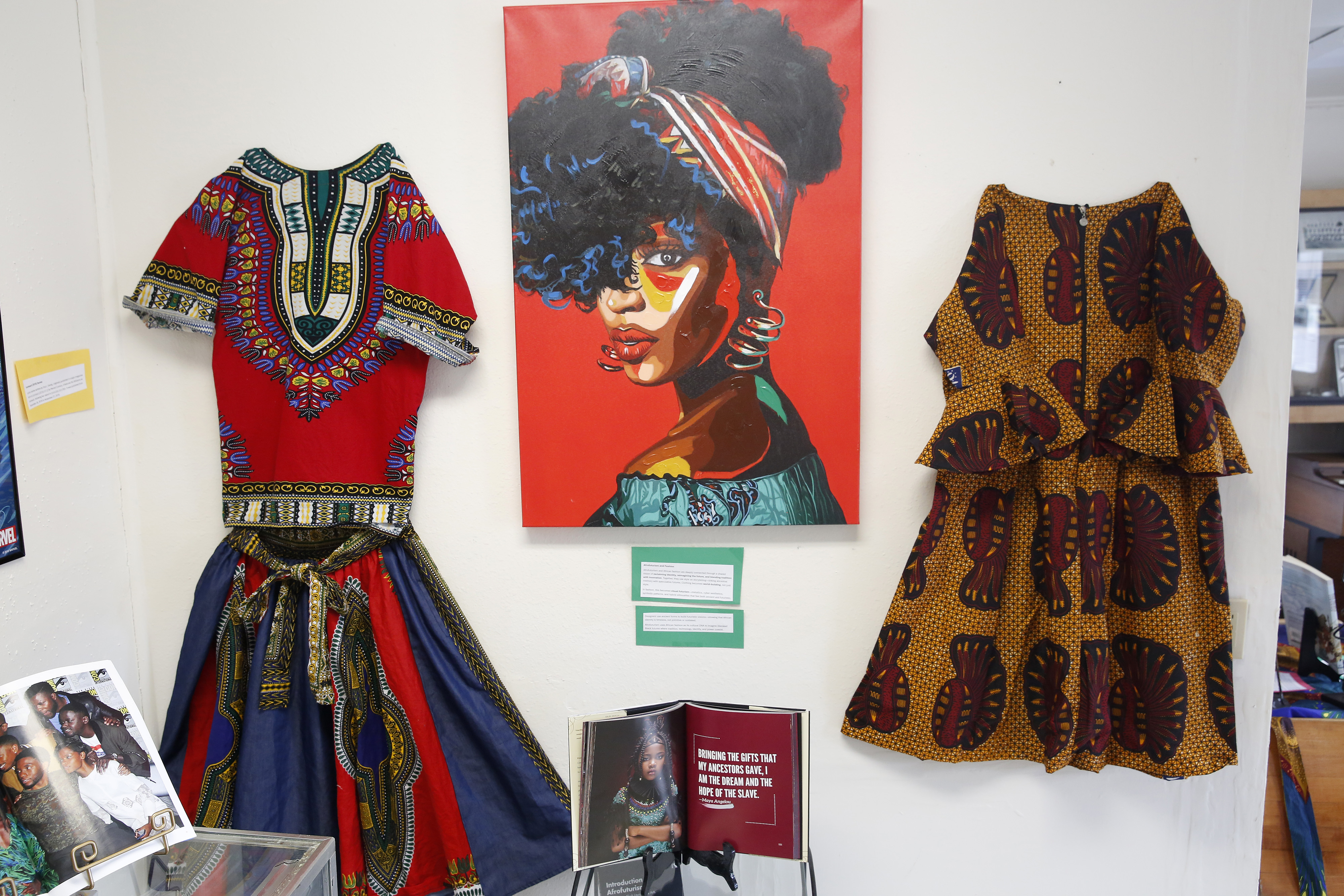
“A cultural style that combines science-fiction, history and fantasy to explore the African-American experience and aims to connect those from the Black diaspora with their African ancestry.”
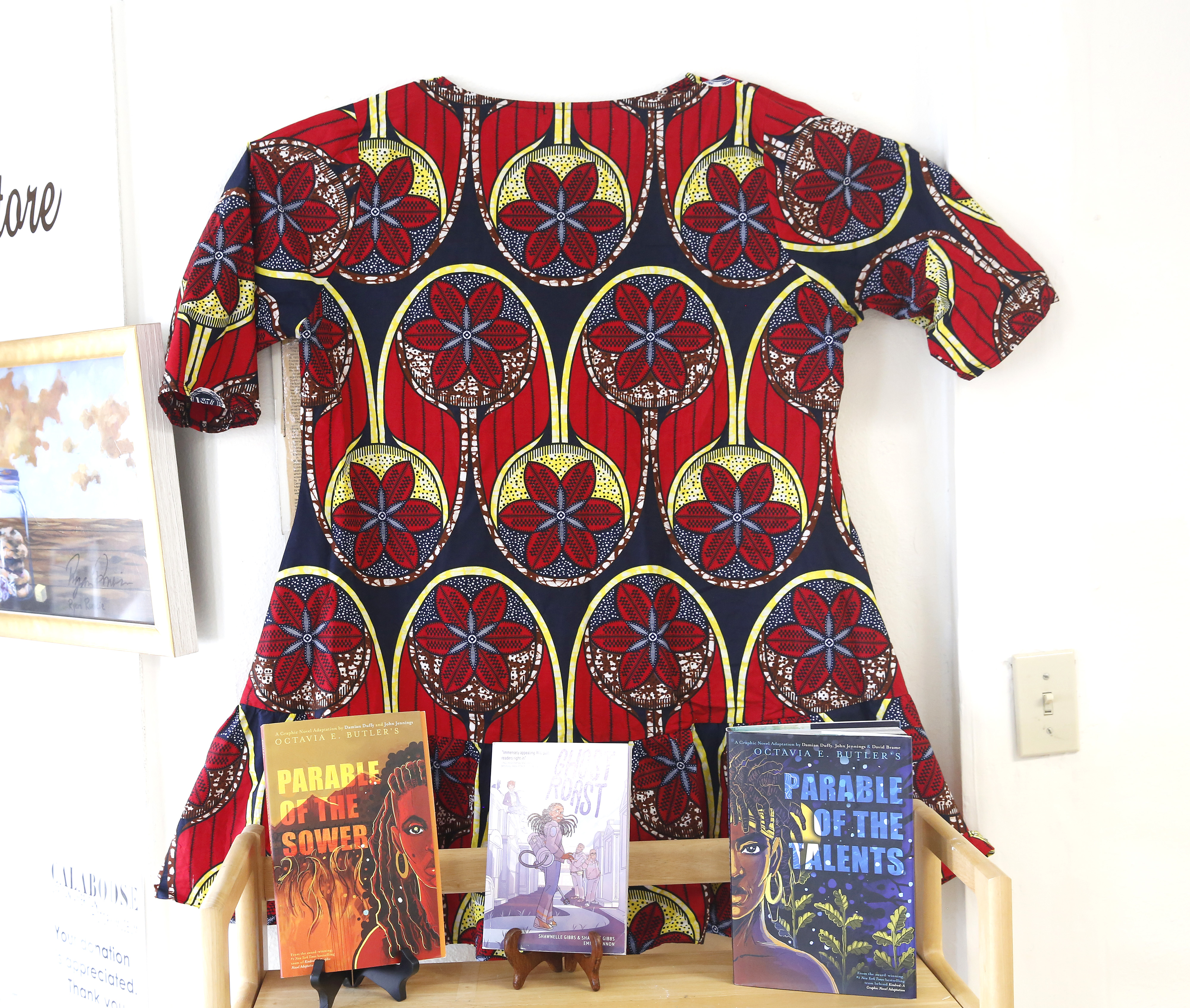
Hines discussed early musical influences on Afrofuturism such as Sun Ra and George Clinton, up to more recent performers such as Missy Elliot and Janelle Monáe. She also mentioned author Octavia Butler and the movie “Black Panther” as major influences on the movement. She curated the Afrofuturism exhibit at the Calaboose African American History Museum during February.
Hines also discussed major figures outside of the entertainment industry, such as Black astronaut Mae Jemison, the first African American woman in space, who flew on the Space Shuttle “Endeavour.”
Casey Nichols, an assistant professor of history at Texas State University, and Charles Ramey, educational development consultant with the Ramey Group, were also part of the Afrofuturist panel.
Deirdre Williams, Asst. Professor of Practice Curriculum And Instruction at Texas State, recommended several children’s picture books by African American authors. She also read Caldecott Honor Book “Tar Beach” by Faith Ringgold from cover to cover.
Williams discussed how the dream of the “Tar Beach” narrator to fly out of her borough in Manhattan reinforced the theme of traveling beyond familiar surroundings to overcome limitations.
“People going to different boroughs in New York is a huge deal,” said Williams about the narrator of “Tar Beach.” “She was seeing the future as a liberation.”