We’ve come a long way when it comes to understanding bird migration.
Today, it is generally accepted that many birds head south for the winter and then return north come spring with its warmer weather.
But such understanding only came quite recently, all things considered. Research in the twentieth century established that vast numbers of birds fly directly north across the Gulf of Mexico, leaving the Yucatan Peninsula and streaming straight north across the water to reach the Gulf Coast of the United States.
It is roughly an 18-hour flight for the average songbird.
This is common knowledge today, but such was not always the case. As late as the 1680s, English scientists had some very unique, and totally erroneous, theories about bird migration.
Some experts believed birds flew to the moon for the winter.
It was even possible for some scientists in the 1700s to hypothesize that swallows would dive into marshes and spend winter hibernating under the mud.
It was not until the 1800s that ornithologists finally agreed that large numbers of birds in the Northern Hemisphere would breed and raise their young during summer in northern latitudes and then spend the non-breeding winter in warmer, more temperate climates, migrating between summer and winter ranges each spring and fall.
So we have come a long way when it comes to understanding bird migration. We don’t look for swallows in the mud these days. But we do enjoy the return of lots of birds this time of year.
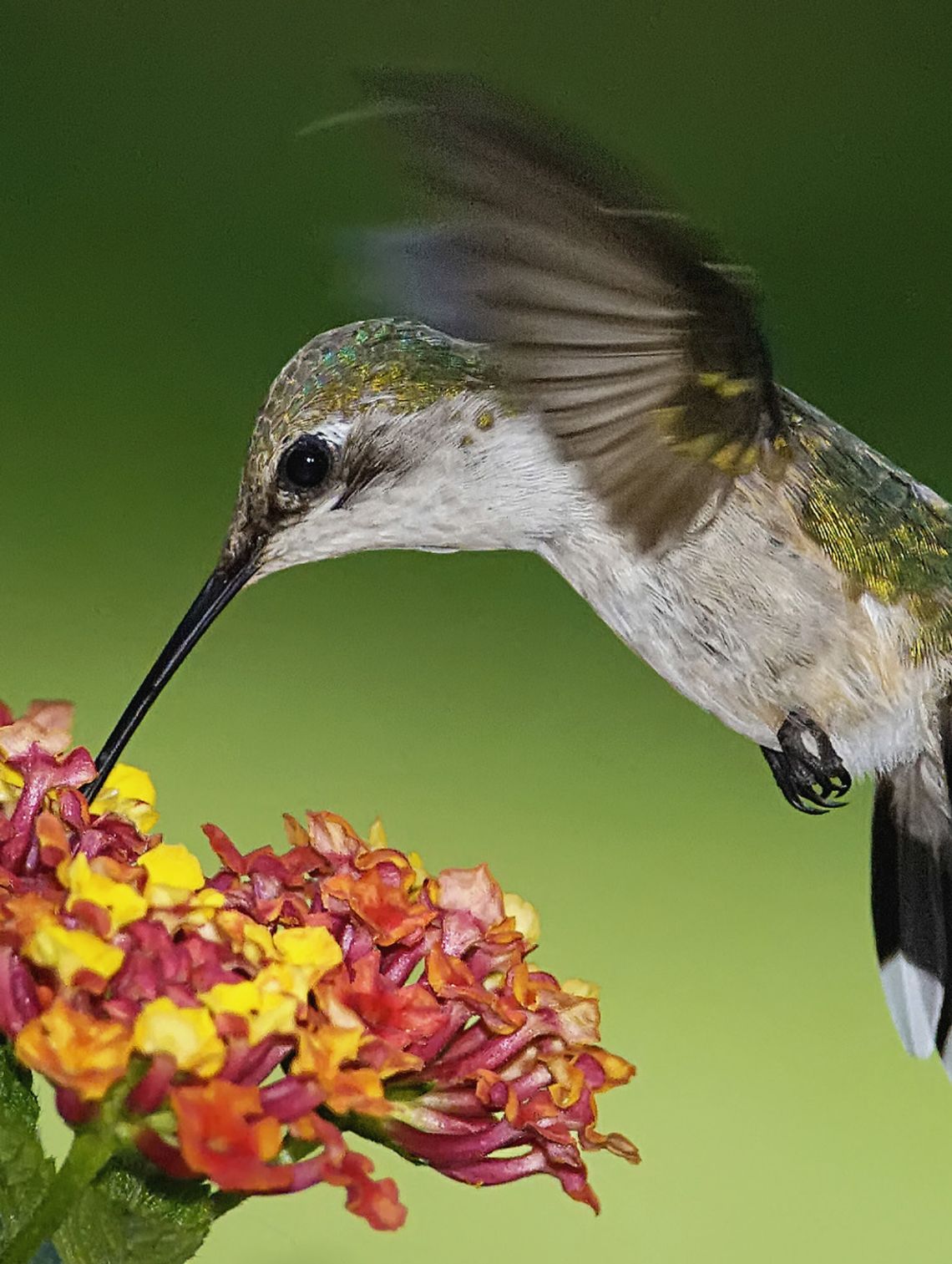
Hello there, hummingbirds. Howdy, goldencheeked warblers. Nice to see you again, all you wonderful purple martins.
Welcome back to all of you!