TEXAS STATE UNIVERSITY
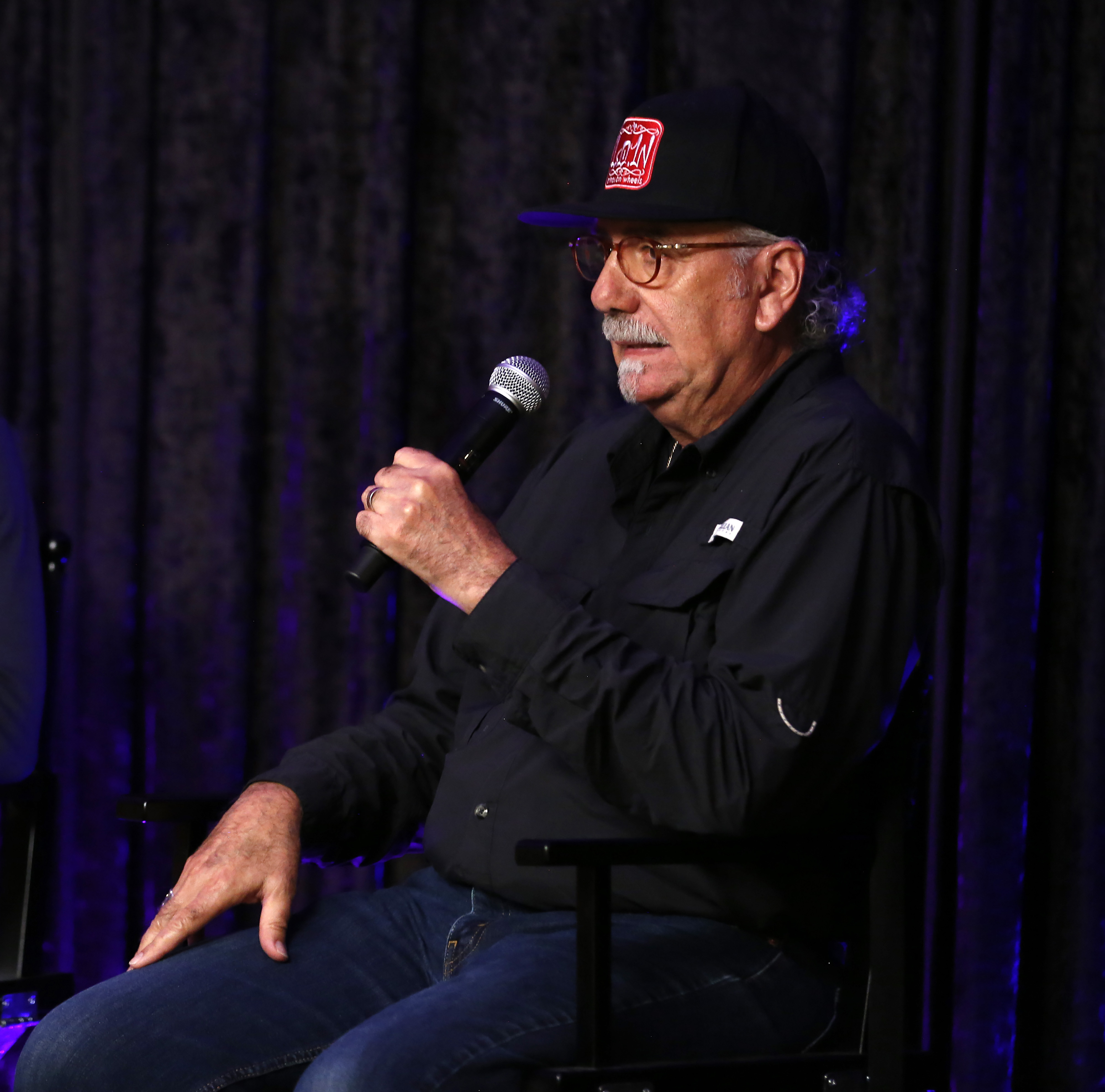
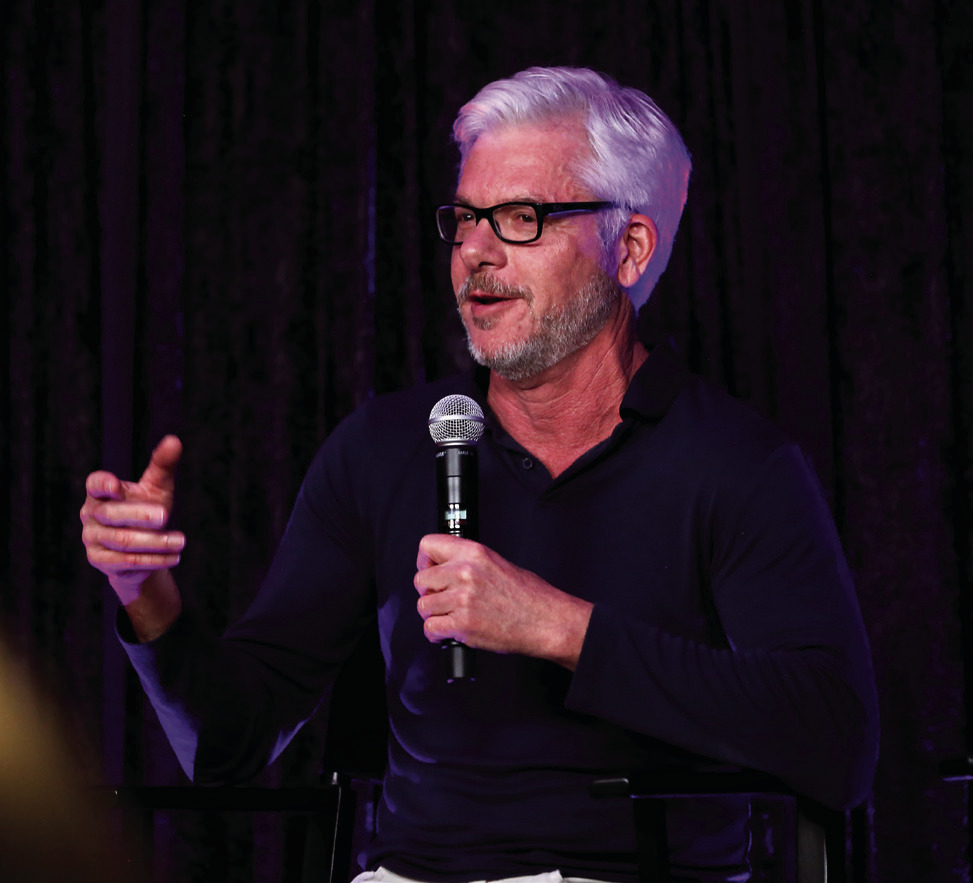
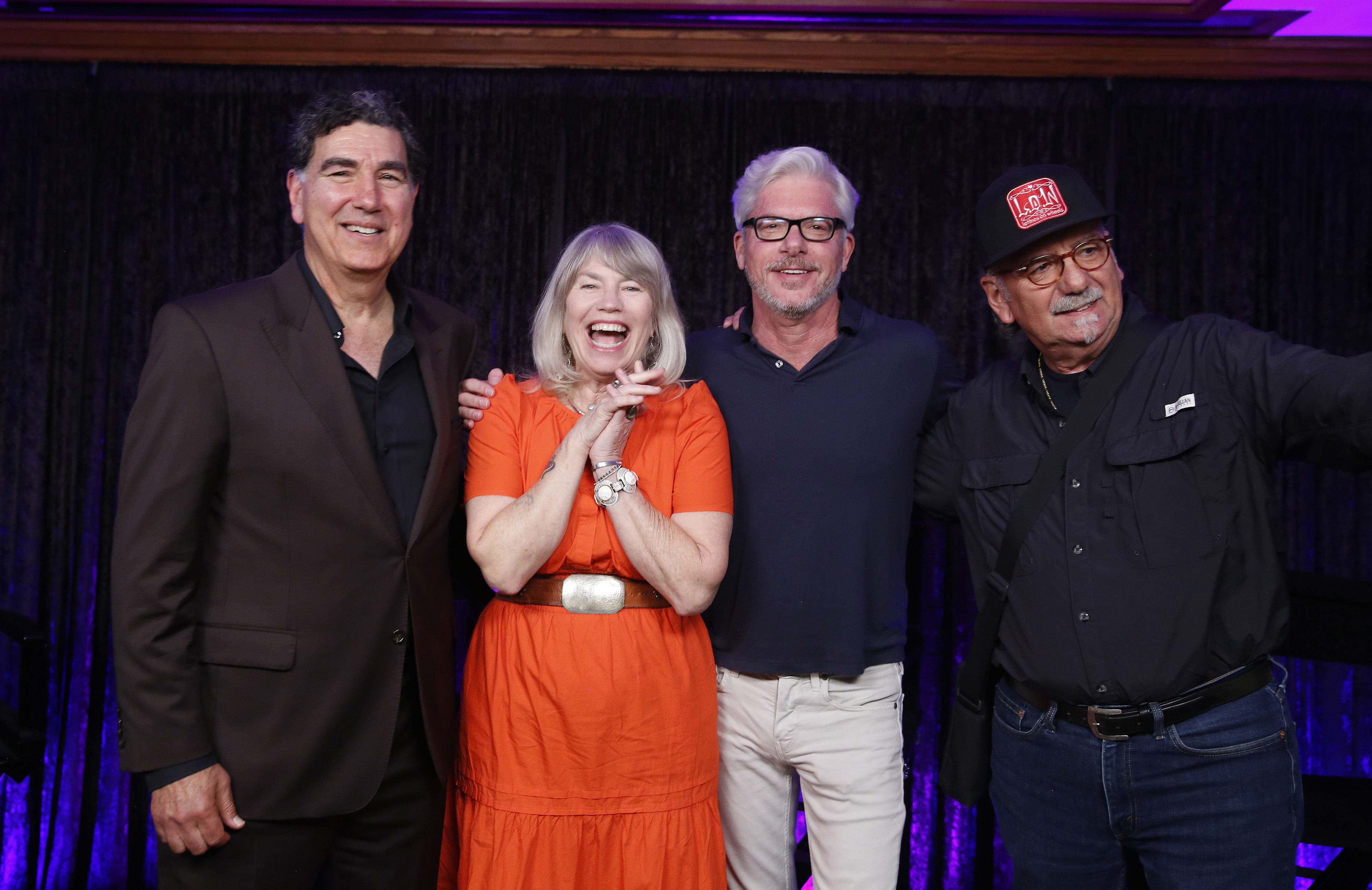
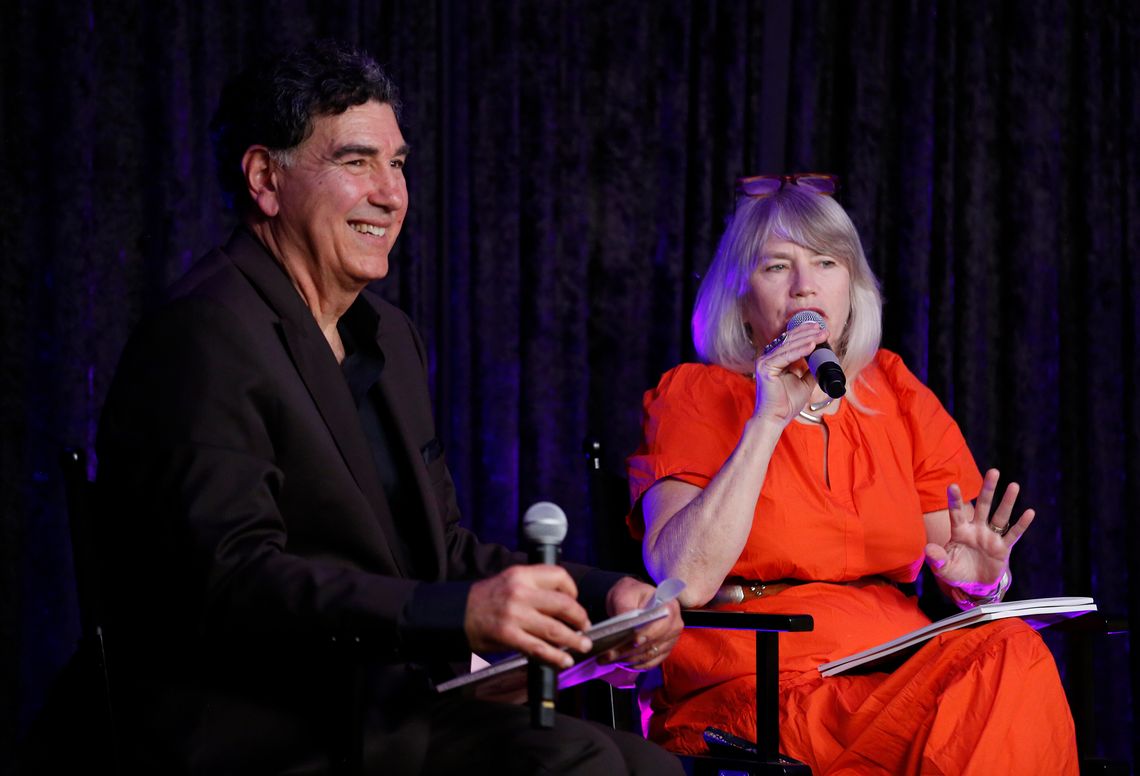
The Wittliff Collections hosted a panel discussion about the life and legacy of Tejano singer Selena on March 31, the anniversary of her death in 1995. Titled “La Ofrenda: Selena in Art and Pop Culture,” the panel was moderated by Wittliff’s Texas Music Curator Hector Saldaña, and featured artist Marc Burckhardt, artist/musician Sara Hickman and photographer Al Rendon.
The panel focused on Selena’s enduring impact on artists across all media and on her growing cultural appeal, which is also the focus of The Wittliff Collections’ exhibition “The Selena Effect,” on display until Dec. 6.
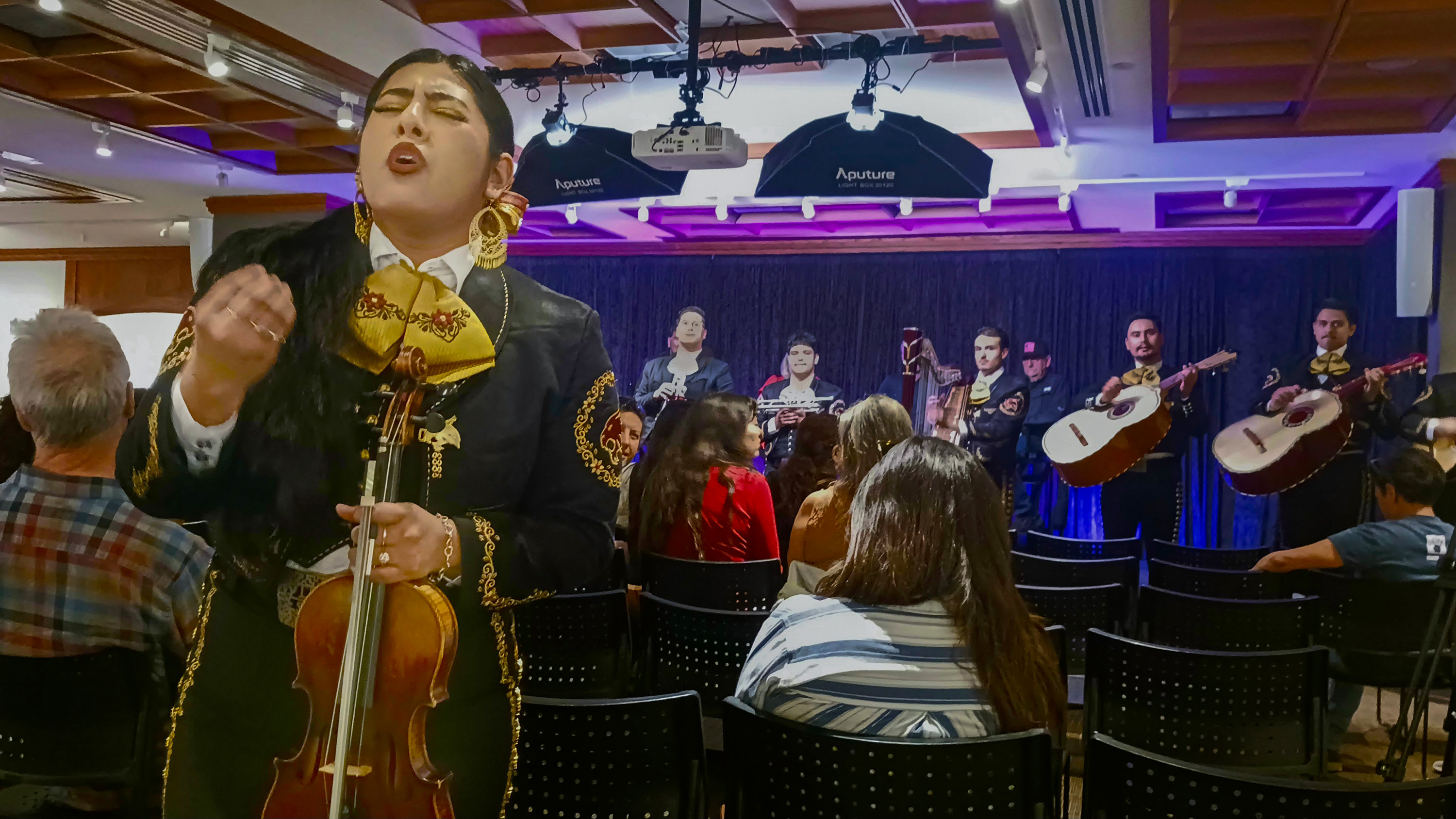
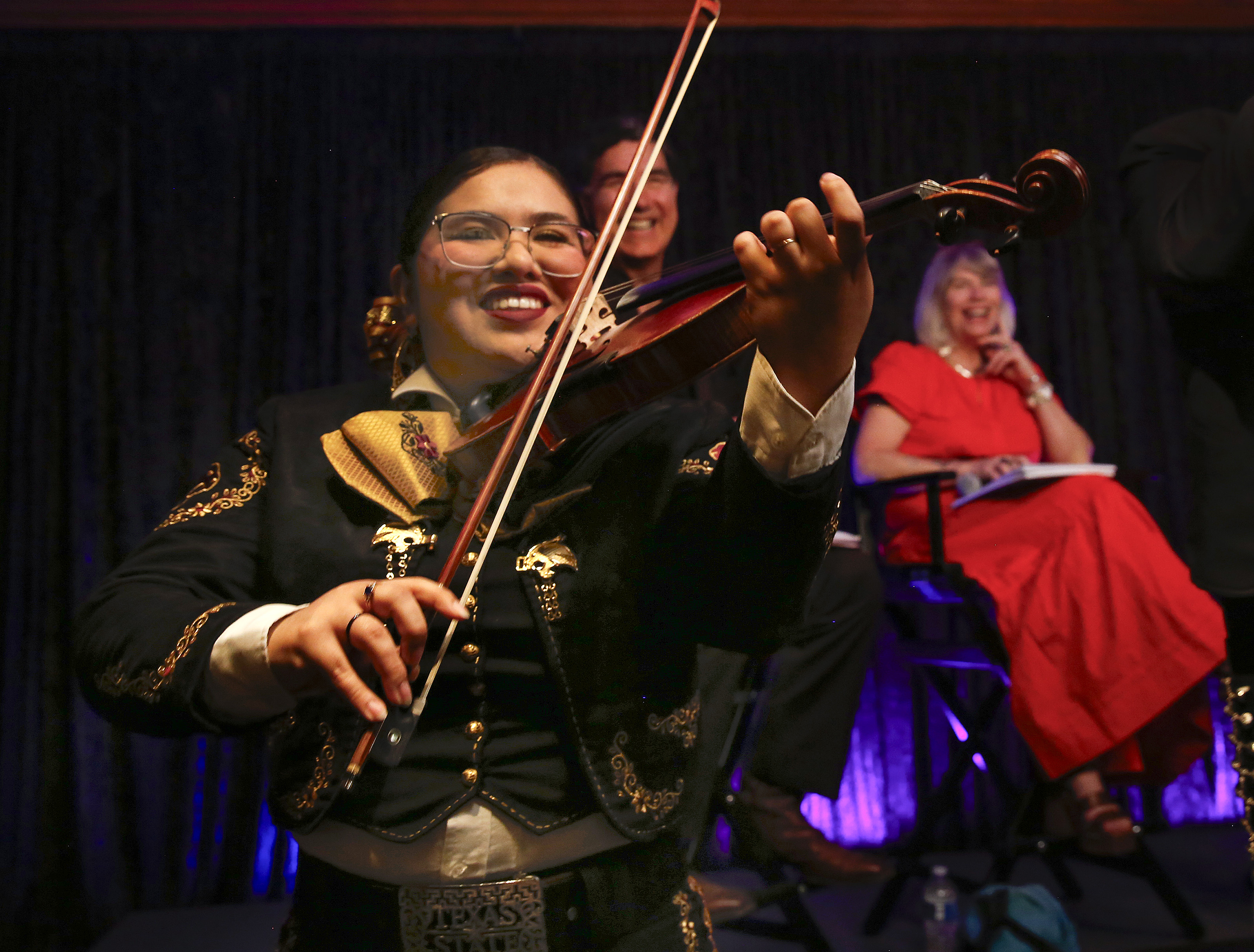
Following a performance from Texas State’s Mariachi Nueva Generación group to kick off the presentation, moderator Saldaña offered his thoughts on the magnitude of Selena’s legacy.
“She’s grown way beyond just simply the “Tejano Queen” and “The Queen of Tejano Music,” Saldaña said. “For my generation, it would have been something like Marilyn Monroe or James Dean. Today in the modern vernacular, it would be like she’s achieved the status of Tupac Shakur or Princess Diana.”
Saldaña said that he chose the participants on the “La Ofrenda” panel to offer their unique perspectives on the Selena legacy.
“Artists and photographers help us to understand the world in a way much different than someone like myself, who’s a journalist, or a historian or a curator or an academic would explain it,” he said. “They offer beauty and a view from a different angle.”
Burckhardt, a former Texas State instructor and internationally known artist, said that Selena’s continuing popularity and the close connection her fans continue to feel with her music determined his decision to depict her as “Saint Selena” for his iconic Texas Monthly magazine cover.
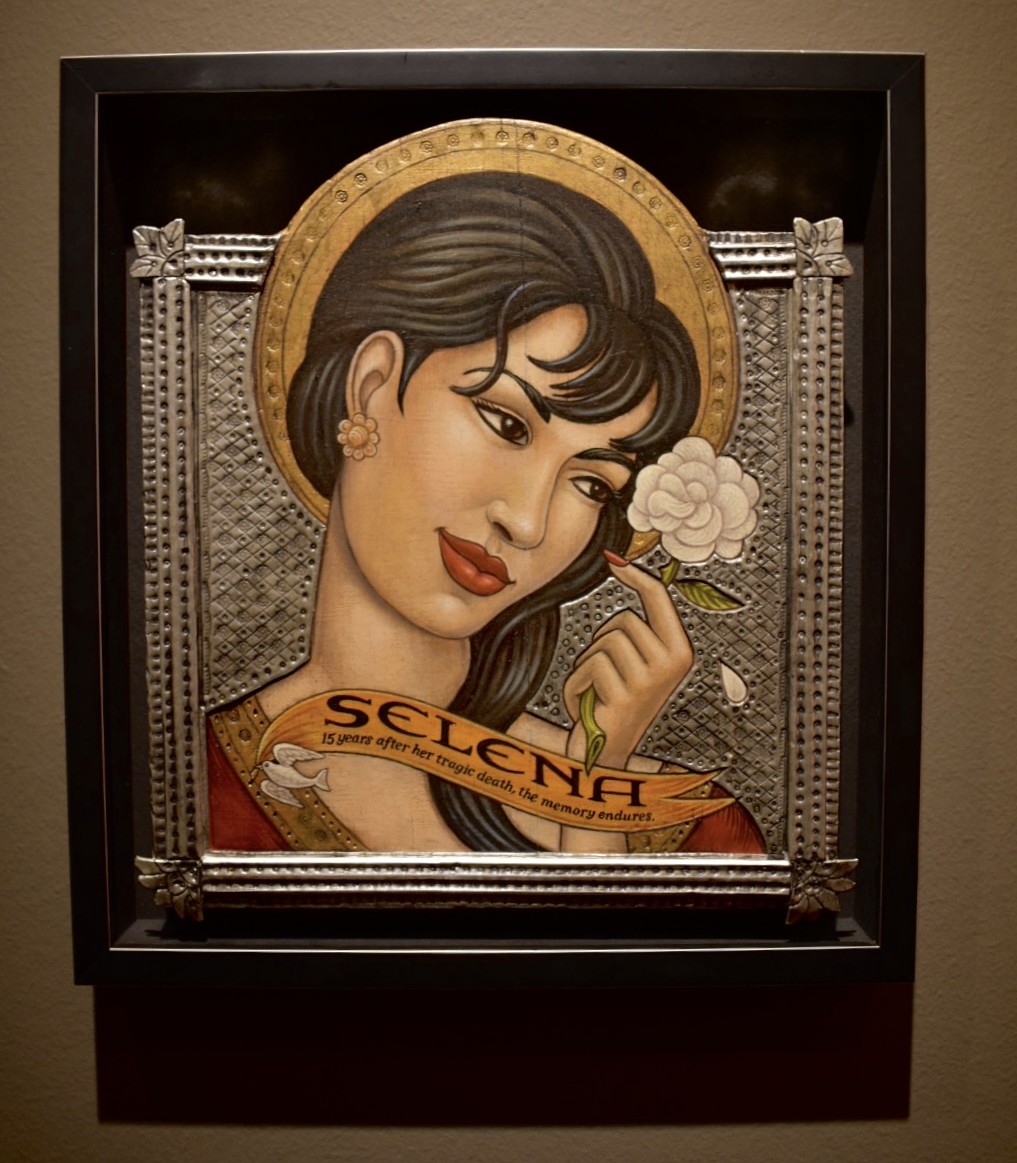
“She really was, and remains, an icon, so I wanted to embody that,” Burckhardt said.”I wanted to give it a specific sense of a Saint. … From what I understood, she was a very humble and approachable person, somebody whose legend is really iconic.
“I chose to use the white rose as a symbol of her and her purity,” he said. “And there’s a petal falling off it, to symbolize her loss.”
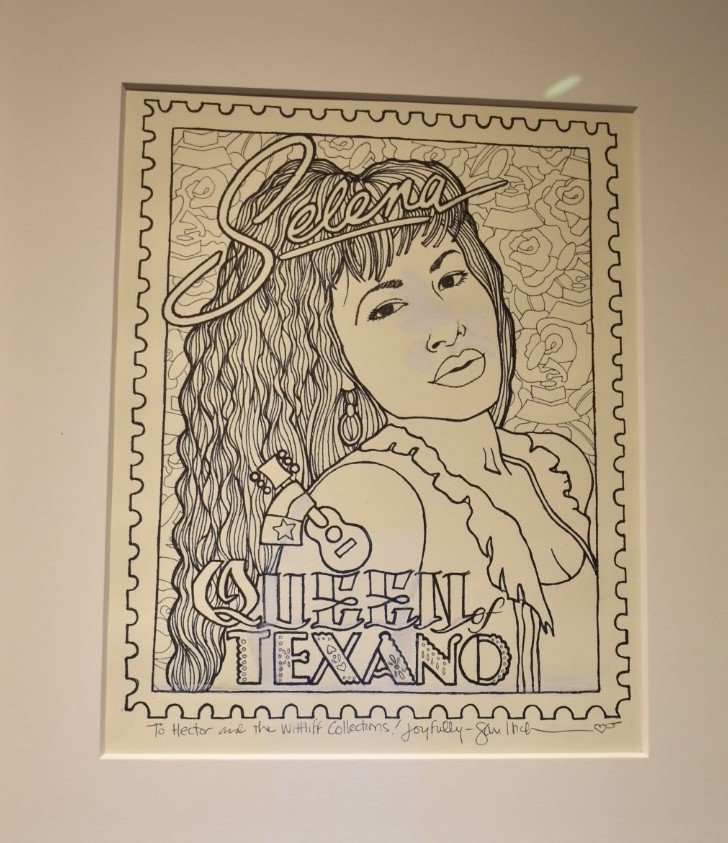
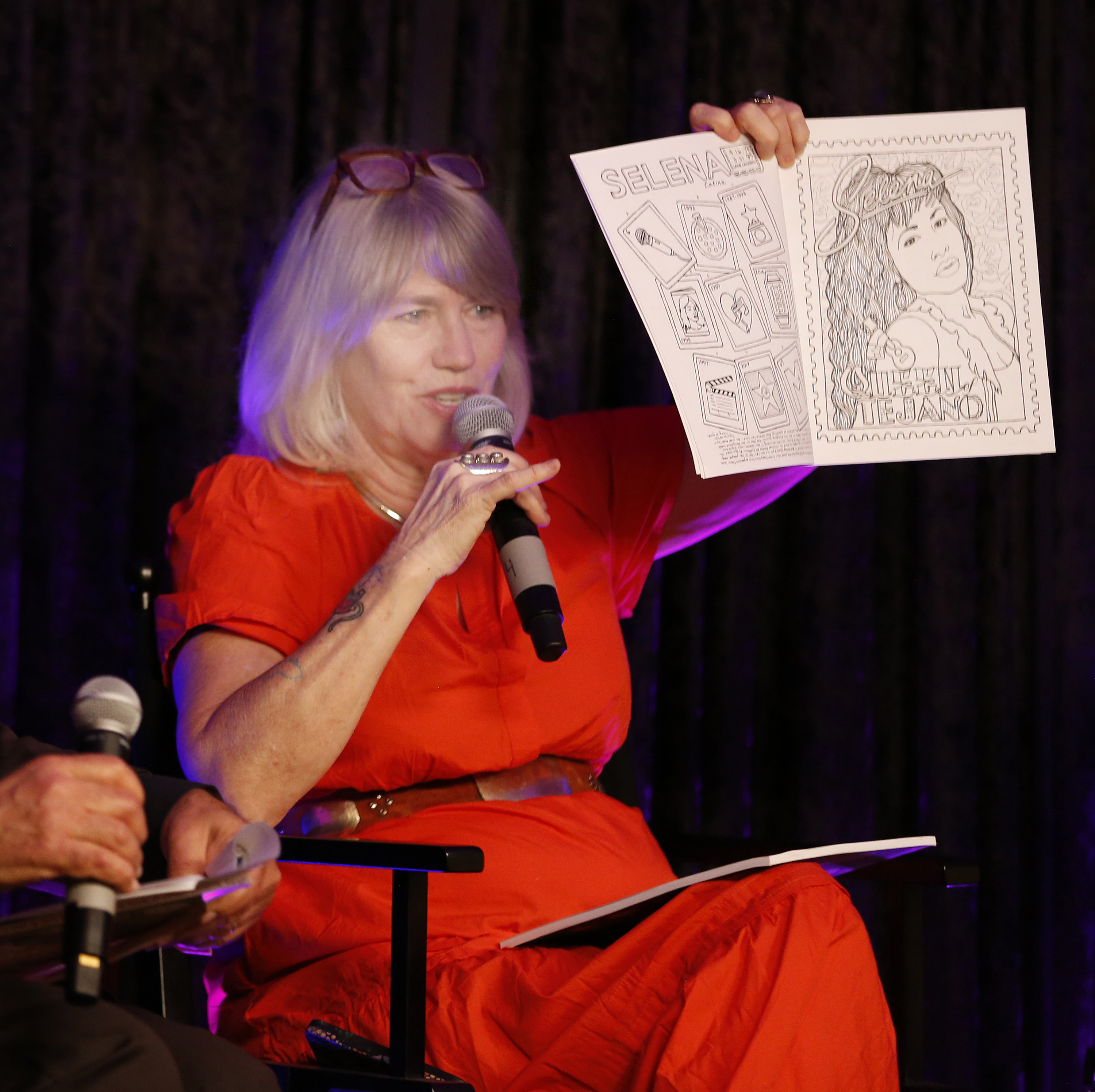
Sara Hickman, a renowned musician who also creates visual art, included a drawing of Selena in her “Texas Musicians Coloring Book,” an image now on display in the Wittliff gallery. Hickman said that Selena’s sincerity and genuine love for her fans inspired her to create a stamp for her coloring book.
“We always put the most beloved people we have on stamps,” Hickman said. “She just seemed like such an approachable, kind, funny, down-to-earth person. She was curvy, she was a real woman. She wasn’t trying to hide that. So she inspired me in that way, just be yourself, be who you are, regardless of your background or your ethnicity.”
Photographer Al Rendon met Selena early in her career and documented her rise to fame with many of the most famous Selena photographs.
“She was just like everybody else, she was very humble,” Rendon said. “I think that she would be overwhelmed with the attention … she would probably be embarrassed by how popular she is,” Rendon said.
Rendon said that although Selena came across as an approachable person, she was a natural in front of the camera. “One of the things that really impressed me about her, at such a young age, she came out of that dressing room just ready to be photographed. I mean, she knew how to pose.”
“Most of these artists, I have to give them some direction. I have to come up with a concept or something to fall back on. I was just amazed. I just shot roll after roll, because she just kept moving and moving and changing outfits.”
Redon says that he continues to receive many requests for Selena photos, and gets a tremendous response when he posts a Selena photo on social media.
“Her fandom has sort of become a cult of religion that follows Selena,” Rendon said. Even in the early days of photographing her performances, he knew that Selena had star quality.
“It was like, this kid’s going to be huge,” he said. “It was just so obvious to me that she really had a certain talent, a certain knack, a certain way of presenting herself that the audience really related to. And if you went to any of her shows, like, God, the audience, the men and the women, just all adored her.”
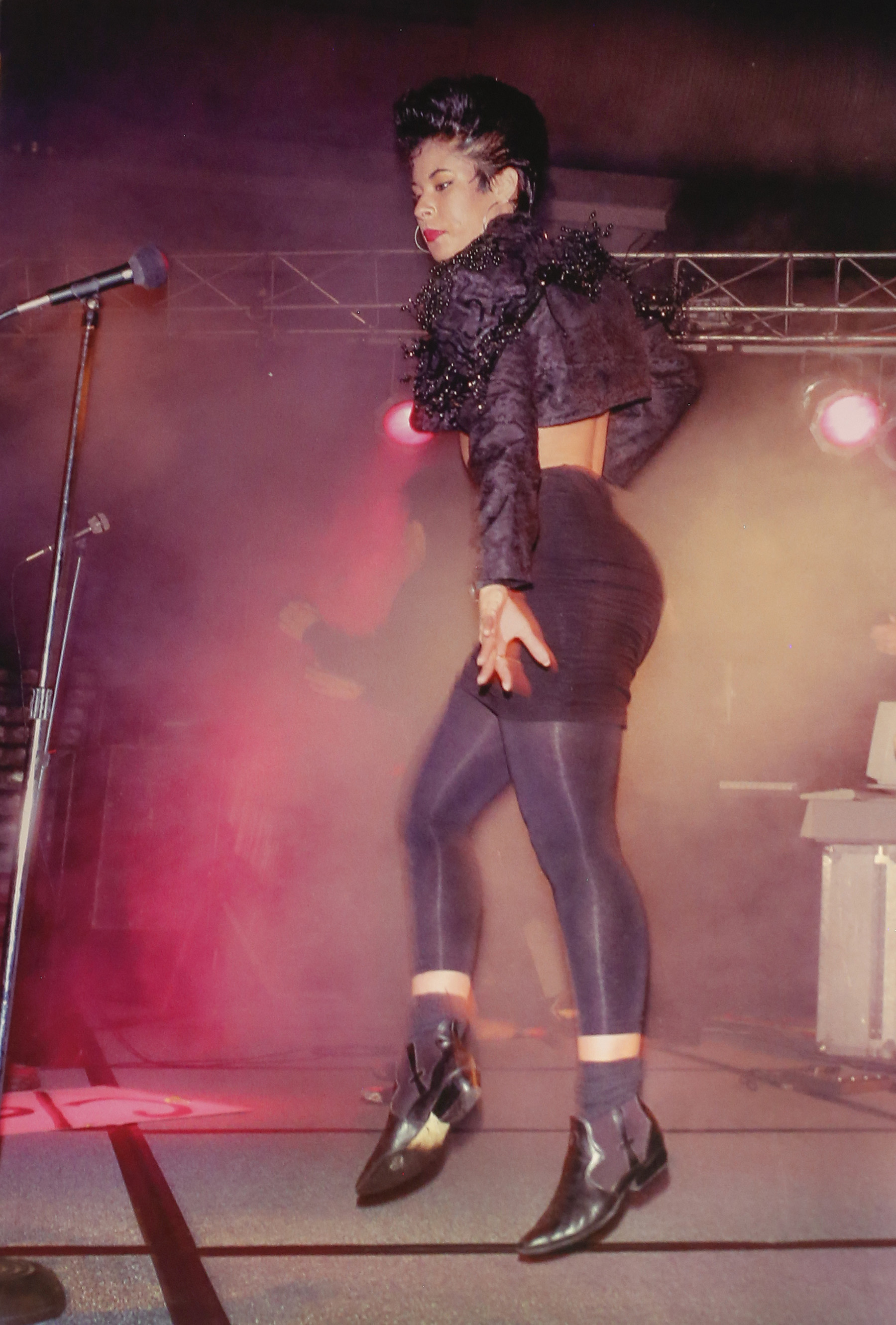
A rare Rendon photo of a teenage Selena performing at The University of the Incarnate Word in San Antonio on display next to the panelists inspired an audience member to reminisce about seeing Selena live around the time the was taken.
San Marcos resident Valeria Salinas-Allen, who attended the panel discussion with her daughter, said that the photo of Selena at Incarnate Word reminded her of a Selena performance she saw in San Marcos at Cuauhtemoc Hall in the late 80s or early 90s. Selena was one of several performers at the Hall that day, she said.
Though Salinas-Allen had not yet become the avid fan she is today, she said her eight-year-old sister was transfixed by Selena’s performance at Cuauhtemoc Hall. Soon her entire family became dedicated fans. “Selena is like a religion for us,” Salinas- Allen said. “She’s like family.”