Now that summer is upon us, our plants may begin to show signs of stress in the form of disease. One of the common problems is black mold on the leaves and stems of our landscape plants. This sooty-looking mold is a dark fungus. A plant owner’s reaction is to treat the mold and kill the fungi, but this is not the original cause of the problem. The process begins with insects who come to eat the sap produced by the plant. Not all insects partake of this sap. This is done primarily by scale insects. The scale insects are small insects of the order Hemiptera, suborder Sternorrhyncha. There are about 8,000 described species of scale insects. The insects that belong to this suborder include scale, aphids, leafhoppers, mealybugs, psyllids, soft scales, lerps, cottony scales and whiteflies insects.
Scale insects are different from other insects in that they only have their six legs when they are in the “crawler” stage. These tiny (pinhead size) insects are very active but have no protective shell. When they reach maturity, they lose their legs or antennae and replace it with a protective shell. These shells may be hard or soft as seen shown in the adjacent photos.
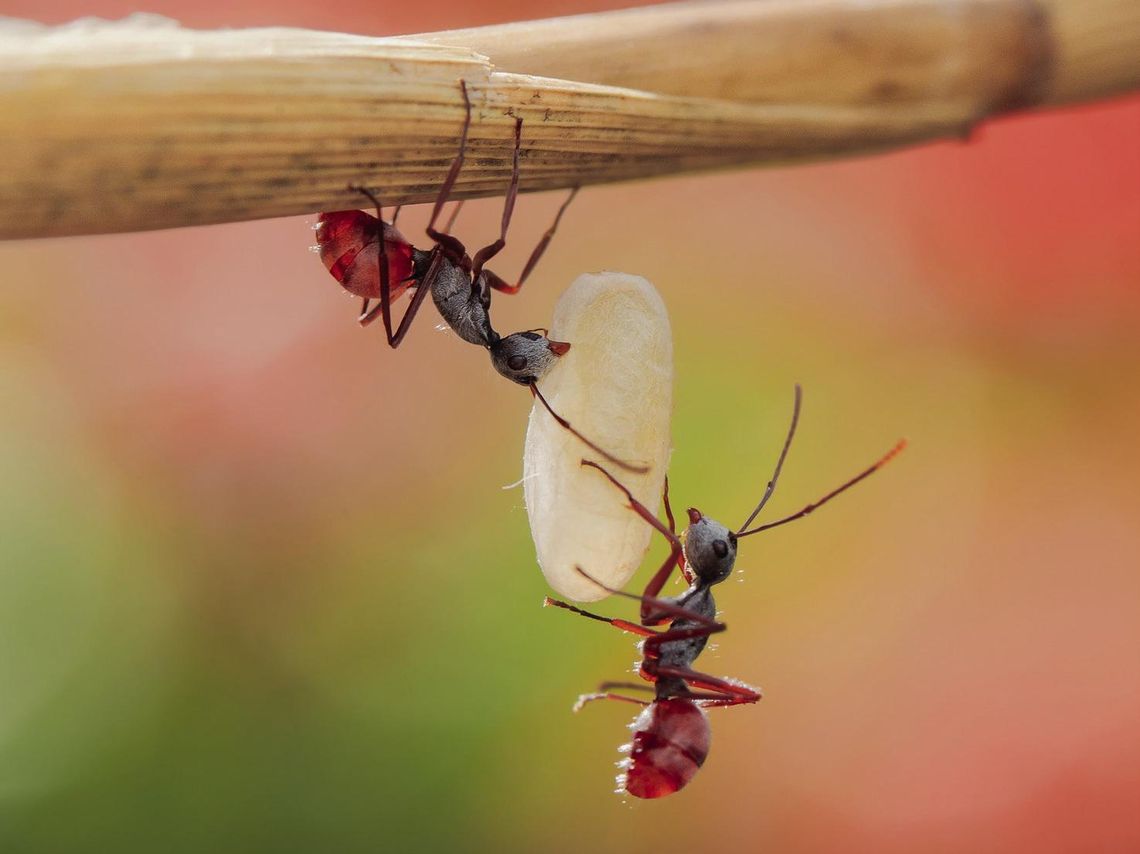
When the scale insect is on a plant that produces sap, it uses its long, needle-like mouth part to pierce the plant and suck up the sap. While feeding, the insect excretes a sticky material called Honeydew (nothing to do with the melon). When this Honeydew is on the foliage and branches, it can attract other types of insects who desire this sweet food such as ants, bees, wasps and flies. Ants, in fact, can be a clue that this process is going on as they will protect Honeydew insects from their natural predators.